





What's Happening?
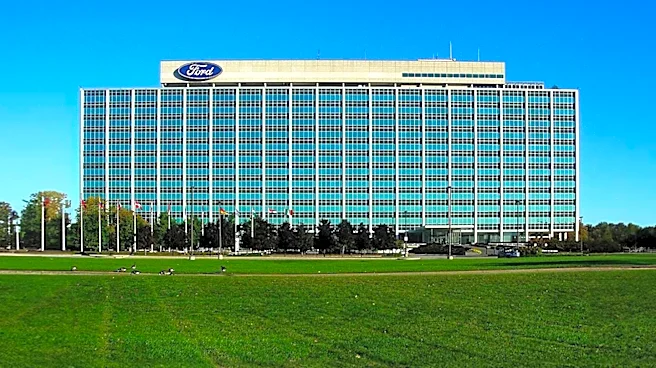
Ford has rehired over 350 veteran engineers, referred to internally as 'gray beard' engineers, to address issues with its AI-driven quality control systems. This move comes after the company faced significant challenges with its AI systems, which were
not delivering the desired results in manufacturing quality. The rehired engineers are tasked with identifying failure points before parts reach the production floor and training younger staff. Ford has also established a 40-person software quality assurance team and implemented over 100,000 AI-powered automated tests to improve quality control. This initiative is part of Ford's broader strategy to enhance its manufacturing processes and reduce costs associated with warranty claims and recalls.
Why It's Important?
The decision to rehire experienced engineers highlights the limitations of relying solely on AI for quality control in manufacturing. Ford's experience underscores the importance of human expertise in complementing automated systems, particularly in complex industries like automotive manufacturing. The move also reflects a broader industry trend where companies are reassessing the balance between automation and human labor. This development could influence other manufacturers to reconsider their reliance on AI and potentially lead to a reevaluation of workforce strategies across various sectors. The success of Ford's approach may set a precedent for integrating human expertise with AI to achieve optimal results.
What's Next?
Ford's strategy of combining human expertise with AI is expected to continue as the company aims to maintain its improved standing in quality surveys. The automaker's recent achievement of the top spot in JD Power's 2026 Initial Quality Survey suggests that this approach is yielding positive results. Other companies may follow suit, leading to a potential shift in how AI is utilized in manufacturing. Ford's ongoing efforts to refine its AI systems and train new staff with the help of veteran engineers will likely be closely watched by industry peers. The long-term impact of this strategy on Ford's operational efficiency and cost savings remains to be seen.