







What's Happening?
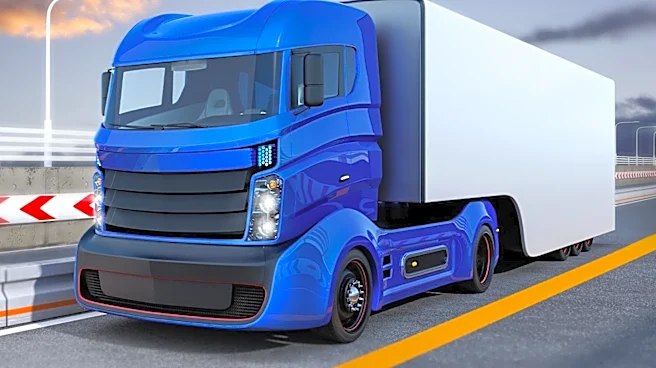
Self-driving truck companies Aurora Innovation and Kodiak AI have been granted a five-year federal exemption by the Federal Motor Carrier Safety Administration. This exemption allows them to replace traditional roadside warning devices, such as reflective
warning triangles, with cab-mounted warning beacons. Previously, federal regulations mandated that human drivers place warning triangles within 10 minutes if a truck encountered mechanical trouble and had to pull over. This requirement posed a significant challenge for autonomous trucks, which lack a human driver to perform this task. Aurora had even taken federal safety regulators to court over this requirement, and while their initial request for an exemption was denied, they escalated the fight to the District of Columbia Court of Appeals. The new exemption removes a major regulatory hurdle for the commercialization of self-driving trucks in the U.S., enabling these vehicles to comply with safety standards in an autonomous manner.
Why It's Important?
This federal exemption is a critical development for the autonomous trucking industry, as it clears a significant roadblock to commercialization. The previous regulation, designed for human-operated vehicles, was impractical for self-driving trucks, hindering their deployment and scalability. By allowing cab-mounted warning beacons, the Federal Motor Carrier Safety Administration acknowledges the unique operational aspects of autonomous vehicles and provides a viable safety solution. This decision is expected to accelerate the adoption of self-driving trucks, potentially leading to increased efficiency in freight movement and enhanced road safety by eliminating the need for a human to exit the vehicle in potentially dangerous roadside situations. Daniel Goff, vice president of external affairs at Kodiak AI, stated that the exemption will help usher in an autonomous era of freight movement, saving lives and improving goods delivery efficiency. Gerardo Interiano, Aurora’s head of government relations and public affairs, highlighted the government's recognition of the economic and community benefits of autonomous trucking.
What's Next?
With this exemption in place, Aurora Innovation and Kodiak AI, along with other self-driving truck developers, are expected to accelerate their efforts in deploying autonomous freight services across U.S. roads. The five-year duration of the exemption provides a stable regulatory environment for these companies to expand their operations and further refine their technology. The industry will likely monitor the effectiveness and safety performance of these cab-mounted warning beacons, which could potentially lead to them becoming standard equipment across the entire trucking industry, including human-driven vehicles, if proven superior. This regulatory clarity may also encourage further investment and innovation in the autonomous trucking sector, as companies can now proceed with greater certainty regarding operational compliance. The focus will now shift towards the practical implementation and scaling of these autonomous trucking solutions, with an emphasis on demonstrating their safety and efficiency in real-world scenarios.
Beyond the Headlines
The federal exemption for self-driving trucks signifies a broader shift in regulatory approaches to emerging technologies. It demonstrates a willingness by government agencies to adapt existing regulations to accommodate technological advancements, rather than allowing outdated rules to impede progress. This decision could set a precedent for other autonomous vehicle applications, potentially influencing regulations for robotaxis and other forms of driverless transportation. The move also highlights the ongoing debate between traditional safety protocols and innovative technological solutions, emphasizing the need for flexible regulatory frameworks that prioritize safety while fostering innovation. Furthermore, the adoption of autonomous trucking could have significant long-term implications for the logistics and supply chain industries, potentially leading to reduced labor costs, improved delivery times, and a more resilient transportation network. The ethical considerations surrounding job displacement for human truck drivers and the integration of autonomous vehicles into existing infrastructure will also continue to be important discussions as this technology advances.