




What's Happening?
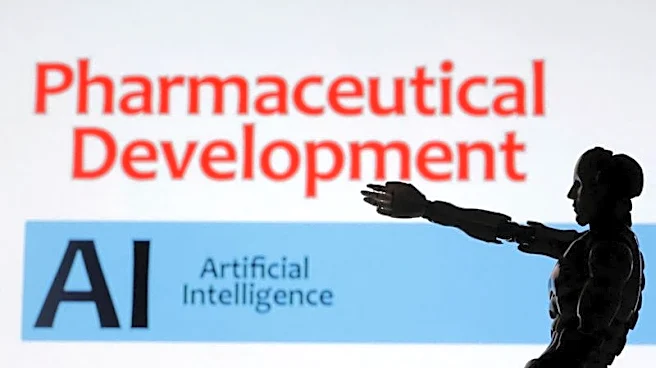
Novartis Global Drug Development (GDD) is actively recruiting a Director, AI Systems Engineering & Evaluation. This senior AI leadership role is crucial for designing, building, and productionizing the foundational AI systems used across Novartis's drug
development processes. The director will be responsible for creating reusable agentic architectures, agent-accessible tools and knowledge systems, evaluation harnesses, Physical AI patterns, and AgentOps pipelines. The goal is to accelerate the deployment of AI systems into production, ensure their reliable operation, and ultimately shorten drug development timelines and time-to-patient. Key responsibilities include developing a roadmap for shared AI foundations, architecting reusable agentic components, defining evaluation frameworks for reliability and hallucination risk, establishing red teaming for agentic systems, and setting production-readiness criteria and monitoring for AI systems in development. The role also involves defining MLOps, LLMOps, and AgentOps practices and integrating data and knowledge foundations for trustworthy decision-making.
Why It's Important?
This strategic hire by Novartis underscores the pharmaceutical industry's increasing reliance on artificial intelligence to revolutionize drug discovery and development. By investing in a dedicated AI systems engineering and evaluation director, Novartis aims to streamline its R&D processes, potentially leading to faster identification of drug candidates, more efficient clinical trials, and quicker market access for new therapies. This move could significantly impact the U.S. healthcare landscape by accelerating the availability of innovative medicines for patients. The focus on robust evaluation frameworks, red teaming, and production-readiness criteria highlights a commitment to ethical and reliable AI deployment in a highly regulated environment. This could set a precedent for other pharmaceutical companies, fostering a competitive drive towards advanced AI integration and potentially lowering the costs and risks associated with drug development, ultimately benefiting U.S. consumers and the healthcare system.
What's Next?
The successful candidate will be tasked with immediately developing and executing a roadmap for shared AI foundations within Novartis Global Drug Development. This will involve architecting and prototyping reusable agentic components and establishing comprehensive evaluation frameworks. The integration of these advanced AI systems is expected to lead to a more efficient and accelerated drug development pipeline. Future steps will likely include the continuous refinement of AI models, expansion of AI applications across various stages of drug development, and potential collaborations with external partners to leverage cutting-edge AI research. The emphasis on regulatory-grade auditability and GxP-relevant systems suggests a proactive approach to meeting regulatory standards, which will be critical for the widespread adoption of AI in pharmaceutical manufacturing and clinical applications.
Beyond the Headlines
Novartis's investment in a Director for AI Systems Engineering & Evaluation reflects a broader industry trend towards leveraging AI for complex scientific challenges. This move has significant ethical and legal implications, particularly concerning data privacy, algorithmic bias, and the accountability of AI in critical decision-making processes within drug development. The establishment of red teaming and adversarial testing protocols indicates a proactive stance on identifying and mitigating potential risks, such as prompt injection and tool misuse, which are crucial for maintaining public trust and regulatory compliance. Furthermore, the focus on 'Physical AI patterns' and 'digital twins' suggests a long-term vision for creating highly sophisticated, simulated environments for drug testing, potentially reducing the need for animal testing and accelerating the translation of research into clinical practice. This strategic direction could redefine the standards for innovation and safety in the pharmaceutical sector.