





What's Happening?
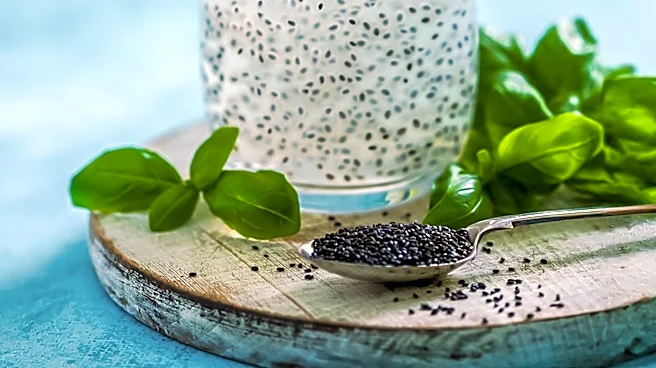
Chia seeds are being recognized as a highly effective and versatile food for supporting gut health, primarily due to their rich fiber content. A single ounce of chia seeds contains nearly 10 grams of dietary fiber, providing approximately one-third of the recommended
daily intake for adults. These seeds contain both soluble and insoluble fiber, which are crucial for digestive function. Soluble fiber forms a gel when mixed with liquid, slowing digestion, softening stool, and helping to regulate blood sugar. Insoluble fiber adds bulk to stool, acting like a 'scrub brush' to facilitate waste movement through the digestive tract. Beyond fiber, chia seeds also serve as prebiotics, feeding beneficial gut bacteria that produce short-chain fatty acids essential for maintaining a strong gut barrier. For individuals with Irritable Bowel Syndrome (IBS), chia seeds are considered low FODMAP in standard serving sizes and provide anti-inflammatory omega-3 fatty acids, making them a potentially safer option than other high-fiber foods. However, proper preparation, particularly soaking the seeds, and adequate hydration are crucial to prevent potential side effects like bloating, gas, or constipation.
Why It's Important?
The emphasis on chia seeds as a practical and affordable solution for gut health is significant given that most Americans do not meet their daily fiber recommendations. This widespread fiber deficiency contributes to various health issues, including cardiovascular disease and colorectal cancer. By highlighting an accessible food like chia seeds, the information empowers individuals to make simple, impactful dietary changes. The detailed explanation of how chia seeds function—from providing both types of fiber to acting as prebiotics and offering anti-inflammatory benefits—educates consumers on the science behind gut health. Furthermore, the guidance on proper preparation and gradual introduction is critical for safe and effective integration into diets, especially for those with sensitive digestive systems like IBS. This practical approach helps demystify wellness trends, offering evidence-based advice that can lead to tangible improvements in digestive well-being and overall health.
What's Next?
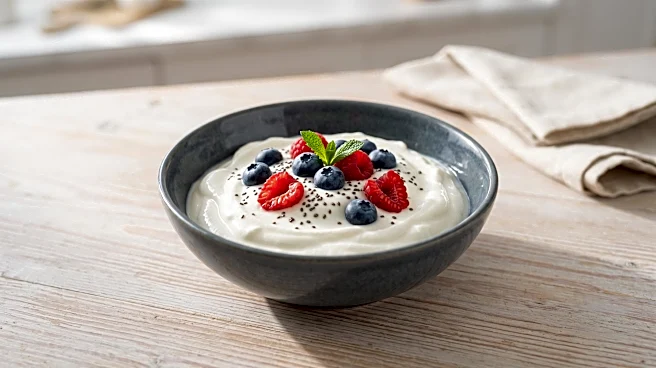
Consumers are encouraged to gradually incorporate chia seeds into their diets, starting with small amounts and ensuring sufficient hydration. The recommendation to soak chia seeds before consumption is a key practical step to maximize benefits and minimize potential discomfort. For those with IBS or other digestive sensitivities, a cautious approach, potentially consulting with a healthcare provider, is advised. The continued promotion of chia seeds as a 'superfood' is likely, given their nutritional profile and ease of use in various recipes, from puddings to smoothies and baked goods. As awareness of gut health grows, more products incorporating chia seeds may emerge, and educational efforts will likely continue to focus on the importance of diverse fiber sources and proper dietary practices for maintaining a healthy microbiome.
Beyond the Headlines
The discussion around chia seeds and gut health underscores a broader shift towards understanding the microbiome's central role in human health. This focus moves beyond simply treating symptoms to fostering a healthy internal ecosystem. The emphasis on 'simple is best' in wellness, as highlighted by the source, reflects a growing consumer desire for straightforward, evidence-backed health practices amidst an often-overwhelming landscape of conflicting health advice. The affordability and long shelf life of chia seeds also touch upon issues of food accessibility and sustainable nutrition, making them a valuable component of a healthy diet for a wider demographic. This trend towards natural, whole-food solutions for health challenges represents a significant cultural and dietary shift, potentially reducing reliance on pharmaceutical interventions for common digestive complaints and promoting a more proactive approach to wellness.