








What's Happening?
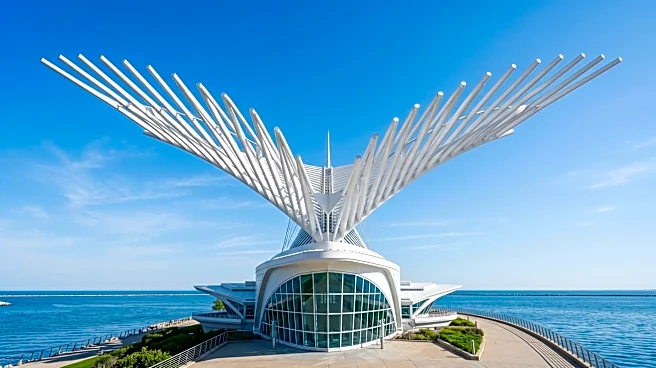
The Milwaukee Art Museum has received a $10 million gift from the Windhover Foundation and members of the Quadracci family, including Joel and Caran Quadracci and Drs. Kathryn Quadracci Flores and Raja Flores. This substantial donation will establish
the Quadracci Pavilion Preservation Endowment Fund, dedicated to the long-term care and maintenance of the Quadracci Pavilion. The Pavilion, designed by Santiago Calatrava, is celebrating its 25th anniversary on Milwaukee's lakefront. The endowment will ensure the preservation of its distinctive architectural features, such as the Burke Brise Soleil's white 'wings,' the glass atrium of Windhover Hall, and the unique floor-to-ceiling windows overlooking Lake Michigan. Joel Quadracci, a trustee of the Windhover Foundation and chairman & CEO of Quad, emphasized the family's commitment to maintaining the building's extraordinary status for future generations, while Dr. Kathryn Quadracci, president of the Windhover Foundation and CEO of QuadMed, highlighted its role as a symbol of Milwaukee's ambition.
Why It's Important?
This $10 million endowment is critically important for the Milwaukee Art Museum and the city of Milwaukee. The Quadracci Pavilion is not only a significant architectural landmark, being Santiago Calatrava's first building in the United States, but also a powerful symbol of Milwaukee's cultural identity and civic ambition. The long-term preservation fund ensures that this iconic structure, which attracts visitors and serves as a community gathering place, will be maintained for generations to come. This commitment safeguards a vital cultural resource that contributes to the city's aesthetic appeal and its reputation as a hub for art and architecture. Without such dedicated funding, the specialized maintenance required for a building of this unique design could become a significant financial burden, potentially impacting the museum's ability to fulfill its broader mission of art education and community engagement. The gift also reinforces the importance of philanthropic support in sustaining major cultural institutions.
What's Next?
The newly established Quadracci Pavilion Preservation Endowment Fund will provide annual income specifically for the maintenance and repair of the Pavilion's architectural features. This ensures that the Burke Brise Soleil, Windhover Hall's glass atrium, and other distinctive elements will receive ongoing care. The Milwaukee Art Museum will likely develop a detailed long-term preservation plan, utilizing the endowment to address the unique needs of Calatrava's design. This commitment will allow the museum to continue offering dynamic art experiences and serving as a community hub without the constant pressure of fundraising for structural upkeep. The Quadracci family and the Windhover Foundation have a history of supporting the Pavilion's maintenance, and this endowment solidifies that legacy, ensuring the building remains a source of inspiration and a welcoming place for art, learning, and gathering for future generations.
Beyond the Headlines
Beyond the immediate financial security it provides, this endowment highlights the increasing recognition of modern architectural masterpieces as cultural heritage requiring dedicated, long-term preservation strategies. Unlike older, more traditional structures, contemporary buildings often feature innovative materials and complex engineering that demand specialized and costly maintenance. The Quadracci Pavilion, with its kinetic elements and unique design, exemplifies this challenge. This gift sets a precedent for how major philanthropic entities can ensure the longevity of such significant modern landmarks. It also underscores the deep connection between a city's identity and its architectural icons, demonstrating how private funding can play a crucial role in maintaining public cultural assets. The ongoing care of such a prominent structure can also inspire further investment in urban aesthetics and cultural infrastructure, fostering a sense of pride and community engagement.