


What's Happening?
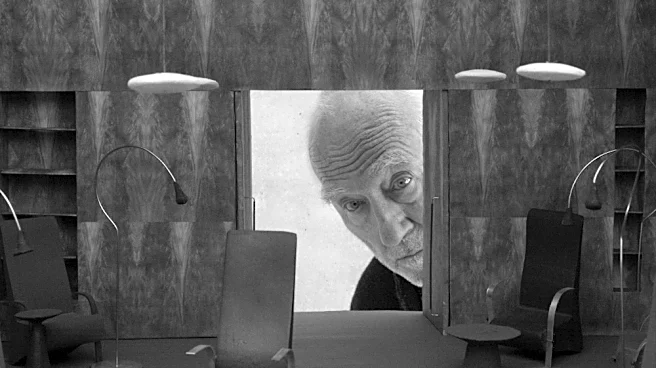
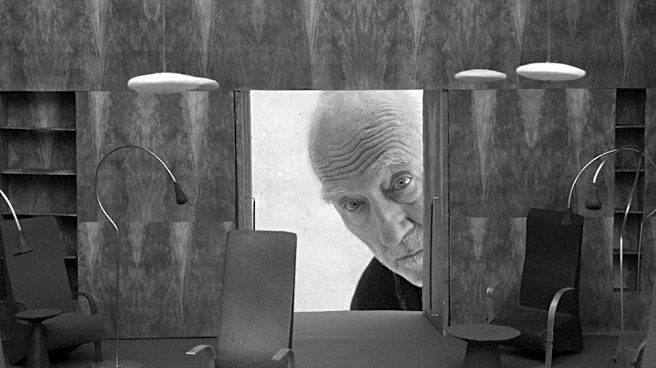
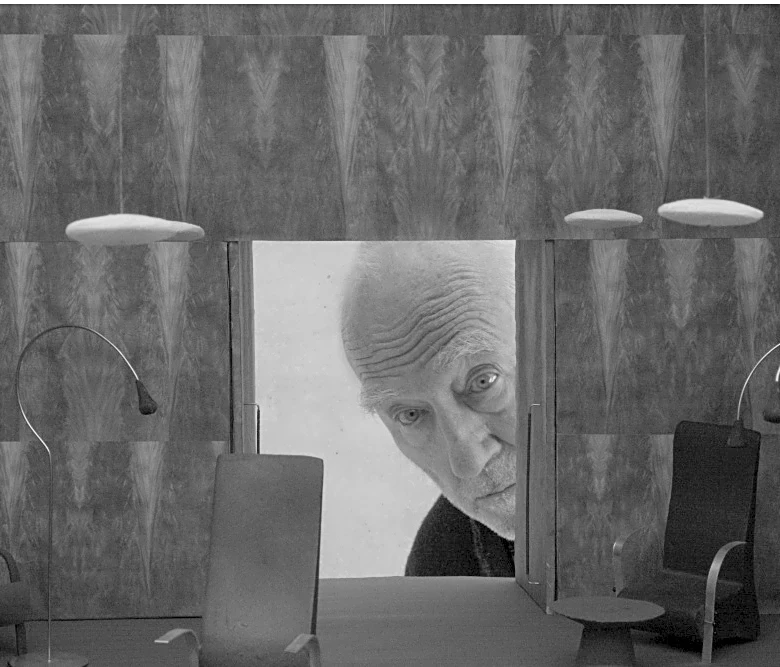
Filmmaker Wim Wenders has addressed and clarified comments he made earlier this year at the Berlin Film Festival regarding the role of filmmakers in politics. Speaking at a press conference for his new movie, 'From inside out – The architecture of Peter
Zumthor,' at the Venice Film Festival, Wenders reiterated his stance. He explained that his previous statement, which was widely interpreted as suggesting filmmakers should avoid politics, was misunderstood. Wenders clarified that he believes filmmakers operate with empathy, a quality he contrasts with the mindset of politicians. He emphasized that filmmakers aim to change things, while politicians often seek to confirm the status quo. His original comments in Berlin had caused a significant stir, particularly given the political climate surrounding the festival, including the ongoing conflict in Gaza, and led to the festival issuing multiple statements.
Why It's Important?
Wenders' clarification is important because it highlights an ongoing debate within the arts community about the intersection of artistic expression and political engagement. His distinction between the 'mindset of empathetic people' (filmmakers) and the 'mindset of politicians' suggests a belief that art can serve as a 'counterweight' or 'antidote' to conventional politics, rather than being directly political in a partisan sense. This perspective can influence how artists perceive their social responsibility and the impact of their work. The initial controversy at the Berlin Film Festival underscored the heightened sensitivity around political statements in cultural events, especially in times of global conflict. Wenders' re-explanation could encourage a more nuanced discussion about the nature of political art and the role of artists in societal discourse, moving beyond a simplistic 'in or out of politics' dichotomy.
What's Next?
The clarification by Wim Wenders at the Venice Film Festival is likely to continue the discussion within the film industry and broader cultural circles regarding the role of artists in political discourse. While Wenders has attempted to reframe his original comments, the debate about whether filmmakers should directly engage in political activism or focus on empathetic storytelling as a form of political commentary will persist. Future film festivals and artistic events may see continued scrutiny of statements made by prominent figures, especially concerning sensitive global issues. This incident could also prompt other filmmakers and artists to articulate their own views on the relationship between their craft and political engagement, potentially leading to more nuanced discussions and diverse approaches to socially conscious art.
Beyond the Headlines
Wim Wenders' comments and subsequent clarification delve into the deeper philosophical question of art's purpose in society. By contrasting the empathetic nature of filmmaking with the pragmatic, often less empathetic, nature of politics, Wenders suggests that art's true political power lies not in direct advocacy but in its capacity to foster understanding and provoke thought. This perspective challenges the notion that all art must be overtly political to be meaningful, instead proposing that art can influence societal change through its unique ability to connect with human emotion and experience. The controversy also highlights the media's role in interpreting and framing artists' statements, demonstrating how a nuanced message can be simplified or misconstrued, leading to widespread debate and requiring further explanation. This incident underscores the delicate balance artists must strike between expressing their views and navigating public perception, especially in a highly polarized world.