






What's Happening?
Throughout the week, agricultural commodity markets showed a dynamic shift from early technical bounces to cautious, sideways-to-lower trading. This was driven by weather relief and pre-report positioning. Early in the week, corn and soybeans experienced
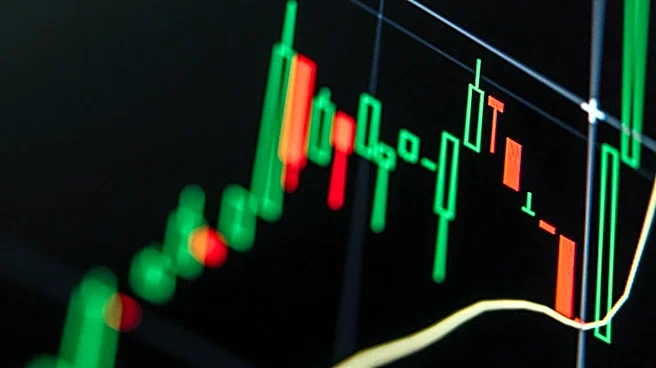
a key technical reversal upward, influenced by fund money flows and technical support levels. By Tuesday, incoming Midwest rainfall removed immediate weather premiums, causing futures to pull back. Market movements were heavily dictated by technical chart patterns, with corn and soybeans testing key Fibonacci retracement levels. Long-term bullish drivers include prospective trade tariff agreements with China, severe Black Sea export reductions from Ukraine, and El Niño climate threats. Broader macroeconomic factors, such as a surge in gold/silver and a drop in the Russian ruble, also influenced market movements.
Why It's Important?
The developments in the agricultural commodity markets are significant as they reflect the complex interplay between technical market factors and broader economic and environmental influences. The potential trade agreements with China and the impact of El Niño could have substantial effects on global agricultural production and trade. The market's response to these factors can influence pricing and risk management strategies for producers. Additionally, the macroeconomic factors, such as currency fluctuations and proposed U.S. sanctions, highlight the interconnectedness of global markets and their potential impact on U.S. agricultural exports and pricing.
What's Next?
As the week progresses toward the release of the USDA Crop Production and WASDE reports, market participants will closely monitor these reports for updates on yield projections and global supply-demand balances. The defense of technical chart levels will remain a key focus, with potential implications for future pricing trends. Stakeholders will also watch for developments in trade negotiations and climate patterns, which could further influence market dynamics. The ongoing assessment of macroeconomic conditions, including currency movements and geopolitical tensions, will continue to play a role in shaping market expectations and strategies.