






What's Happening?
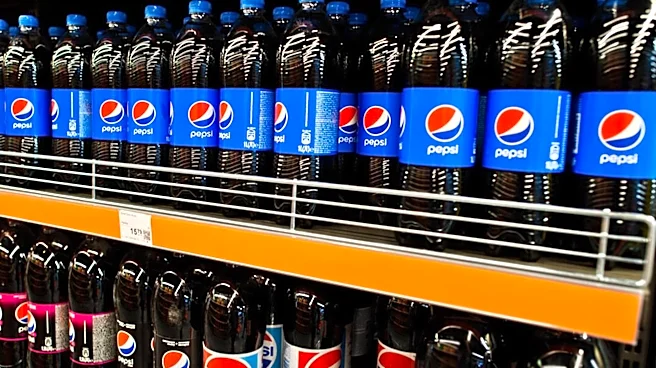
PepsiCo has informed an Indian court that a continued ban on the 'energy drink' label by the Food Safety and Standards Authority of India (FSSAI) could lead to its top products being out of stock in the country within two months. The Delhi High Court
has not yet allowed PepsiCo to resume manufacturing drinks with the barred label. This situation places PepsiCo at a disadvantage, as competitors like Red Bull have already secured court relief last month, permitting them to continue production. PepsiCo and other affected companies are currently limited to selling their existing inventories that carry the now-prohibited label.
Why It's Important?
This development is critical for PepsiCo's operations and market presence in India, a significant and growing market for beverages. A two-month stock depletion could result in substantial financial losses, disruption of supply chains, and a loss of market share to competitors who are not facing similar restrictions. The inconsistency in regulatory enforcement, where some companies receive relief while others do not, creates an uneven playing field and raises questions about fair competition. For consumers, a shortage of PepsiCo's energy drinks could limit choices and potentially drive them towards alternative brands. This situation also highlights the broader challenges multinational corporations face in navigating diverse and sometimes unpredictable regulatory environments in international markets.
What's Next?
PepsiCo will likely continue its legal efforts in the Indian court system to challenge the ban on the 'energy drink' label and seek permission to resume manufacturing. The company's immediate focus will be on managing its existing stock and mitigating the impact of potential shortages. The outcome of these legal proceedings will be crucial in determining PepsiCo's future operational capacity and market strategy in India. The Food Safety and Standards Authority of India, along with other regulatory bodies, may face increased scrutiny regarding the consistency and justification of their labeling policies, especially in light of the disparate treatment of companies within the same industry.
Beyond the Headlines
This incident underscores the complex interplay between corporate interests, public health regulations, and legal frameworks in a globalized economy. While regulatory bodies aim to protect consumers through clear labeling standards, the implementation of such rules can have significant economic consequences for businesses. The 'energy drink' label ban in India could reflect broader concerns about the health implications of these beverages, prompting a re-evaluation of how such products are marketed and consumed. This situation also highlights the importance of robust legal and lobbying efforts by corporations to influence regulatory outcomes and ensure business continuity in challenging markets. The long-term implications could include a shift in product formulation or marketing strategies by beverage companies to comply with evolving global health standards.