







What's Happening?
Cybernews has conducted an in-depth review of leading stress relief devices for 2026, focusing on their effectiveness, usability, and value. The evaluation considered various technologies, including vagus nerve stimulation devices, wearables, breathing
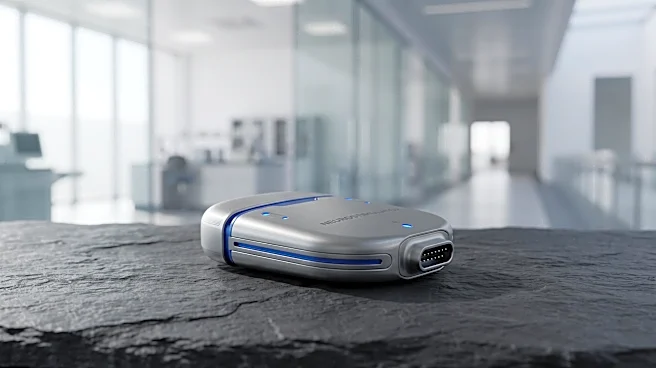
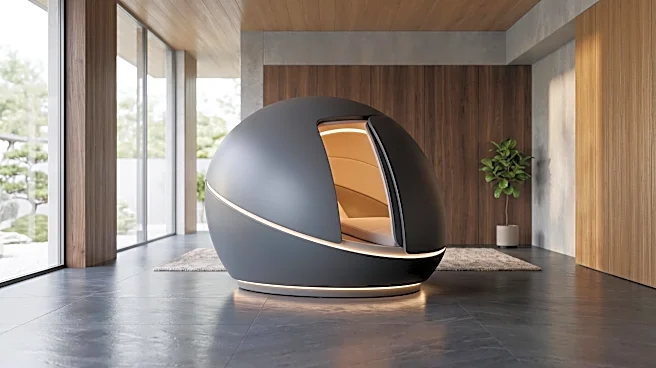
aids, meditation tools, and massagers. The review prioritized product-specific human research, ease of use, comfort, features, safety, and overall value. Among the devices tested, Nuropod was identified as the top overall choice for its phone-free operation and supporting research, despite its higher price point. Other notable devices included Pulsetto FIT for app-guided sessions, Apollo Neuro for wearable vibration, Muse 2 for meditation with biofeedback, Hoolest VeRelief Prime for compact, app-free electrical stimulation, and Sensate 2 for sound-led relaxation breaks. The assessment emphasized practical benefits and realistic expectations over bold claims, urging consumers to look beyond marketing promises.
Why It's Important?
The proliferation of stress relief devices reflects a growing market demand for tools to manage daily stress and improve well-being in the U.S. This evaluation is crucial for consumers navigating a crowded market often filled with unsubstantiated claims. By providing a fact-based assessment, Cybernews helps individuals make informed decisions about products that can genuinely contribute to their mental and physical health. The emphasis on product-specific research and usability highlights the importance of evidence-based solutions in the wellness industry. For manufacturers, this review sets a benchmark for transparency and efficacy, potentially influencing product development towards more scientifically validated and user-friendly designs. The insights also underscore the diverse needs of consumers, as different devices cater to various preferences and routines, from active meditation to passive relaxation.
What's Next?
Consumers are advised to consider their individual needs, budget, and lifestyle when choosing a stress relief device, rather than relying solely on marketing. The review encourages checking contraindications, ongoing costs, and return policies before purchase. Manufacturers in the stress relief device market may face increased pressure to provide robust, product-specific human research to support their claims, moving away from broad 'nervous system' assertions. This trend could lead to more transparent marketing and a greater focus on clinical validation. The continued evolution of wearable technology and biofeedback mechanisms is expected, with future devices potentially offering more personalized and integrated stress management solutions. The market will likely see further innovation in areas like app-guided programs and non-invasive stimulation methods, driven by consumer demand for effective and convenient tools.
Beyond the Headlines
The rise of stress relief devices points to a broader societal trend of seeking technological solutions for mental health and well-being. While these devices offer promising avenues for stress management, they also raise questions about the balance between technology and traditional therapeutic approaches. The review implicitly highlights the ethical responsibility of manufacturers to provide accurate information and avoid overstating benefits, especially given the vulnerability of individuals seeking relief from stress. Furthermore, the distinction between wellness claims and medical treatment is critical, as these devices should not replace professional medical advice for persistent anxiety or other mental health conditions. The integration of such tools into daily routines could foster a more proactive approach to mental wellness, but it also necessitates critical evaluation to ensure that technology genuinely enhances, rather than complicates, personal well-being strategies.