





What's Happening?
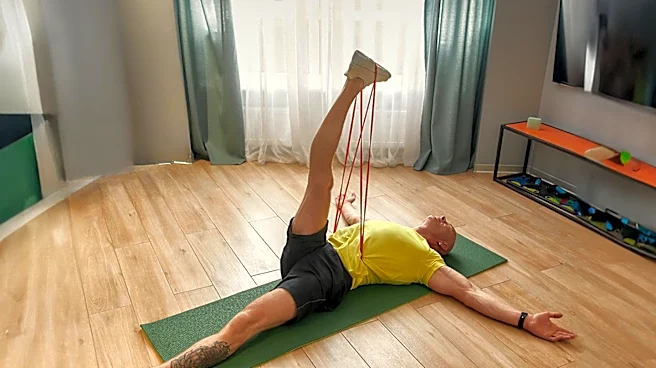
A recent personal experiment highlighted the significant benefits of incorporating a 10-minute mobility routine into daily life. The routine, which included exercises such as cat-cow, standing forward fold, and hip flexor stretch, was performed daily for two
weeks. According to Matthew Cifelli, PT, DPT, CSCS, of Attain Physical Therapy, mobility training focuses on controlled, active movement through a joint’s full range of motion, emphasizing coordinated muscle activation and joint stability. Even short, consistent sessions can boost circulation, lubricate joints, alleviate muscle tension, and improve confidence in daily movement. The individual undertaking the experiment reported feeling more limber and relaxed, with noticeable improvements in flexibility and a reduction in stiffness, particularly in the hips, hamstrings, and lower back, which are common issues for those with sedentary lifestyles.
Why It's Important?
Maintaining good mobility is crucial for overall physical health and independence, especially as individuals age or spend extended periods in sedentary positions. Limited mobility can lead to inefficient movement patterns, increasing the risk of pain, balance issues, and injuries. By contrast, consistent mobility work supports joint health and enables confident movement through daily tasks, from climbing stairs to turning one's head while driving. For the U.S. workforce, where many jobs involve prolonged sitting, integrating short mobility routines can mitigate the negative health impacts of a 'desk body,' potentially reducing healthcare costs associated with musculoskeletal issues and improving productivity by enhancing physical comfort and well-being. This approach offers a low-barrier entry point to fitness, requiring minimal equipment and time, making it accessible to a broad population.
What's Next?
The individual plans to continue the mobility routine, even incorporating it twice daily to further alleviate stiffness and improve posture. The experiment also inspired the adoption of other healthy habits, such as taking regular movement breaks throughout the workday and engaging in longer brisk walks. This suggests a potential shift towards more holistic wellness practices, where small, consistent efforts in one area of fitness can catalyze improvements in others. Health and fitness professionals may increasingly advocate for short, daily mobility sessions as a foundational element of a healthy lifestyle, particularly for those seeking to counteract the effects of sedentary living and prevent age-related mobility decline. The emphasis on consistency and the cumulative benefits of short sessions could lead to broader public health recommendations.
Beyond the Headlines
The success of this 10-minute mobility routine underscores a broader cultural shift towards integrating micro-workouts and 'movement snacks' into busy schedules. This approach challenges the traditional view that significant fitness gains require lengthy, intense gym sessions. It highlights the psychological benefit of starting the day with a positive health habit, which can create momentum for other healthy choices throughout the day. Furthermore, the accessibility of mobility work—requiring no special equipment or location—democratizes fitness, making it attainable for individuals regardless of their socioeconomic status or access to gyms. This could lead to a re-evaluation of public health strategies, emphasizing prevention and self-care through simple, consistent practices rather than solely focusing on reactive treatments for lifestyle-related ailments.