



What's Happening?
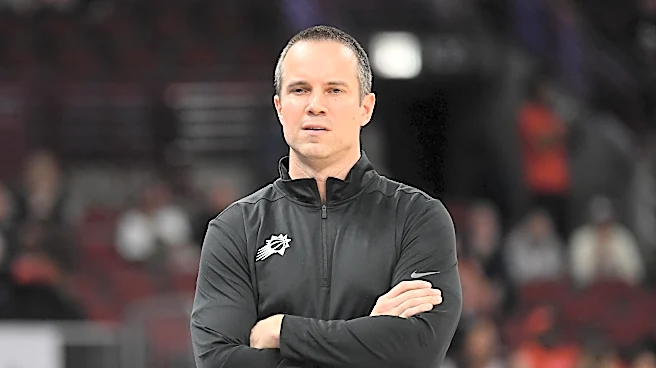
The Phoenix Suns have begun the regular season with a disappointing 1-3 record, leading to increased pressure on second-year coach Jordan Ott to make significant lineup changes. A primary focus of this scrutiny is Jalen Green, who is in his second season with the team
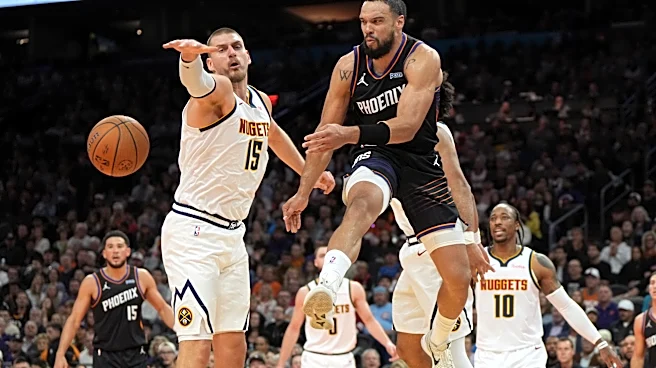
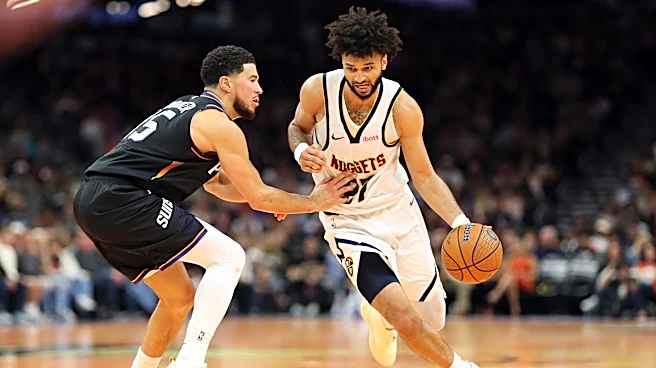
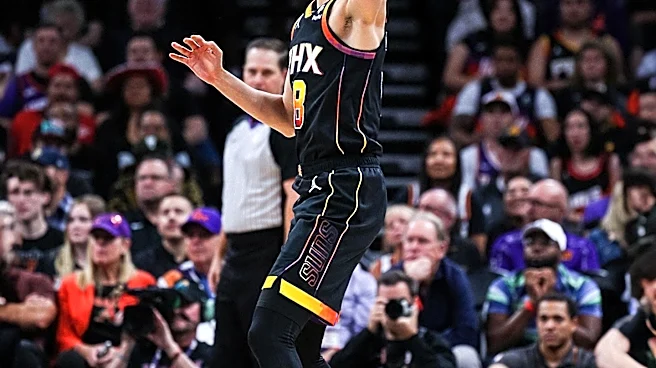
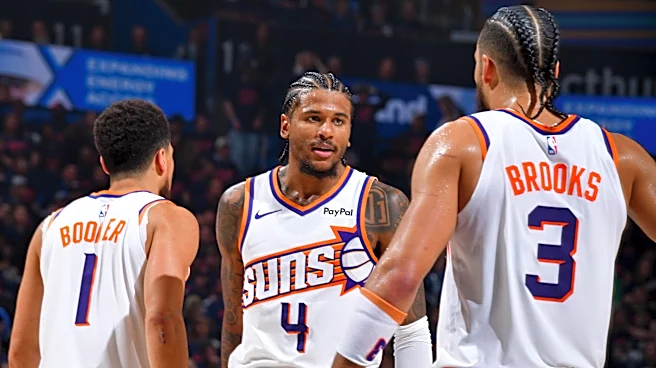
and starts alongside Devin Booker. Despite initial hopes for Green's potential and athleticism, his performance has been inconsistent. The team's defensive rating is currently last in the league at 125.8, and they allowed 252 points in recent losses to the Oklahoma City Thunder and the Denver Nuggets. Green's recent performance against the Nuggets, where he scored only two points on 1-for-6 shooting, has intensified calls for a change. Many observers suggest that the Suns need a 'true' point guard to organize the offense, with Collin Gillespie frequently mentioned as a potential replacement for Green in the starting five. Coach Ott has expressed a desire for patience, noting that it is still early in the season, but the mounting losses are increasing the urgency for adjustments.
Why It's Important?
The Phoenix Suns' early-season struggles and the debate over Jalen Green's role highlight a critical challenge for NBA teams: balancing player development with immediate competitive needs. Green's substantial contract and the team's investment in his potential create a dilemma for the coaching staff. If the Suns continue their poor performance, particularly defensively, it could jeopardize their playoff aspirations and impact team morale. The discussion around replacing Green with Collin Gillespie underscores the value of a consistent, organizing presence in the backcourt, even if Gillespie lacks Green's raw athleticism. For the Suns, a successful resolution to this lineup issue is crucial for maximizing the performance of star players like Devin Booker and Miles Bridges, who are currently shouldering significant offensive responsibility. The team's ability to adapt and find a functional starting five will determine their trajectory in a competitive Western Conference, affecting fan engagement and potential revenue streams.
What's Next?
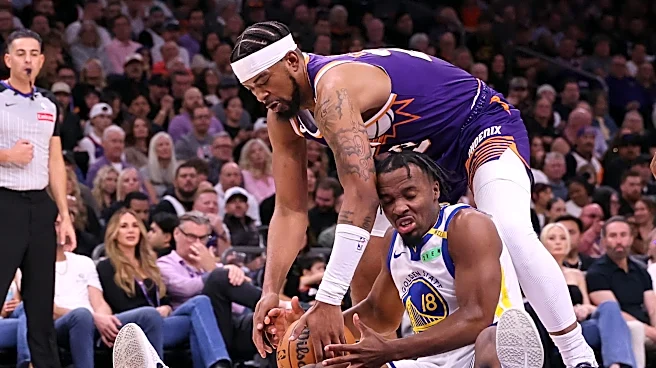
Coach Jordan Ott is currently exercising patience, stating that he wants to give the current lineup a few more games to develop. However, the growing pressure from the team's 1-3 start and the statistical evidence of the starting five's poor performance suggest that changes may be inevitable. The Suns will face the Golden State Warriors in their next road game, a rematch they won earlier in the season, but another high-scoring affair without defensive improvement will likely intensify calls for adjustments. While Green's teammates, including Collin Gillespie, have publicly expressed confidence in him, the organizational decision will likely hinge on whether Green can quickly adapt to a more facilitating role or if his inconsistent scoring and defensive lapses continue. The franchise will need to weigh the long-term investment in Green against the immediate need to salvage the 2026-27 season, potentially leading to a bench role for Green or even trade considerations if the struggles persist.
Beyond the Headlines
The situation with Jalen Green and the Phoenix Suns touches upon broader themes in professional sports, particularly the tension between potential and performance, and the human element of team management. Green's journey from a highly touted prospect to a player facing scrutiny for his role highlights how raw talent must translate into consistent, impactful play within a team structure. The concept of 'positionless basketball' is also being tested, as the Suns' struggles suggest that clearly defined roles, especially for a primary ball-handler, remain crucial for offensive fluidity and defensive cohesion. The decision-making process for Coach Ott and the Suns' front office will involve not only statistical analysis but also managing player egos and team chemistry, especially given Green's significant salary. This scenario could influence future team-building strategies across the league, emphasizing the importance of complementary skill sets over individual star power, and the ongoing debate about how quickly teams should pivot from developmental projects to proven performers.