


What's Happening?
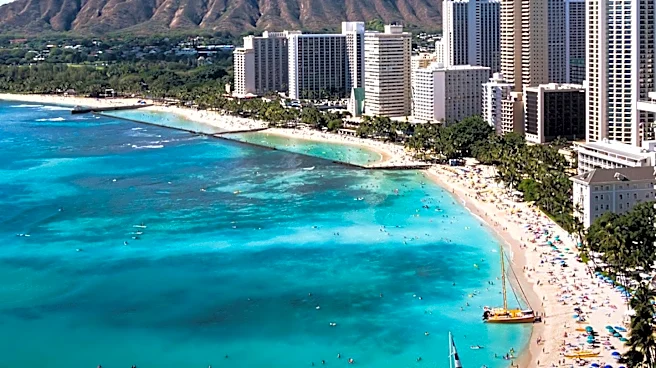
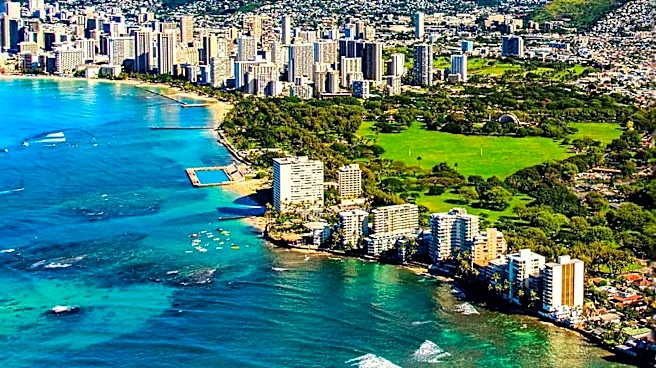
A new report by the University of Hawaiʻi Economic Research Organization (UHERO) indicates that Waikīkī's tourism industry generated an estimated $6.9 billion in economic activity in 2024. This figure accounts for 6% of Hawaiʻi’s Gross State Product (GSP),
which represents the total value of goods and services produced in the state annually. The report, titled 'The Economic Contribution of Waikīkī (2026 Update),' highlights that visitor activity in Waikīkī continues to be a significant contributor to Hawaiʻi’s economy. It supports tens of thousands of jobs and generates hundreds of millions of dollars in tax revenue across the state. In 2024, Waikīkī accounted for approximately 38% of the state’s visitor accommodations and average daily visitor population, leading to $8.7 billion in visitor spending. While visitor spending includes all money spent on goods, services, and accommodations, GSP specifically measures the value of goods and services produced within the state, excluding spending on imported items.
Why It's Important?
The UHERO report underscores the critical role Waikīkī plays in Hawaiʻi's economic landscape, despite a diversification of tourism across other islands. The $6.9 billion generated by Waikīkī-based visitor activity directly translates to substantial economic benefits, including supporting 62,000 civilian jobs statewide, which is 7% of the total. Furthermore, it generated nearly $799 million in state tax revenue, also 7% of the statewide total. This economic contribution is vital for the state's fiscal health and employment. The report also notes that visitor services remain the largest single contributor to Hawaiʻi’s annual GSP. The economic benefits extend beyond the immediate resort district, supporting a wide array of businesses, from hotels and restaurants to suppliers of goods and services to the visitor industry. The report estimated that statewide tourism, including Waikīkī's contribution, supported over 170,000 civilian jobs through direct and indirect economic activity in 2024.
What's Next?
The findings of the UHERO report will likely inform future economic planning and tourism strategies for Hawaiʻi. While Waikīkī's share of the statewide visitor industry has decreased over the past two decades due to diversification, its overall visitor numbers have continued to grow. This trend suggests that while other islands are gaining traction, Waikīkī remains a cornerstone of the state's tourism. Policymakers and tourism stakeholders will need to consider these dynamics when developing infrastructure, marketing campaigns, and regulatory frameworks. The report, which updates a 2003 economic brief, provides a current benchmark for assessing the economic impact of tourism and will likely be used to guide investments and resource allocation to maintain and enhance the industry's contribution to the state's economy. Continued monitoring of hotel rates and visitor spending patterns will be crucial for adapting to market changes.
Beyond the Headlines
The report's insights into Waikīkī's economic contribution highlight a broader challenge for popular tourist destinations: balancing economic growth with sustainable development and local community well-being. While tourism brings significant revenue and job creation, it also places demands on infrastructure, natural resources, and can impact the cost of living for residents. The observation that hotel rate growth has tapered off in recent years, as noted by Marcus Peng, suggests a potential shift in market dynamics or increased competition. This could lead to discussions about the long-term sustainability of current tourism models and the need for strategies that ensure the benefits of tourism are equitably distributed and do not exacerbate existing social or environmental pressures. The report's funding by the Waikīkī Beach Special Improvement District Association and coordination by the UH Sea Grant College Program also points to the collaborative efforts between academic institutions, local businesses, and community organizations in understanding and shaping the future of tourism.