





What's Happening?
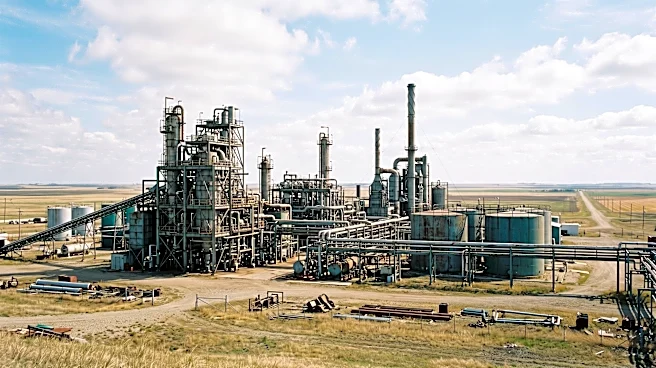
Sherritt International has announced temporary layoffs for approximately 280 workers in Canada, including 134 members of Unifor Local 530-A, at its nickel and cobalt refinery in Fort Saskatchewan. These layoffs, expected to last about 90 days, affect
nearly half of the company's Canadian workforce. The refinery ceased production on June 22 after exhausting its supply of ore from Sherritt's Moa joint venture in Cuba. Sherritt suspended its involvement in Cuban operations on May 7, following expanded U.S. sanctions against Cuba. Unifor, Canada's largest private-sector union, had previously warned the federal government in May about the potential job losses stemming from these sanctions. The union has called for immediate federal intervention to safeguard the refinery, its employees, and Canada's critical minerals supply chain. Sherritt received an initial U.S. emergency license on October 20 but states that additional licenses are necessary before refining operations can resume, with no restart date currently set.
Why It's Important?
This situation highlights the significant impact of U.S. foreign policy, specifically sanctions, on Canadian industries and employment. The layoffs at Sherritt International's refinery underscore how geopolitical tensions can directly affect the livelihoods of workers in allied nations. For Canada, the disruption to a critical minerals refinery raises concerns about the stability of its supply chain for essential resources like nickel and cobalt. These minerals are vital for various high-tech industries, including electric vehicles and renewable energy. The incident also brings to the forefront the debate over national sovereignty and economic protection, as Unifor advocates for stronger Canadian laws to counteract the effects of U.S. sanctions and for government financial support to protect domestic industries. The reliance on U.S. licensing for operational continuity demonstrates a vulnerability for Canadian companies with international supply chains that intersect with sanctioned entities.
What's Next?
Unifor is intensifying its calls for immediate federal action from the Canadian government to protect the refinery and its workers. The union is urging Ottawa to utilize available tools to prevent these temporary layoffs from becoming permanent. Sherritt International requires additional U.S. emergency licenses to restart its refining operations, and the timeline for obtaining these is uncertain. The Canadian government may face increased pressure to implement measures that shield Canadian businesses and workers from the extraterritorial effects of U.S. sanctions. This could involve exploring diplomatic avenues with the U.S. to secure necessary exemptions or developing domestic policies to support affected industries. The situation will likely continue to be a point of contention between labor unions, the company, and the Canadian government as they seek a resolution to resume operations and reinstate the laid-off employees.
Beyond the Headlines
The Sherritt International layoffs reveal a broader challenge for countries like Canada that are deeply integrated into the global economy but also subject to the unilateral foreign policy decisions of larger powers. This event could prompt a re-evaluation of Canada's economic resilience and its strategies for protecting critical industries from external pressures. It also raises questions about the long-term implications of relying on international supply chains that are vulnerable to geopolitical shifts and sanctions. Ethically, the situation highlights the dilemma of workers bearing the brunt of international political disputes. Legally, it may reignite discussions about the enforceability and impact of extraterritorial sanctions on sovereign nations and their domestic economies. Culturally, it could foster a stronger sense of national economic protectionism and a push for greater self-sufficiency in critical mineral processing.