




What's Happening?
Archer Aviation (NYSE:ACHR) has seen its stock price fall by over 52% this year, driven by investor apprehension regarding substantial financial losses and a high rate of cash consumption. In the third quarter, the company reported a loss of $274.6 million,
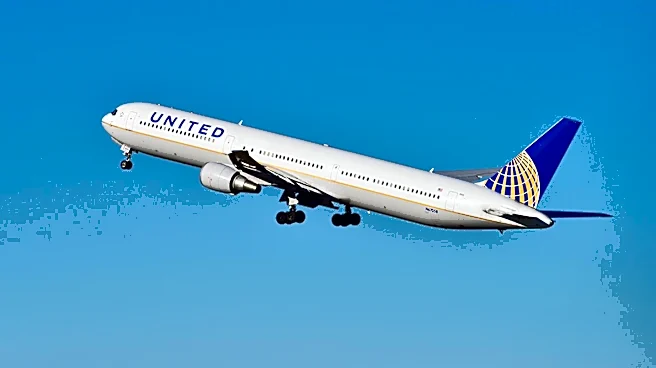
which is more than double the $129.9 million loss from the same period in the previous year. This increase in losses comes as Archer ramps up production at its manufacturing facility in Covington, Georgia. The company's reliance on the Federal Aviation Administration (FAA) for Type certification and National Airspace System integration means that regulatory bottlenecks, such as those caused by the FAA's aging IT infrastructure, staffing shortages, and recent outages, could impact Archer's timelines. Similarly, technical issues experienced by United Airlines, Archer's primary customer, could lead to a reprioritization of United's core operations over its partnership with Archer, potentially affecting joint planning and infrastructure co-investment.
Why It's Important?
The significant decline in Archer Aviation's stock and the underlying concerns highlight the challenges faced by emerging electric vertical take-off and landing (eVTOL) aircraft developers. The financial performance of Archer, characterized by increasing losses and high cash burn, raises questions about the long-term viability and capital requirements for companies in this nascent industry. Furthermore, the operational issues at both the FAA and United Airlines underscore the broader systemic risks that could impede the rollout of urban air mobility. Delays in FAA certification processes due to infrastructure limitations or increased risk aversion could push back the commercialization of eVTOL technology. For United, its focus on resolving internal technical glitches might divert attention and resources from its strategic partnership with Archer, potentially slowing the integration of air-taxi services into its network and impacting Archer's revenue projections and market adoption.
What's Next?
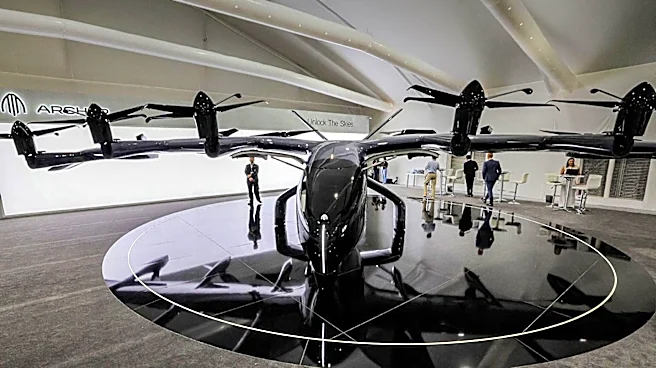
Archer Aviation will need to navigate both its financial challenges and external operational hurdles to maintain its development timeline. The company's ability to secure additional funding and manage its cash burn will be critical as it continues production and seeks regulatory approvals. For the FAA, ongoing efforts to modernize its IT infrastructure and address staffing shortages will be crucial for ensuring timely certification processes for eVTOL aircraft. Any further delays or increased stringency in regulatory requirements could significantly impact Archer's ability to achieve commercial operations. United Airlines' future engagement with Archer will likely depend on its own operational stability and strategic priorities. Should United prioritize its core airline operations, it could slow down the integration of Archer's Midnight aircraft into its network, affecting Archer's market entry and revenue streams.
Beyond the Headlines
The challenges faced by Archer Aviation extend beyond immediate financial and operational concerns, touching upon the broader implications for the future of urban air mobility. The reliance on a strained regulatory body like the FAA and a single anchor airline like United exposes the fragility of the eVTOL ecosystem. This situation could lead to a re-evaluation of investment strategies in the sector, potentially favoring companies with more diversified partnerships or stronger financial backing. Moreover, the technical issues experienced by the FAA and United highlight the critical need for robust and modern air traffic control systems to safely integrate new forms of air transportation. The development of eVTOLs is not just about the aircraft themselves, but also about the readiness of the entire aviation infrastructure to support them, raising questions about public and private investment in foundational technologies necessary for this new era of flight.