





What's Happening?
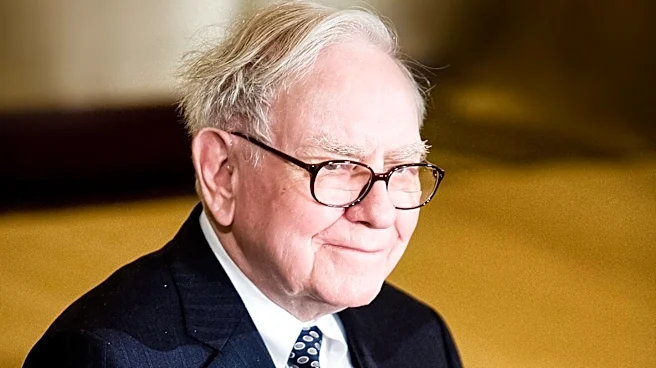
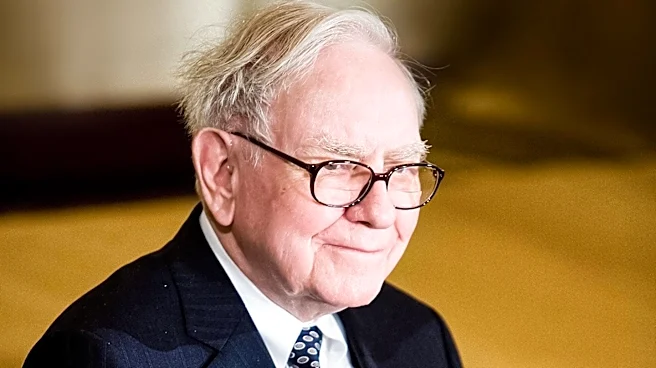
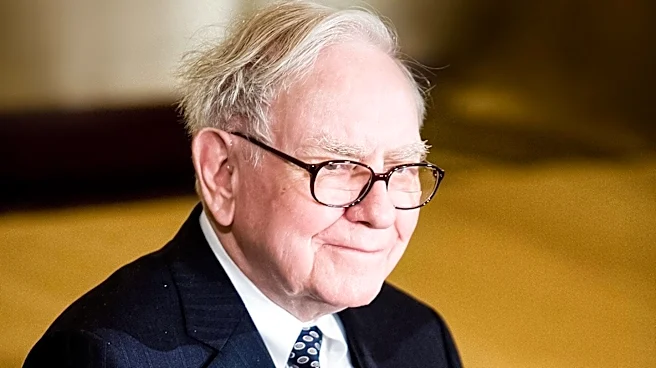
Warren Buffett, who served as CEO of Berkshire Hathaway from 1965 to 2025, transformed the company into a $1 trillion conglomerate. Following his retirement, the new CEO, Greg Abel, has continued an investment strategy focused on companies with steady
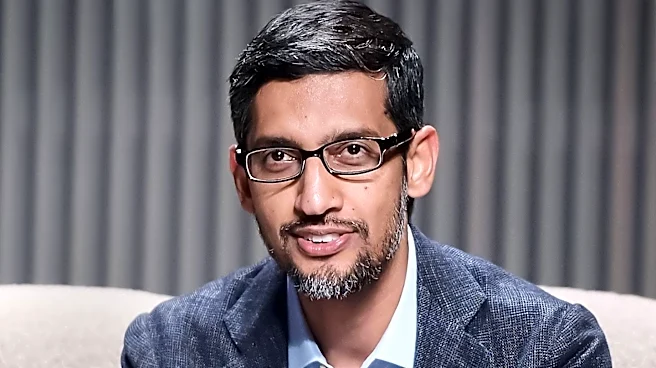
growth and reliable profits. Notably, 41.6% of Berkshire Hathaway's $358 billion stock portfolio is now concentrated in three major companies that are actively integrating artificial intelligence (AI) into their operations. These companies include Alphabet, Coca-Cola, and Apple. Alphabet, the parent company of Google, is utilizing AI in its search functions and cloud services. Coca-Cola is leveraging AI for marketing, manufacturing, and product development, including a significant deal with Microsoft Azure. Apple is incorporating AI into its devices through the Apple Intelligence suite, enhancing user experience with features like email summarization and prioritized notifications. Greg Abel has notably increased Berkshire's position in Alphabet during 2026.
Why It's Important?
This strategic shift in Berkshire Hathaway's portfolio highlights a significant trend in the U.S. business landscape: the increasing integration of artificial intelligence across diverse industries, even within companies traditionally not considered tech-centric. For investors, this demonstrates that even value-oriented conglomerates like Berkshire Hathaway are recognizing the long-term potential of AI, not just in pure tech plays but in enhancing established businesses. The substantial investment in companies like Coca-Cola, which is using AI for operational efficiency and innovation, suggests that AI is becoming a fundamental tool for maintaining competitiveness and driving growth across various sectors. This move could influence other large investment firms to re-evaluate their portfolios for AI integration, potentially accelerating AI adoption and investment across the U.S. economy. It also underscores the idea that AI is not merely a speculative trend but a transformative technology with tangible applications for profitability and market leadership.
What's Next?
The continued aggressive investment by Berkshire Hathaway's new CEO, Greg Abel, in companies leveraging AI suggests a sustained focus on this technology as a key driver of future growth. It is likely that other major investment firms and corporations will closely observe the performance of these AI-integrated holdings within Berkshire's portfolio. Should these investments yield significant returns, it could further validate the strategy of embedding AI into traditional business models, potentially leading to increased capital allocation towards AI research, development, and implementation across various U.S. industries. Companies not currently prioritizing AI might face pressure to adapt or risk falling behind competitors who are embracing these technological advancements. Furthermore, the success of AI applications in diverse sectors, from consumer tech to beverages, could spur innovation and competition in AI development, leading to more sophisticated and widespread AI solutions in the market.
Beyond the Headlines
The substantial AI-focused investments by Berkshire Hathaway, a company historically known for its conservative, value-driven approach under Warren Buffett, signal a broader paradigm shift in how corporate value is perceived and generated. This move suggests that AI is no longer just a technological niche but a foundational element for competitive advantage and long-term sustainability across the U.S. economy. It raises questions about the future of traditional industries and how quickly they must adapt to technological advancements to remain relevant. The ethical implications of widespread AI adoption, such as data privacy, algorithmic bias, and job displacement, will likely become more prominent as AI becomes more deeply embedded in everyday business operations. This strategic pivot by a financial titan like Berkshire Hathaway could accelerate public and regulatory discussions around the responsible development and deployment of AI, shaping future policy and societal norms.