



What's Happening?
Homeowners preparing their houses for sale often face the challenge of repairing small damaged spots on walls and matching the paint color. According to James Dulley, achieving an absolutely perfect color and texture match can be difficult, if not impossible.
He advises homeowners to manage expectations, as a reasonably good match will likely go unnoticed by others. A crucial first step is to thoroughly wash all walls in the room with soap and water, as cleaned walls often appear several shades brighter, revealing the true color to be matched. After cleaning, if spots still stand out, it could be due to an imperfect paint match or a significant difference in surface texture. Dulley suggests taking small paint shavings from the wall to a reputable paint store for color matching, recommending leaning towards a darker shade initially as it's easier to lighten paint than darken it. He also emphasizes the importance of leaving some texture on patched surfaces to blend with the surrounding wall.
Why It's Important?
The advice on paint matching is significant for homeowners across the U.S., particularly those in the real estate market. The appearance of a home, including the quality of its paintwork, can directly impact its marketability and perceived value. A poorly executed paint repair can deter potential buyers or lead to lower offers, as it suggests a lack of attention to detail or hidden issues. By following expert guidance, homeowners can enhance their property's appeal, potentially securing a quicker sale and a better price. This also affects the home improvement industry, as demand for professional paint matching services and quality paint products may increase. For DIY enthusiasts, understanding these techniques can save time and money, preventing the frustration of repeated attempts to achieve a satisfactory finish.
What's Next?
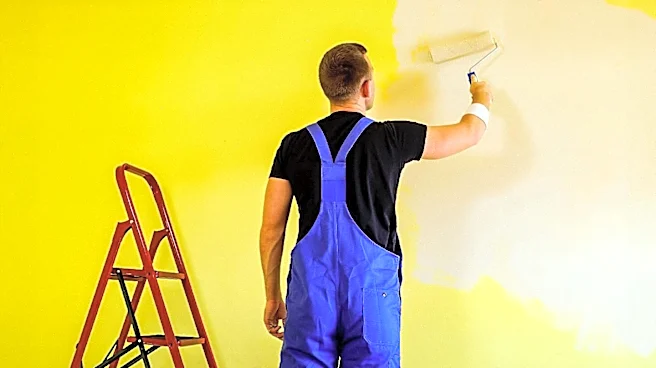
Homeowners undertaking paint repairs are advised to carefully follow the steps outlined, including thorough wall cleaning and precise paint matching. The next steps involve applying the matched paint, starting with a brush test and allowing it to dry completely before assessing the match. If the color is slightly off, adjustments can be made by adding small amounts of white paint to lighten it. Once an acceptable color is achieved, using a short roller for application will help create a finished surface texture similar to the rest of the walls. Dulley suggests having other family members try to locate the repaired spots after drying to gauge the success of the match. Continued adjustments to the paint mixture may be necessary until the repair is virtually undetectable, ensuring a polished look for potential buyers.
Beyond the Headlines
Beyond the immediate task of selling a home, the principles of 'perfect match' paint repair extend to general home maintenance and aesthetic upkeep. The challenge of color matching highlights broader issues in product consistency and the subjective nature of visual perception. It underscores the value of professional expertise in fields like paint and home improvement, where subtle differences can have a significant impact on the final outcome. This also touches upon consumer behavior, as individuals often seek perfection in their living spaces, driving demand for specialized products and services that promise precise results. The advice implicitly encourages a methodical approach to home projects, emphasizing patience and attention to detail over quick fixes, which can lead to more satisfying and durable results in the long run.