







What's Happening?
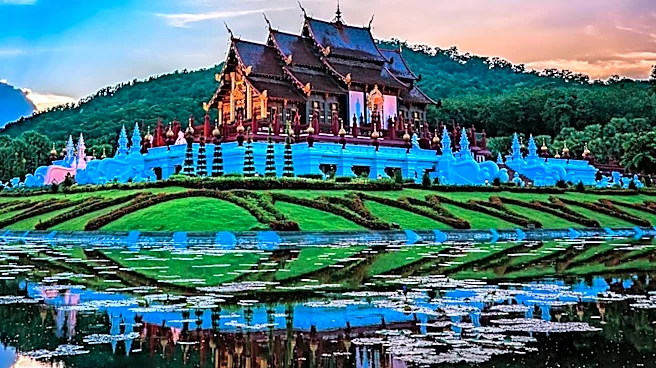
Chiang Mai, Thailand, is recognized for its vibrant urban environment, numerous temples, and a more relaxed atmosphere compared to Bangkok. The city's Old City alone hosts over 30 active temples, including prominent sites like Wat Phra Singh and Wat Chedi
Luang. Beyond its historical and spiritual landmarks, Chiang Mai provides diverse attractions such as the bustling Night Bazaar and various riverside dining options. For those interested in wildlife conservation, ChangChill offers an opportunity to learn about elephant welfare and observe elephants in their natural habitat. Another unique excursion available is to the First Miracle Castle at Mon Jam, which features structures intricately crafted from flowers, providing a distinct visual experience. The city serves as a central point for exploring northern Thailand's cultural and natural beauty, attracting tourists seeking both historical immersion and serene landscapes. Its blend of ancient traditions and modern amenities makes it a popular destination for a wide range of travelers.
Why It's Important?
Chiang Mai's appeal as a tourist destination is significant for Thailand's tourism industry, contributing to the local economy through visitor spending on accommodation, food, transportation, and local goods. The preservation and promotion of its numerous temples, such as Wat Pha Lat, Wat Phra Singh, and Wat Chedi Luang, are crucial for maintaining Thailand's cultural heritage and attracting international visitors interested in Buddhist art and architecture. The city's focus on responsible tourism, exemplified by initiatives like ChangChill for elephant conservation, highlights a growing global trend towards ethical travel, which can enhance Thailand's reputation as a sustainable tourism destination. Furthermore, the variety of attractions, from bustling markets to serene natural parks and unique floral castles, caters to diverse tourist preferences, ensuring a broad appeal and sustained interest in the region. This diversity helps to distribute tourist traffic and economic benefits across different sectors of the local economy.
What's Next?
Chiang Mai is expected to continue its development as a premier tourist destination, with ongoing efforts to balance tourism growth with cultural preservation and environmental sustainability. Future initiatives may include further promotion of eco-tourism and responsible wildlife interactions, building on the success of places like ChangChill. There could also be increased focus on developing unique cultural experiences, such as meditation retreats at active temples like Wat Pha Lat, to offer deeper engagement for visitors. Infrastructure improvements, particularly in transportation and accommodation, are likely to continue to support the growing influx of tourists. Additionally, local authorities and tourism operators may explore new ways to showcase the region's natural beauty, perhaps through enhanced trekking routes or specialized tours to less-explored areas, while ensuring minimal environmental impact. The city will likely aim to maintain its distinct identity as a cultural hub while adapting to the evolving demands of global tourism.
Beyond the Headlines
Beyond its immediate tourist appeal, Chiang Mai represents a fascinating case study in the intersection of tradition and modernity. The city's ability to maintain its spiritual and cultural essence, with hundreds of active temples, while simultaneously embracing modern tourism infrastructure, reflects a delicate balance. The presence of ancient legends, such as the white elephant story tied to Wat Pha Lat and Doi Suthep, underscores the deep historical roots that continue to influence contemporary life and tourism narratives. The emphasis on quiet, reflective spaces like Wat Pha Lat, often overlooked by those rushing to more prominent sites, highlights a growing desire among travelers for authentic, less commercialized experiences. This trend suggests a broader shift in tourism, where the value of 'undiscovered' or 'off-the-beaten-path' locations is increasing, offering a more profound connection to local culture and spirituality. The city's approach to elephant conservation also reflects evolving ethical considerations in tourism, pushing for more humane and educational interactions with wildlife.