





What's Happening?
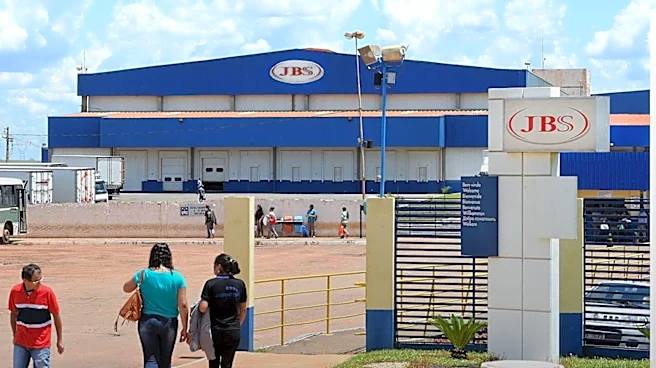
JBS USA is actively recruiting for a Harvest Maintenance Supervisor position in Plainwell, Michigan. This role is crucial for overseeing the daily operations within the Slaughter Maintenance Department. The supervisor will be responsible for the general
upkeep and maintenance of plant operations, which includes assisting across all areas of the facility to ensure adherence to safety and company policies. Key responsibilities involve troubleshooting mechanical issues, installing new equipment, and performing repairs and maintenance on existing machinery. The position also entails ensuring compliance with safety documentation, monitoring safety procedures, and taking corrective action for any observed safety infractions. Furthermore, the supervisor will direct assigned employees in maintenance work, record job progress, and assign specific tasks, preventive maintenance, and planned work orders to mechanics. The role requires close collaboration with other supervisors and peers to determine optimal methods, materials, tools, and equipment for various jobs, and to manage overtime approvals. The work schedule for this position is four days a week, from 7:00 pm to 7:30 am, with mandatory Sundays.
Why It's Important?
This hiring initiative by JBS USA is significant for the local economy in Plainwell, Michigan, as it represents a direct investment in job creation and the maintenance of essential infrastructure within the food processing industry. The role of a Harvest Maintenance Supervisor is critical for ensuring the continuous and safe operation of a major food production facility. Efficient maintenance directly impacts productivity, product quality, and the overall supply chain for meat products. A well-maintained facility reduces downtime, prevents costly breakdowns, and ensures that production targets are met, which is vital for JBS USA's operational efficiency and profitability. Moreover, the emphasis on safety compliance within the job description highlights the company's commitment to worker well-being and regulatory adherence, which can mitigate risks of accidents and associated liabilities. The stability of such positions contributes to local employment and supports the broader agricultural and food manufacturing sectors, which are key components of the U.S. economy. The continuous operation of such facilities is essential for food security and the availability of consumer goods.
What's Next?
JBS USA will proceed with the recruitment and selection process to fill the Harvest Maintenance Supervisor position. This will involve reviewing applications, conducting interviews, and ultimately hiring a qualified candidate who can effectively manage the Slaughter Maintenance Department. Once hired, the new supervisor will undergo an onboarding process to integrate into the existing team and familiarize themselves with JBS USA's specific operational protocols and safety standards. The company will continue to focus on maintaining its plant operations efficiently, ensuring that all equipment is in optimal working condition to meet production demands. This ongoing commitment to maintenance and safety will likely involve regular training for staff, updates to equipment, and continuous monitoring of operational procedures. The successful integration of this new supervisor will be crucial for sustaining the plant's productivity and upholding the company's operational standards in Plainwell, Michigan. JBS USA's broader initiatives, such as ESG efforts and supplier compliance, will also continue to evolve, influencing future operational decisions and hiring needs.
Beyond the Headlines
Beyond the immediate need for a maintenance supervisor, this job opening reflects broader trends within the U.S. food processing industry, particularly the ongoing demand for skilled trades and technical expertise in manufacturing. The emphasis on mechanical troubleshooting, equipment installation, and adherence to safety protocols underscores the complex and highly regulated nature of food production. The mandatory Sunday work schedule also highlights the continuous operational demands of the industry, which often operates 24/7 to meet consumer needs. This role is not just about fixing machines; it's about ensuring the integrity of the food supply chain, which has significant public health and economic implications. The ability to attract and retain skilled maintenance personnel is a critical challenge for many industrial sectors, including food processing, as it directly impacts operational resilience and competitiveness. Furthermore, the company's broader commitment to ESG initiatives, as mentioned in other contexts, suggests an evolving corporate responsibility landscape where operational efficiency is increasingly linked to sustainability and ethical practices, even in roles focused on day-to-day maintenance.