


What's Happening?
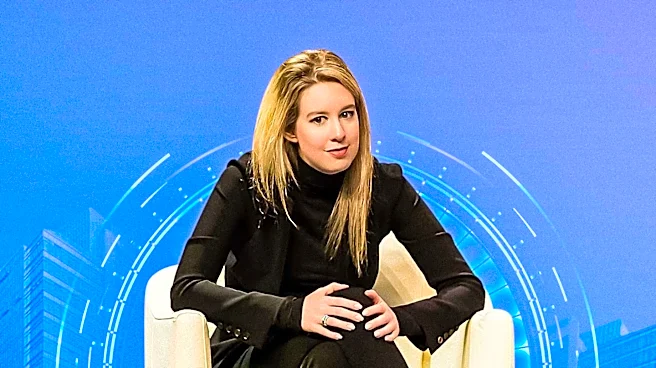
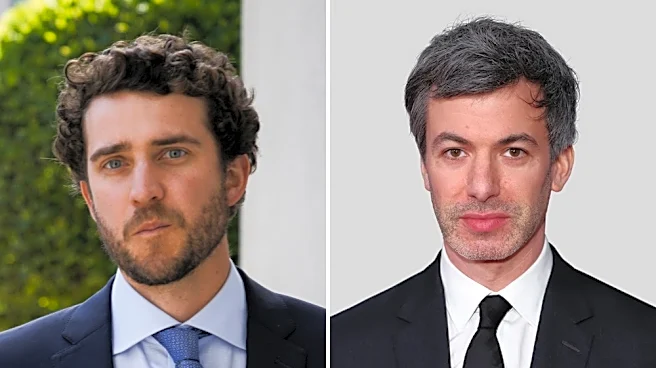
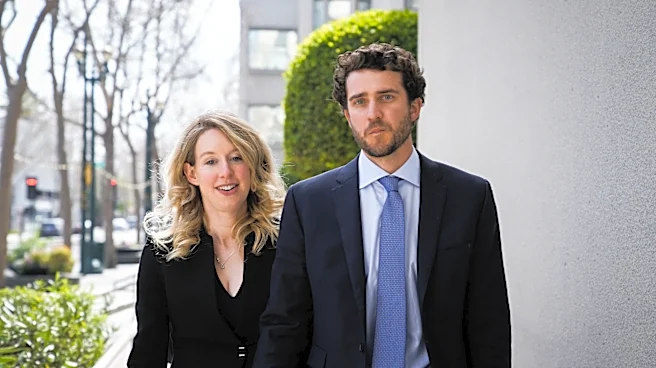
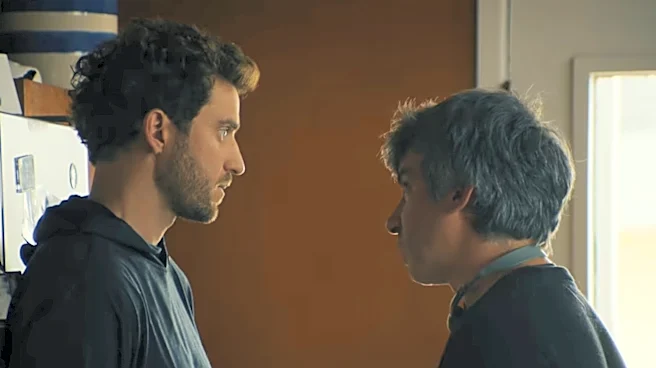
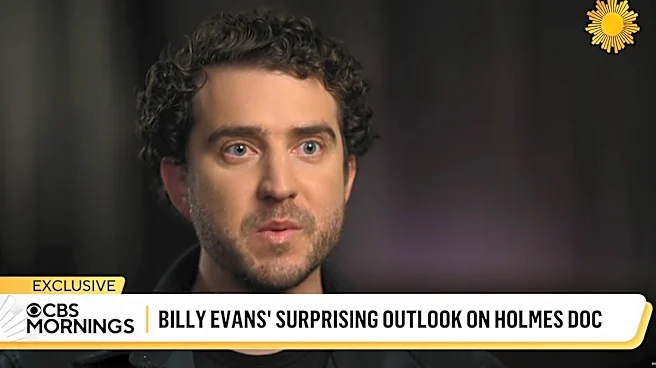
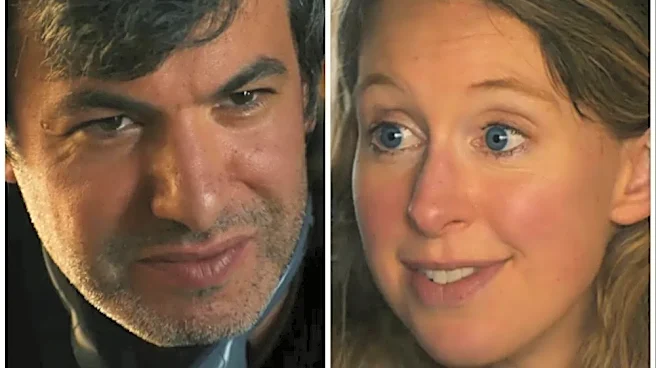
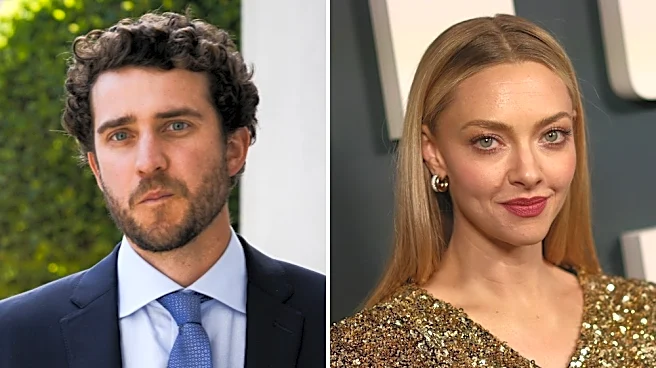
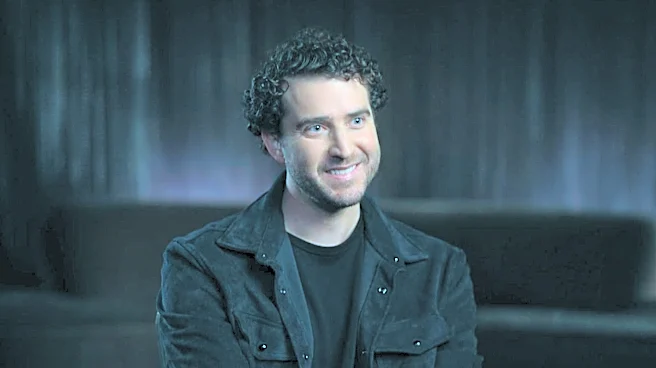
Billy Evans, partner of Elizabeth Holmes, has given his first television interview on 'CBS Sunday Morning' to discuss his experience with the documentary 'You Can See Everything.' The film, co-directed by Lance Oppenheim and Nathan Fielder, chronicles
the weeks leading up to Holmes' imprisonment in 2023. Evans expressed surprise and discomfort regarding certain scenes, particularly one where he was filmed naked in the shower, stating he did not consent to its inclusion in the final cut, despite knowing he was being filmed generally. He described daily 'inappropriate' and 'awkward' requests during the 34 days of filming. Evans acknowledged that the film portrays him as a 'controlling monster' or 'villain' but stated he is not angry, viewing it as entertainment and accepting that he didn't control the edit. He maintains that his goal was for people to see the person he loves in Elizabeth Holmes. Evans also shared details about his family life, including visiting Holmes weekly in prison with their children and facing daily threats of violence, which has led him to carry a gun for protection.
Why It's Important?
This interview provides a rare personal perspective from a central figure in the Elizabeth Holmes saga, offering insights into the human element behind a high-profile legal and media event. Evans's account highlights the complex ethical considerations involved in documentary filmmaking, particularly concerning consent and the portrayal of individuals, especially when they are subjects of intense public scrutiny. His statements about the 'inappropriate' filming requests and the lack of control over the final edit raise questions about journalistic integrity and the boundaries between reality and entertainment. The ongoing challenges faced by Evans and his children, including threats of violence and the impact of Holmes's imprisonment on their family life, underscore the far-reaching consequences of such public scandals. This story resonates with broader discussions about privacy, media ethics, and the personal toll of public judgment.
What's Next?
The documentary 'You Can See Everything' continues to generate discussion, and Evans's interview will likely fuel further debate about its narrative and ethical implications. The film's production company, A24, has stated that everything filmed was done with consent, creating a direct contradiction with Evans's claims regarding specific scenes. This discrepancy could lead to increased scrutiny of A24's production practices or prompt further public statements from the filmmakers. For Evans and his family, the immediate future involves continuing their visits to Elizabeth Holmes in prison, with the possibility of her transfer to a halfway house next summer. The ongoing public attention and threats of violence suggest that their lives will remain under a spotlight, requiring continued vigilance and adaptation to their unique circumstances.
Beyond the Headlines
Beyond the immediate controversy surrounding the documentary, Evans's narrative touches upon deeper societal issues. The public's fascination with figures like Elizabeth Holmes and the Theranos scandal reflects a broader cultural interest in ambition, deception, and the consequences of unchecked innovation. The film's portrayal of Evans as a 'villain' and his acceptance of it as 'entertainment' speaks to the blurred lines between reality and media narratives in the digital age. The threats of violence he experiences highlight the darker side of public opinion and the potential for online discourse to translate into real-world danger. This situation also prompts reflection on the justice system's impact on families and the challenges of maintaining a semblance of normalcy amidst extraordinary circumstances. The story serves as a cautionary tale about the power of media to shape perceptions and the enduring human cost of public downfall.