




What's Happening?
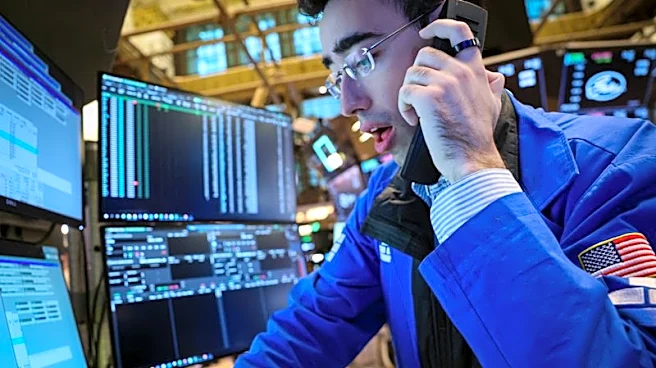
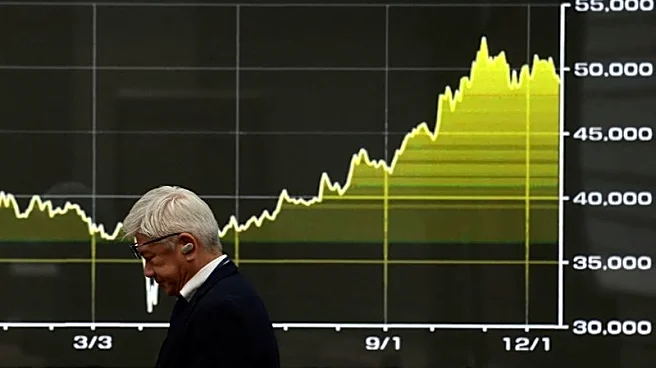
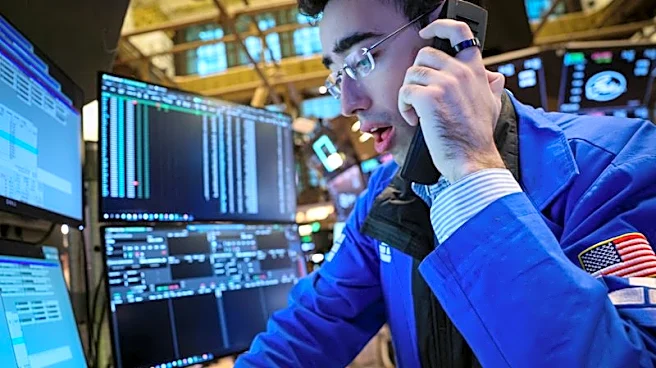
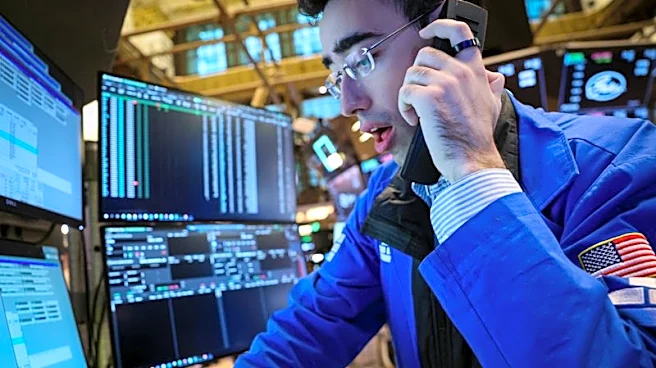
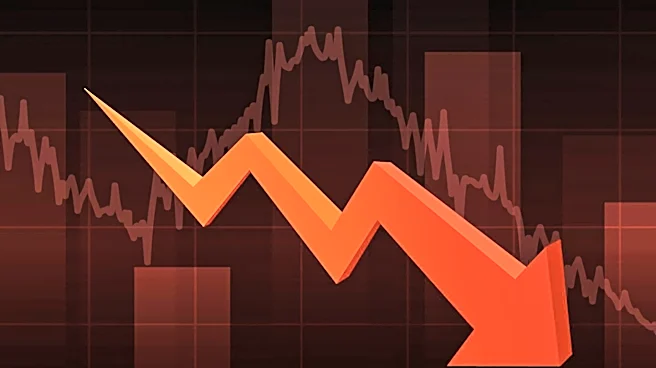
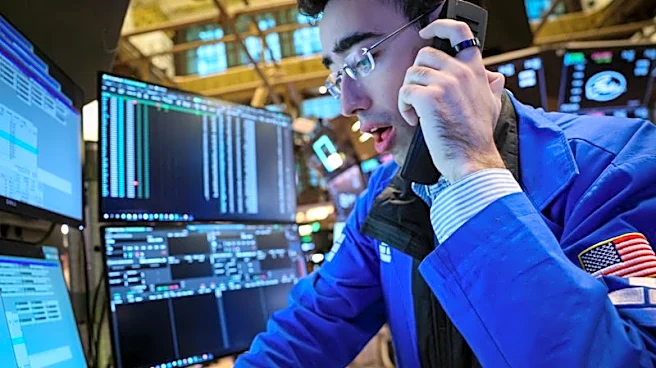
The U.S. stock market experienced a significant downturn on Friday, with tech stocks leading the decline. The Nasdaq Composite wiped out its gains for the year, while the S&P 500 and the Dow Jones Industrial Average entered correction territory, signifying
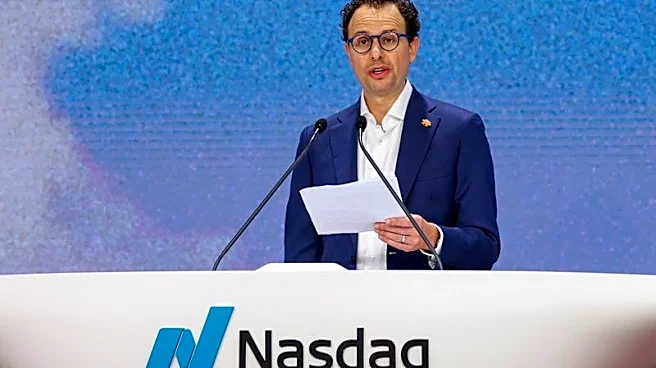
a drop of over 10% from their recent peaks. This dramatic sell-off is raising concerns about the sustainability of the AI investment wave that had previously fueled stock market growth. Anthropic, which had a blockbuster IPO just 24 hours prior, saw its stock lose 9%, reducing hundreds of billions in paper wealth. Nvidia also contributed to the market's decline, tumbling approximately 14% following a Reuters report indicating regulatory scrutiny into accounting irregularities. The S&P 500 recorded its worst seven-day losing streak since the Covid pandemic, with a 3.7% loss on Friday, leaving it up less than 1% for the year. The Nasdaq finished down 5.3%, and the Dow dropped 1.9%.
Why It's Important?
This market correction is significant as it challenges the narrative of a resilient U.S. equities market, which had been a visible positive during President Trump's second term amidst sticky inflation and stagnant housing and job markets. The AI investment boom had created substantial demand for stocks, leading to the creation of multiple new trillion-dollar companies. The current downturn, however, suggests a repricing of AI investments, influenced by factors such as slowing data center buildouts, reduced funding for AI-related projects, and a slower trajectory for technology-related earnings growth. The scrutiny on Nvidia and the impact of recent political events, such as the Democratic midterm victories, are exacerbating these pressures. For U.S. households relying on 401(k)s and pension funds, this downturn is particularly concerning, especially with persistent inflation. The Federal Reserve's 'hawkish' stance and aggressive rate hike signals are adding further pressure to the market, creating a dual force impacting investors.
What's Next?
The market's current trajectory suggests a potential for a prolonged downturn if underlying economic issues persist. Investors are already increasing purchases of U.S. Treasury bonds, indicating a flight to safety and a search for more reliable returns amid signs of weakening growth. This shift reflects concerns about higher interest rates and a stalling economy in China. According to Kevin Gordon, head of macroeconomic strategy and research at Charles Schwab, a protracted downturn, unlike anything seen since 2007-2009, could have deeper implications for economic growth. The ongoing regulatory investigations into companies like Nvidia and the broader re-evaluation of AI investment valuations will likely continue to influence market sentiment. The Federal Reserve's future actions regarding interest rates will also be a critical factor in determining the market's direction and the overall economic outlook.
Beyond the Headlines
The current market volatility extends beyond immediate financial losses, hinting at deeper shifts in investor confidence and the broader economic landscape. The cooling of the AI hype, while potentially a market correction, could also signal a more discerning approach to technological investments, moving away from speculative growth towards more sustainable and proven business models. The intertwining of political events, such as midterm election outcomes, with market performance underscores the complex interplay between policy, regulation, and economic stability. The increased scrutiny on corporate accounting practices, as seen with Nvidia, highlights a potential trend towards stricter oversight in the tech sector, which could impact future valuations and investment strategies. This period of adjustment may lead to a re-evaluation of economic indicators and a recalibration of investment portfolios, emphasizing resilience and fundamental value over rapid, speculative growth.