

What's Happening?
GardenRant highlights the increasing polarization within modern gardening, where practices are often viewed as either entirely virtuous or completely detrimental. The publication argues that most gardeners occupy a middle ground, yet are frequently subjected
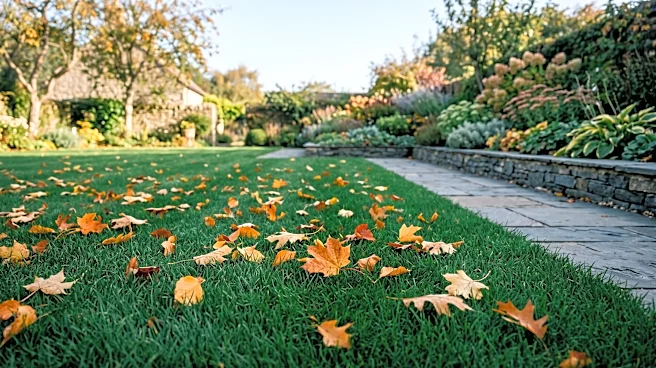
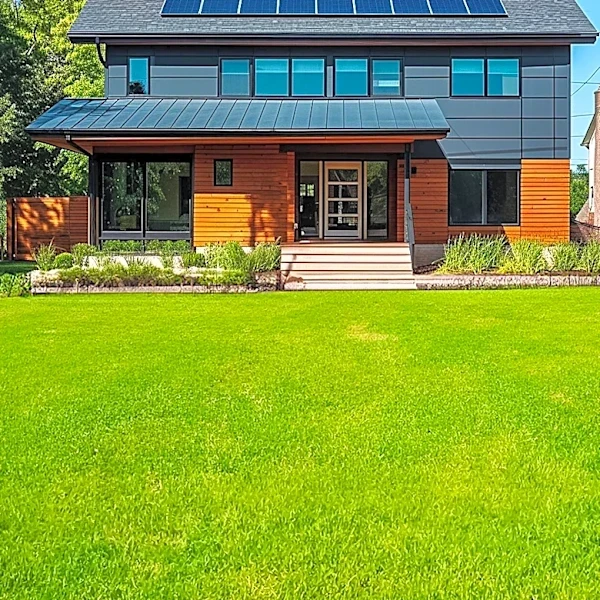
to extreme viewpoints. The article specifically addresses the role of lawns in gardens, asserting that real lawns can be an asset if they fulfill a need and do not become an excessive burden for the gardener. It also touches upon the often-disliked task of leaf clearing, noting its tedious nature despite the availability of tools like leaf blowers. The author expresses a personal dislike for this chore, particularly when dealing with large quantities of leaves on extensive lawns, and mentions plans to reduce lawn areas in some gardens to lessen maintenance demands. The discussion emphasizes that gardens are artificial spaces guided by human preference, whether for dense planting or open areas, and that lawns can provide both physical and illusory space.
Why It's Important?
This discussion is important as it reflects a broader cultural debate within the gardening community regarding sustainability, aesthetics, and labor. The polarization described by GardenRant can influence gardening trends, product choices, and even public perception of what constitutes a 'good' garden. For instance, the 'anti-lawn brigade' mentioned in the article advocates for lawn-less gardens, often citing environmental concerns related to chemical use and habitat loss. This perspective can impact the landscaping industry, promoting demand for native plants, groundcovers, and alternative garden designs. Conversely, the defense of lawns as functional and aesthetic elements highlights the diverse needs and preferences of homeowners, suggesting that a one-size-fits-all approach to gardening is impractical. The article implicitly encourages a more nuanced view, acknowledging that different garden elements serve different purposes and that balance is key to creating a sustainable and enjoyable outdoor space.
What's Next?
The ongoing debate about gardening practices, particularly concerning lawns, is likely to continue shaping horticultural trends and consumer choices. We may see further innovations in lawn alternatives, such as drought-tolerant grasses, native plant meadows, or artificial turf, as gardeners seek to balance aesthetic desires with environmental concerns and maintenance efforts. Educational initiatives from gardening organizations and master gardener programs may increasingly focus on sustainable practices that offer alternatives to traditional high-maintenance lawns, while also providing guidance on responsible lawn care for those who choose to maintain them. Manufacturers of gardening tools and products might also adapt, developing more efficient and environmentally friendly equipment for tasks like leaf clearing, or promoting products that support diverse garden ecosystems. The conversation could also lead to more community-level discussions about public green spaces and how they are managed, reflecting a growing awareness of ecological impacts.
Beyond the Headlines
Beyond the immediate discussion of lawns and leaf clearing, the article touches on deeper philosophical aspects of gardening. It highlights the tension between idealized, often prescriptive, gardening philosophies and the practical realities and personal preferences of individual gardeners. This reflects a broader societal trend where various lifestyle choices are increasingly scrutinized through an ethical or environmental lens, sometimes leading to judgment rather than understanding. The 'polarization' in gardening can be seen as a microcosm of larger cultural divides, where complex issues are reduced to binary choices. Furthermore, the article subtly critiques the commercialization of gardening, particularly the 'obsessive lawn bro maintenance regimes' that often rely on extensive chemical use, suggesting that such practices are elective rather than necessary. This raises questions about consumerism in gardening and the influence of marketing on horticultural practices, encouraging gardeners to critically evaluate what is truly needed versus what is promoted as ideal.