


What's Happening?
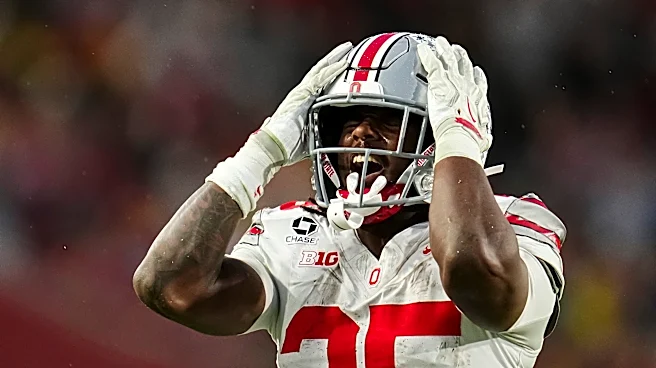
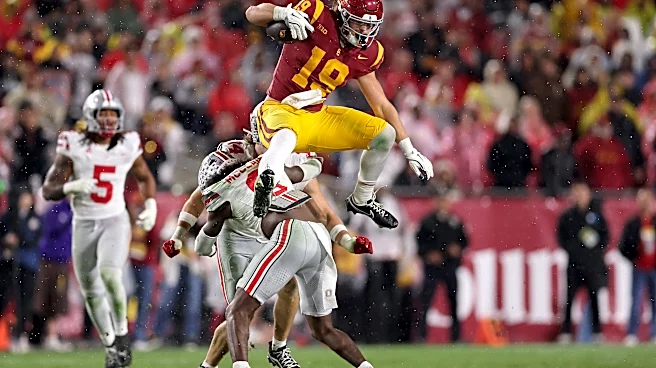
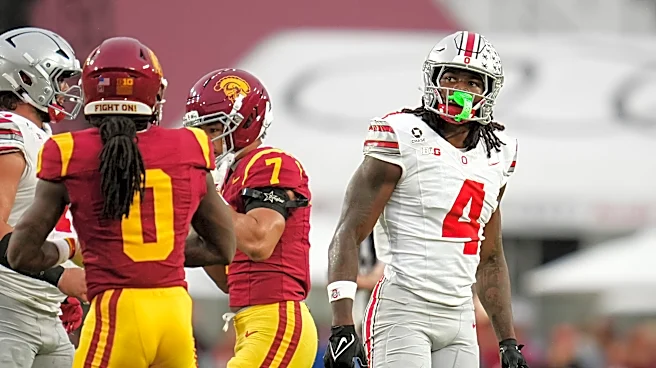
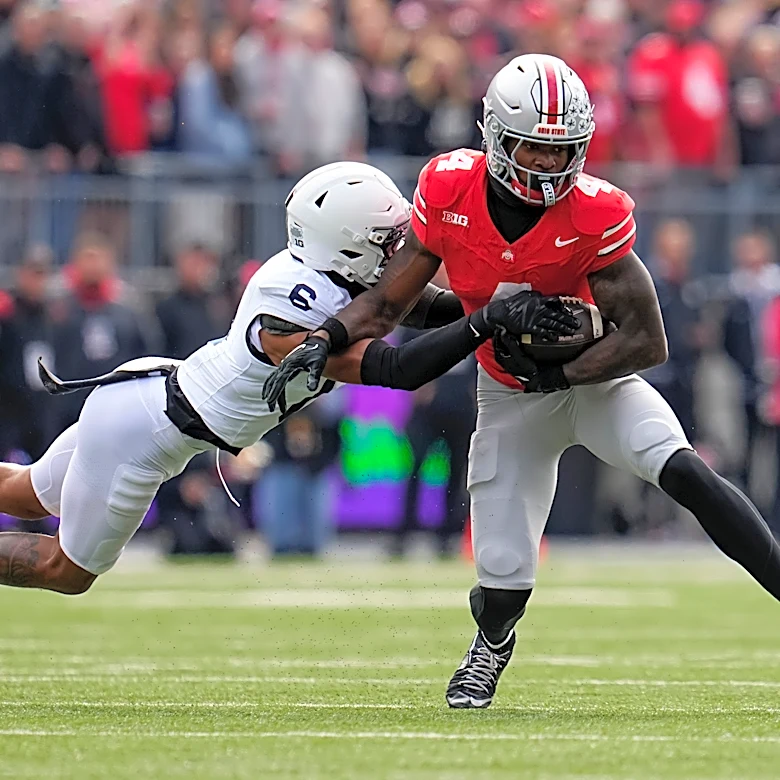
The No. 2 Ohio State Buckeyes suffered a 30-18 loss to Southern California (USC) on Saturday, October 31, 2026, marking another significant upset in what is being described as a chaotic college football season. Playing without their injured quarterback
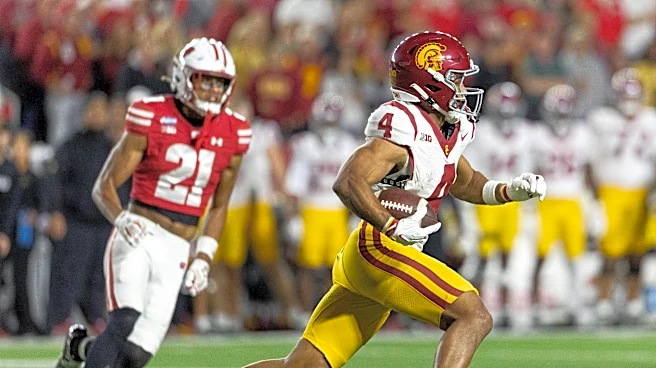
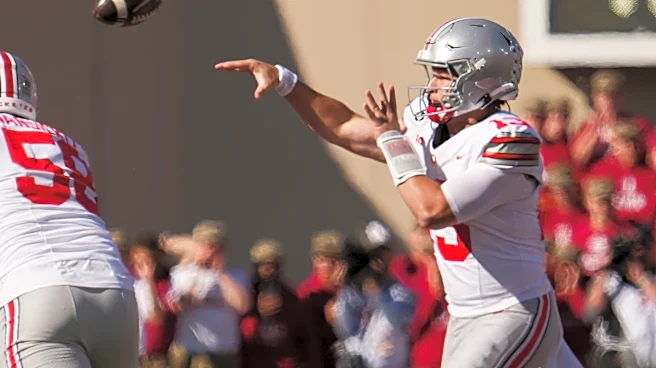
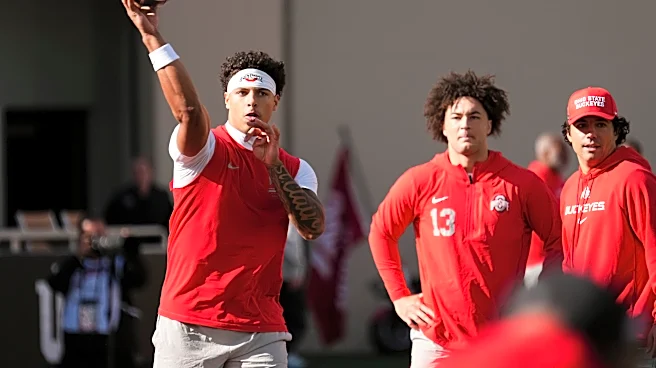
Julian Sayin, the Buckeyes struggled against USC. Freshman Trent Mosley was a standout for the Trojans, making a 69-yard touchdown catch and accumulating 101 receiving yards. Jayden Maiava contributed with 222 passing yards and a touchdown, while King Miller and Waymond Jordan added rushing scores. The USC defense held Ohio State without a touchdown for the first 57 minutes of the game. Ohio State's freshman quarterback Luke Fahey, making his first career start, passed for 260 yards. This loss marks the fourth time in four weeks that a team ranked No. 2 or higher in the AP Top 25 has lost, and the third consecutive week the No. 2 team has fallen.
Why It's Important?
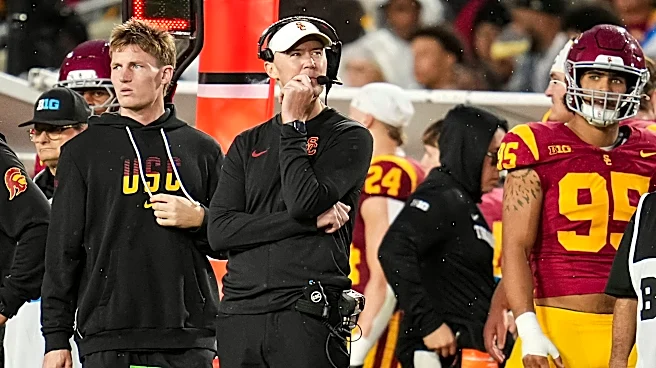
This upset has significant implications for the college football landscape, particularly concerning the national championship race and playoff rankings. Ohio State's second loss this early in the season, a rarity since 2011, could severely impact their chances of making the College Football Playoff. The defeat also highlights the increasing competitiveness and unpredictability within the sport, as top-ranked teams are consistently being challenged and beaten by lower-ranked opponents. For USC, this victory against a top-five opponent at the Coliseum for the first time since 2015 is a major boost for their program under coach Riley, potentially elevating their national standing and recruitment efforts. The 'season of chaos' narrative suggests that traditional powerhouses are facing tougher competition, leading to a more dynamic and less predictable season for fans and analysts alike.
What's Next?
Following this upset, Ohio State will need to regroup quickly to salvage their season and maintain any hope of a significant bowl game appearance. Their performance will be under intense scrutiny, especially regarding their quarterback situation and defensive consistency. USC, on the other hand, will aim to build on this momentum, with increased national attention and expectations for their remaining games. The broader college football landscape will continue to see shifts in rankings and playoff projections as other top teams navigate their schedules. The 'season of chaos' is likely to continue, with more upsets potentially impacting the final standings and the selection of teams for the College Football Playoff.
Beyond the Headlines
The recurring theme of top-ranked teams falling suggests a potential shift in the competitive balance of college football. This could be attributed to various factors, including increased parity across conferences, strategic coaching adjustments, or the impact of player transfers and early draft declarations. The emotional and psychological toll of such high-stakes games, especially for young athletes, is also a subtle but significant aspect. The 'storming the field' tradition by fans after major upsets underscores the deep cultural significance of college football in the U.S., where a single game can create lasting memories and redefine a team's season. This trend of unpredictability could lead to a re-evaluation of traditional power structures and a more inclusive discussion about which teams truly deserve national recognition.