






What's Happening?
The traditional coal mining industry is undergoing a significant transformation, moving from calendar-based repair schedules to a data-driven approach that integrates advanced weather forecasting and predictive maintenance. This shift is driven by increasingly
severe climate shifts, such as excessive heat or harsh winters, which directly impact equipment performance and operational continuity. Mining operations are now combining short-term weather data, long-term climate projections, and equipment condition data from IoT sensors and telematics to anticipate potential failures and optimize maintenance schedules. This proactive strategy allows for 'opportunity-based maintenance,' where complex repairs are aligned with periods of predicted severe weather that would halt production anyway, turning potential downtime into productive maintenance windows.
Why It's Important?
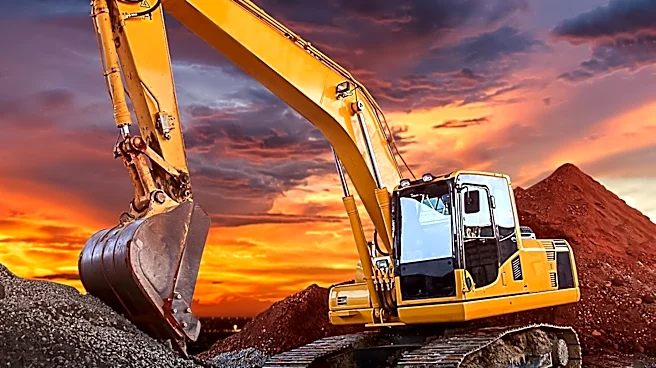
This transition is crucial for the U.S. mining industry's long-term profitability and operational resilience in the face of climate change. By preventing unexpected equipment failures and reducing downtime, companies can significantly cut maintenance costs, potentially by up to 25%. This proactive approach ensures that heavy machinery, such as hydro-excavators, is adequately protected against extreme weather conditions, preventing costly damage. For the broader U.S. economy, a more resilient mining sector contributes to stable resource supply chains and reduces the economic impact of climate-related disruptions. The adoption of these technologies also positions the U.S. mining industry as a leader in sustainable and technologically advanced operational practices, setting a precedent for other heavy industries.
What's Next?
The mining industry is expected to further integrate hyper-local weather data with IoT sensors to gain even more precise insights into environmental conditions specific to mine sites. This will enable more granular decision-making regarding operational limits and maintenance scheduling. The continued development and adoption of predictive and condition-based maintenance systems will likely become standard practice, moving away from reactive repairs. As climate patterns continue to evolve, the emphasis on long-term climate projections will increase, influencing strategic planning for infrastructure and equipment investments. This integrated approach is anticipated to foster more efficient, productive, and profitable mining operations, ensuring their viability in an evolving climate landscape.
Beyond the Headlines
The adoption of predictive maintenance and weather forecasting in mining highlights a broader societal shift towards leveraging data and AI to mitigate the impacts of climate change on industrial operations. This approach raises questions about the ethical responsibilities of industries to adapt to environmental changes and protect their workforce. It also underscores the growing importance of interdisciplinary expertise, combining meteorology, data science, and engineering, to address complex industrial challenges. The success of these strategies in mining could inspire similar transformations in other sectors vulnerable to climate volatility, such as agriculture, construction, and energy, fostering a more resilient and adaptive national infrastructure. This represents a fundamental change in how industries perceive and manage risk, moving towards a more anticipatory and data-informed future.