




What's Happening?
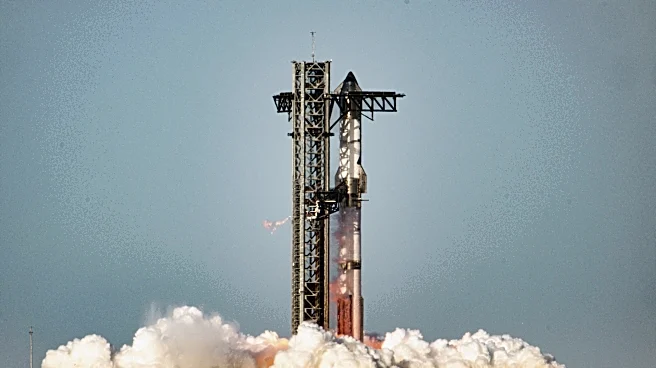
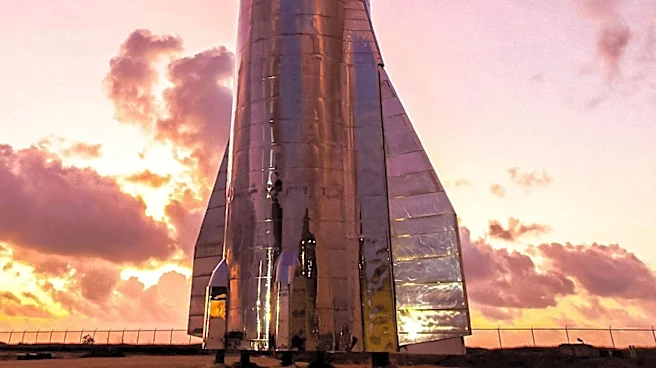
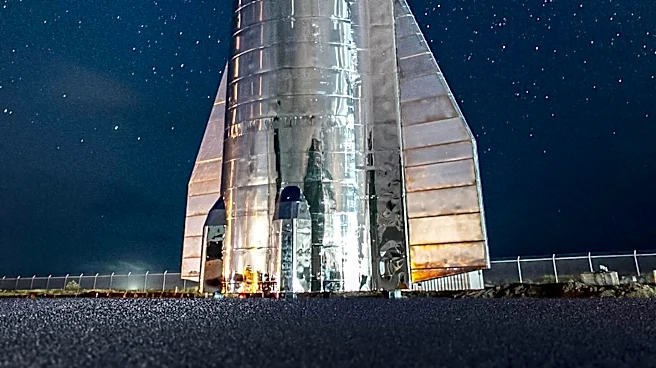
SpaceX is significantly ramping up production of its Starship rockets at its Starfactory facility in Starbase, Texas. The company is currently completing one Ship upper stage every two weeks and one Super Heavy booster every four weeks, with overlapping
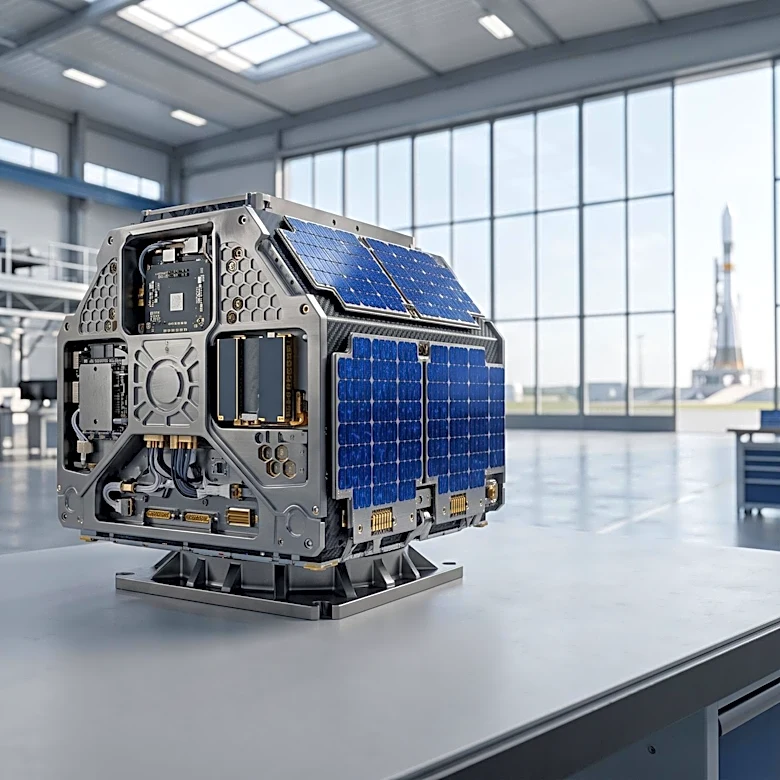
production allowing multiple rockets to be assembled simultaneously. The majority of these vehicles are intended to carry stacks of SpaceX's upgraded Starlink Version 3 (V3) satellites, which are designed to substantially increase the data capacity of the Starlink network. SpaceX officials indicate that each V3 Starlink stack adds data capacity equivalent to ten Falcon 9 Starlink launches. The company has adopted a manufacturing process inspired by the automotive industry, emphasizing efficiency and the reproduction of identical parts, though it maintains a balance between automation and human technicians to adapt to evolving designs. SpaceX CEO Elon Musk has expressed a goal of launching Starship approximately once a week starting in 2027.
Why It's Important?
This accelerated production rate for Starship is crucial for SpaceX's ambitious goals, particularly the rapid expansion of its Starlink satellite internet constellation and its lunar and Martian mission objectives. The ability to produce Starship components at such a high volume and frequency could significantly lower the cost of space access, making large-scale satellite deployment and deep-space exploration more economically viable. The automotive-inspired manufacturing approach represents a paradigm shift in aerospace production, potentially enabling unprecedented launch cadences. This could have profound implications for the satellite industry, scientific research, and national security, as it would allow for quicker deployment of new technologies and capabilities in space. Furthermore, the increased capacity of V3 Starlink satellites could enhance global internet connectivity, impacting underserved regions and creating new market opportunities.
What's Next?
SpaceX plans to dramatically increase Starship's launch cadence, with CEO Elon Musk targeting approximately one launch per week starting in 2027. The company is also expanding its assembly capabilities with the construction of Gigabay, a new facility approximately 700,000 square feet in size, designed to accommodate up to 24 vehicles simultaneously. This expansion is expected to further boost SpaceX's ability to assemble Ship and Super Heavy rockets. While the majority of current production is for Starlink deployment, SpaceX is also preparing a version of Starship for NASA's Artemis program, with a prototype featuring windows observed during a factory tour, indicating readiness for crewed lunar missions. The company's ability to meet its aggressive launch schedule will depend on continued manufacturing efficiency, successful test flights, and regulatory approvals.
Beyond the Headlines
The scale and speed of Starship production at Starfactory signal a potential industrial revolution in spaceflight, moving from bespoke, handcrafted rockets to mass-produced, assembly-line vehicles. This shift could democratize access to space, making it more routine and less of an extraordinary feat. The integration of automotive manufacturing principles into aerospace could inspire other industries to rethink their production methodologies for complex systems. However, this rapid pace also brings challenges, including ensuring quality control at scale, managing the environmental impact of frequent launches, and navigating the regulatory landscape for such a high volume of space traffic. The long-term vision of making rocket launches as ordinary as commercial airline flights could fundamentally alter human perception of space, transforming it from a distant frontier into a more accessible domain for commerce, science, and potentially, human settlement.