






What's Happening?
A townhouse located at 305 East 18th Street in Gramercy, New York City, is on the market for $5.25 million. This 3,200-square-foot, four-story home is currently configured as a live-work space, featuring office areas on the garden floor. The property,
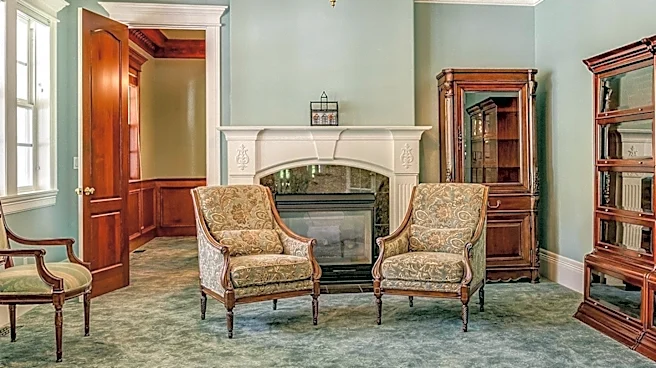
situated near Gramercy Park and Union Square, offers a blend of historic charm and modern amenities. The parlor floor boasts high ceilings, original crown moldings, marble mantels, and a wood balustrade. The living area includes a living room and a kitchen with a prep island, leading to a sunroom and patio. The third floor houses a primary suite with a renovated en-suite bath and a dressing room. The top floor contains three additional bedrooms and a full bath. The garden level provides private office space, a half bath, and laundry facilities, with access to a rear patio.
Why It's Important?
The sale of this Gramercy townhouse highlights the ongoing demand for versatile living spaces in urban areas, particularly in New York City. The live-work configuration appeals to professionals seeking to balance work and home life without a lengthy commute. This trend reflects broader shifts in real estate preferences, driven by the increasing acceptance of remote work. The property's location in a historic and desirable neighborhood adds to its appeal, potentially attracting buyers interested in both residential and investment opportunities. The ability to convert the space into a single-family home offers flexibility, catering to diverse buyer needs and contributing to the dynamic real estate market in the city.
What's Next?
Potential buyers may consider the property's adaptability as a significant advantage, especially in a post-pandemic world where remote work remains prevalent. The townhouse's location and features could attract interest from both local and international buyers. Real estate agents might focus on marketing the property's unique blend of historic charm and modern functionality. As the market continues to evolve, properties like this one could set a precedent for future urban housing developments, emphasizing the importance of flexible living arrangements.