








What's Happening?
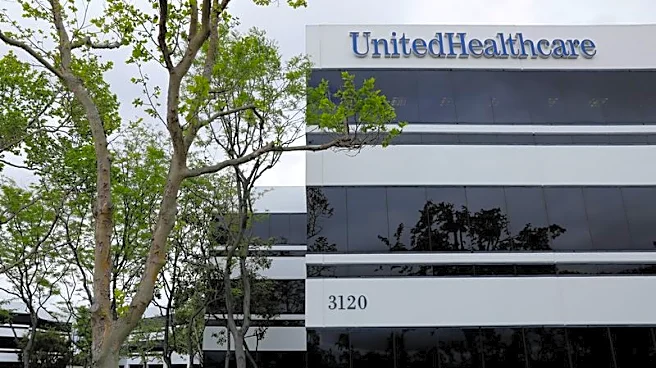
UnitedHealth Group has reported second-quarter earnings that surpassed Wall Street expectations, leading to an increase in its full-year profit outlook. The company, which is the largest private insurer in the U.S., has been managing high medical costs
and utilizing artificial intelligence to streamline operations. UnitedHealth now anticipates adjusted earnings for 2026 to be between $19.50 and $20 per share, up from a previous forecast of over $18.25 per share. Despite elevated medical costs, the company has managed to stabilize its revenue, which reached $112.03 billion, slightly above the expected $110.85 billion. The company's stock saw a significant rise of over 7% following the announcement. UnitedHealth's strategy includes restructuring and executive changes aimed at addressing industry challenges, as well as a $1.5 billion investment in AI to enhance efficiency and patient care.
Why It's Important?
The financial performance of UnitedHealth is significant as it reflects broader trends in the healthcare industry, particularly the challenges of managing rising medical costs. The company's ability to exceed earnings expectations and raise its outlook suggests effective cost management strategies, which could set a precedent for other insurers facing similar pressures. The use of AI to improve operational efficiency and patient care highlights a growing trend in the healthcare sector towards technology-driven solutions. This development could influence policy discussions around healthcare costs and insurance practices, impacting stakeholders such as patients, healthcare providers, and policymakers. Additionally, the company's performance may affect investor confidence and market dynamics within the healthcare sector.
What's Next?
UnitedHealth's future actions will likely focus on continuing its cost management strategies and further integrating AI into its operations. The company is expected to navigate ongoing challenges such as membership declines in ACA exchange plans and Medicare Advantage plans due to affordability issues. UnitedHealth's approach to these challenges, including potential adjustments in premiums and benefits, will be closely watched by industry analysts and competitors. The company's cooperation with the Department of Justice regarding Medicare billing practices will also be an area of interest, as any developments could have legal and financial implications. Stakeholders will be monitoring how UnitedHealth balances profitability with regulatory compliance and customer satisfaction.