

What's Happening?
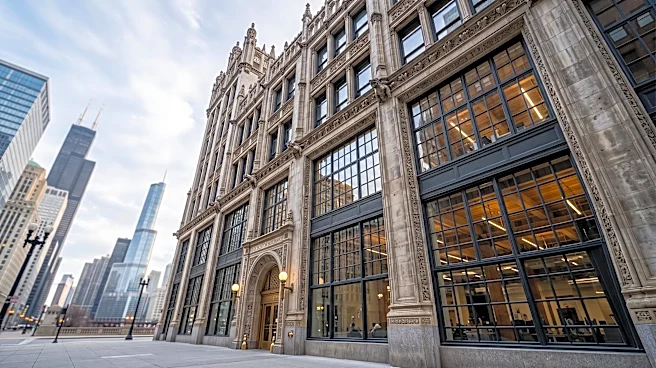
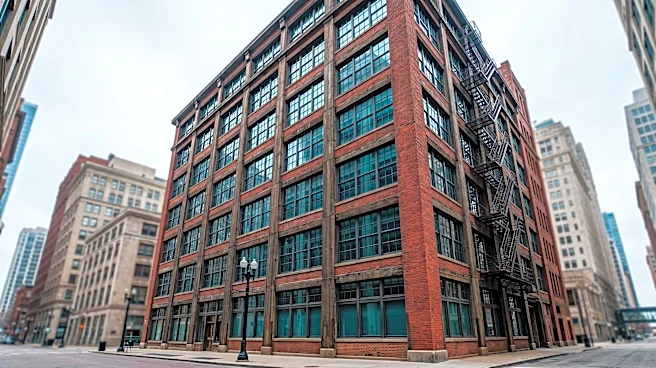
Senco Properties has proposed converting the seven-story office building at 601 S. LaSalle Street in Chicago into 70 apartments. The adaptive reuse plan, designed by FitzGerald, aims to transform the roughly 1912 heavy timber loft structure into residential
units while preserving its historic character. The proposal includes 8 studios, 28 one-bedroom units, 10 one-bedroom-plus layouts, 18 two-bedroom units, 5 three-bedroom units, and a single four-bedroom unit. Notably, the plan does not include retail space or car parking, instead offering 70 bike parking spaces for residents. The building's current use as office space would cease entirely under this proposal. The residential entrance would be on W. Harrison Street, leading to a ground-floor lobby and six residential units. The second and third floors would each house ten units, while floors four through seven would contain eleven units apiece. Basement amenities would include a fitness center, coworking space, dog wash, bike storage, and additional resident storage, with a tenant lounge and outdoor roof deck on the top floor. The developer requires approval from the Zoning Board of Appeals for a variation to eliminate the building's required loading space and a special use permit for multi-unit residential conversion.
Why It's Important?
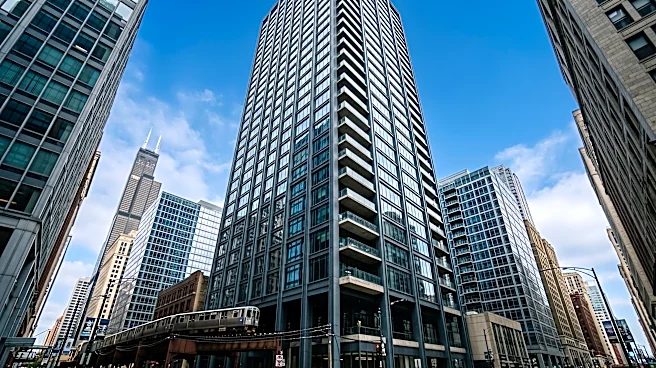
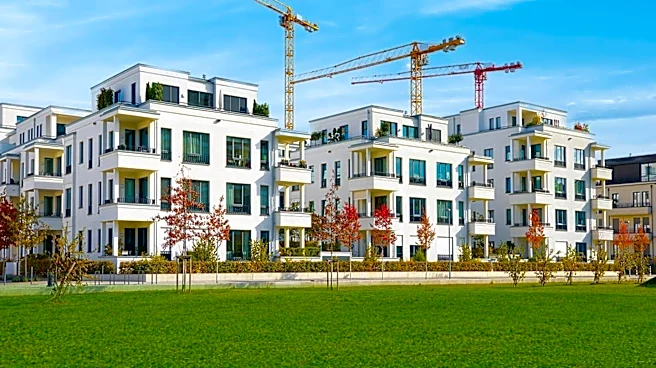
This proposed conversion is part of a broader trend in Downtown Chicago to transform vacant office spaces into residential units, addressing both high office vacancy rates and the demand for housing. As of June, 25 office-to-residential conversions were already underway Downtown, exceeding the total completed in the previous 20 years combined, according to the city's Department of Planning and Development. These conversions are projected to create over 3,900 housing units and eliminate 4 million square feet of vacant office space citywide. Downtown's direct office vacancy rate stands at 24.4%. The city's La Salle Street Corridor Revitalization program, which supports these conversions with tax increment financing, is expected to add over 1,000 apartments to the area. This shift helps revitalize urban centers by repurposing underutilized commercial properties, potentially increasing urban density, and providing diverse housing options. The lack of car parking in the Senco Properties proposal also reflects a growing emphasis on sustainable urban living and alternative transportation methods.
What's Next?
Senco Properties awaits approval from the Zoning Board of Appeals for two key requests: a variation to eliminate the building's required loading space and a special use permit to allow the conversion to multi-unit residential use. If these approvals are granted, the developer can proceed with permitting and construction. The outcome of this proposal will contribute to the ongoing transformation of Chicago's urban landscape, particularly within the La Salle Street Corridor. The city's Department of Planning and Development continues to support such initiatives, indicating a sustained effort to convert more vacant office spaces into residential properties. Future developments in this area will likely see more projects leveraging tax increment financing and other incentives to facilitate similar conversions, further shaping the city's housing market and urban planning strategies. The success of projects like 601 S. LaSalle could also influence other cities facing similar challenges with vacant office space.
Beyond the Headlines
The trend of converting office buildings into residential units highlights a significant shift in urban real estate, driven by changing work patterns and housing demands. This adaptive reuse not only addresses the issue of vacant commercial properties but also contributes to urban sustainability by repurposing existing structures rather than new construction. The absence of car parking in the 601 S. LaSalle proposal underscores a move towards more pedestrian- and bike-friendly urban environments, potentially reducing traffic congestion and carbon emissions. However, such conversions can also raise questions about affordability, as the availability of affordable units in these new developments is not always guaranteed. The Bellwether Residences, a comparable project, included 41 affordable apartments, setting a precedent for future developments. The long-term implications include potential changes in urban demographics, local business ecosystems, and the overall character of downtown areas as they transition from predominantly commercial to mixed-use districts.