






What's Happening?
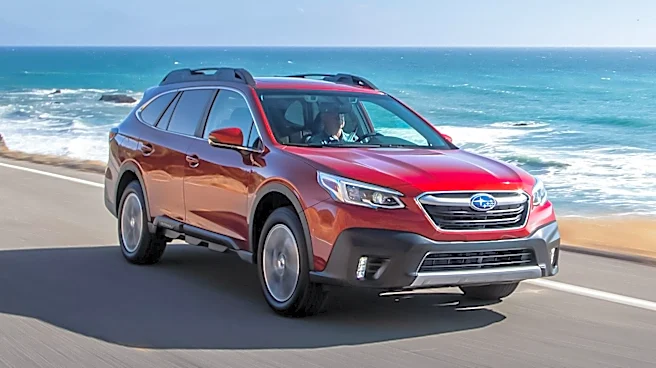
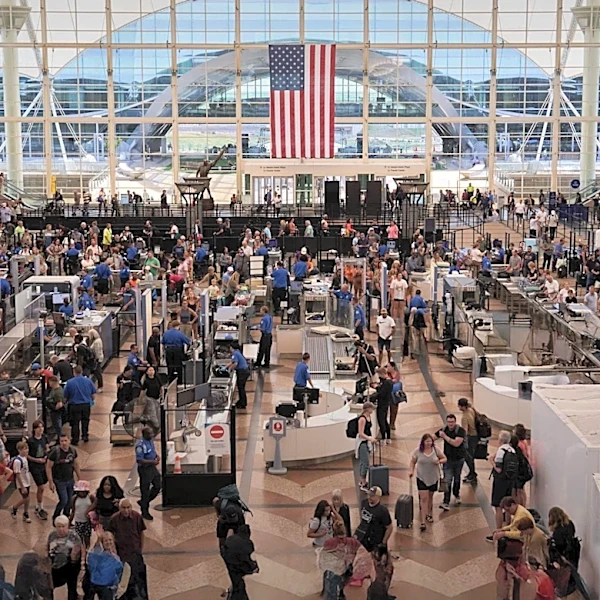
A recent study conducted by Subaru indicates that pets are increasingly influencing travel decisions among U.S. travelers. The survey found that nearly three-fourths of respondents are more inclined to drive than fly for their upcoming trips, primarily
to facilitate bringing their pets along. Furthermore, almost half of the travelers surveyed stated they would decline travel opportunities if their pets could not be accommodated. When specifically examining holiday travel, approximately 70 percent of individuals reported that their pets affect their holiday plans. This influence manifests in various ways, with 10 percent choosing to host holiday gatherings at home to avoid traveling with pets, and another 10 percent shortening or simplifying their holiday trips due to pet considerations. Christina Valente, Subaru’s Love Promise Community Commitment manager, noted that these findings underscore the deep connection pet parents across the country share with their animals, extending to holiday planning and travel choices.
Why It's Important?
This study highlights a significant shift in consumer behavior within the U.S. travel and automotive industries. The preference for driving over flying due to pet accommodation suggests a growing market for pet-friendly vehicles and road trip-oriented services. Airlines and public transportation providers may face increased pressure to adapt their pet policies or risk losing a substantial segment of travelers. The willingness of nearly half of travelers to forgo trips if their pets cannot join them indicates a powerful emotional and financial leverage pets hold over their owners' decisions. This trend could spur innovation in pet-friendly accommodations, services, and destinations, creating new economic opportunities while challenging traditional travel models. Businesses that recognize and cater to this pet-centric travel trend are likely to gain a competitive advantage, influencing marketing strategies and product development across various sectors.
What's Next?
The findings from Subaru's study are likely to prompt various industries to re-evaluate their strategies concerning pet owners. The automotive sector may further emphasize pet-friendly features in vehicle design and marketing. The hospitality industry, including hotels and vacation rentals, could expand pet-specific amenities and services to attract this growing demographic. Travel agencies and destination marketers might develop more tailored pet-inclusive travel packages and itineraries. Additionally, the airline industry may face renewed calls to review and potentially relax pet travel restrictions, especially for in-cabin options, to remain competitive. This trend could also lead to increased investment in pet care services at travel hubs, such as pet lounges or temporary boarding facilities, to cater to travelers who cannot bring their pets everywhere. The data suggests a continued rise in pet-inclusive travel, pushing businesses to adapt or risk being left behind.
Beyond the Headlines
The Subaru study reflects a broader societal trend of pets being increasingly integrated into family life, moving beyond mere companionship to becoming central figures in household decisions. This shift has profound implications for consumer spending patterns, as pet owners prioritize their animals' well-being and inclusion in all aspects of life, including leisure and travel. Ethically, it raises questions about the responsibility of industries to accommodate animal welfare in their services, moving beyond basic compliance to proactive integration. Legally, it could lead to discussions about standardized pet travel regulations across different modes of transport and jurisdictions. Culturally, the normalization of traveling with pets signifies a deeper emotional bond between humans and animals, influencing social norms and expectations around pet ownership. This evolving relationship is likely to drive long-term changes in urban planning, public spaces, and the design of consumer products and services, all aimed at fostering a more pet-inclusive society.