
What's Happening?
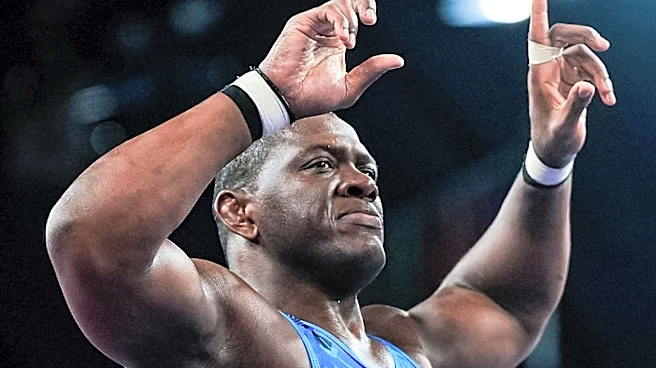
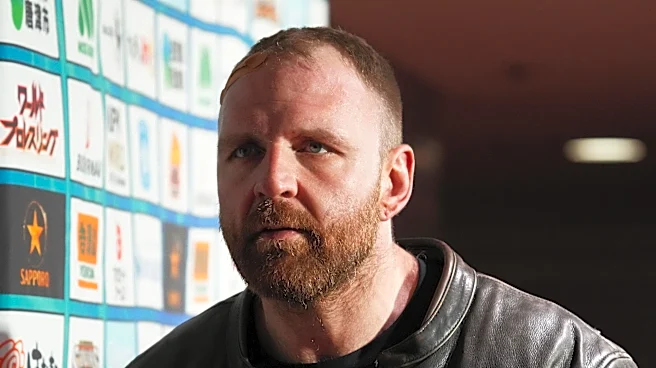
Swerve Strickland, a prominent figure in All Elite Wrestling (AEW), recently stated that the moment Darby Allin was 'drowned in an aquarium' during his 'I Quit' match against Jon Moxley at WrestleDream
2025 marked a point where AEW pushed its violent content too far. This revelation came during an interview where Strickland was asked about instances where AEW's on-screen violence might have crossed a line. AEW has a history of incorporating intense and sometimes controversial elements into its storylines and matches, with Strickland himself having been involved in several such moments, including a 'syringe spot' and an angle where a house was reportedly burned down. In the same interview, Strickland also characterized Darby Allin as the 'craziest' person he has shared a locker room with, citing Allin's unique reputation among his peers and even his personal living environment.
Why It's Important?
Strickland's comments highlight an ongoing discussion within professional wrestling regarding the balance between compelling, edgy storytelling and potentially excessive violence. For AEW, a company that has often differentiated itself with a more adult-oriented and physically intense product compared to some competitors, this feedback from an internal talent like Strickland is significant. It raises questions about the company's creative direction and the perception of its content among both performers and the audience. The 'aquarium drowning' incident, as described, suggests a level of simulated violence that could draw criticism from regulatory bodies, parent groups, or even a segment of its own fanbase, potentially impacting viewership, sponsorship deals, and the overall public image of the promotion. The characterization of Darby Allin also underscores the unique and often extreme nature of some AEW performers, which can be both a draw for fans seeking unconventional entertainment and a point of contention for those who prefer more traditional wrestling narratives.
What's Next?
The remarks by Swerve Strickland could prompt internal discussions within AEW's creative team regarding the boundaries of their on-screen violence and storytelling. While AEW has historically embraced a more hardcore style, public comments from its top talent about going 'too far' might lead to a re-evaluation of future extreme angles. Fans and critics will likely pay closer attention to the level of violence depicted in upcoming AEW events, particularly in matches involving performers known for their high-risk and intense styles like Darby Allin and Jon Moxley. The company may choose to either double down on its edgy content, viewing it as a unique selling point, or subtly adjust its approach to avoid further controversy and potential backlash. The perception of AEW's product, both within the wrestling community and among a broader audience, could be influenced by how it responds to these types of internal critiques.
Beyond the Headlines
The discussion around AEW's 'too far' moments touches upon broader themes of artistic freedom versus responsibility in entertainment. In professional wrestling, where the line between sport and spectacle is constantly blurred, the portrayal of extreme violence can be a powerful narrative tool but also a source of ethical debate. This incident, and Strickland's reaction, could contribute to a larger conversation about the psychological impact of such content on performers, the audience, and the industry's public image. It also highlights the evolving nature of what is considered acceptable or shocking in mainstream entertainment. The 'craziness' attributed to Darby Allin by a peer like Strickland might be seen as a testament to his dedication and willingness to push boundaries, but it also raises questions about the long-term physical and mental toll on athletes who consistently engage in such high-risk performances. This dynamic reflects the complex relationship between authenticity, entertainment, and the well-being of those involved in creating such spectacles.