





What's Happening?
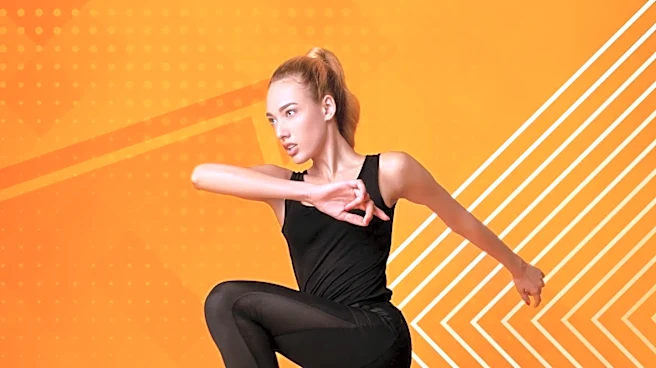
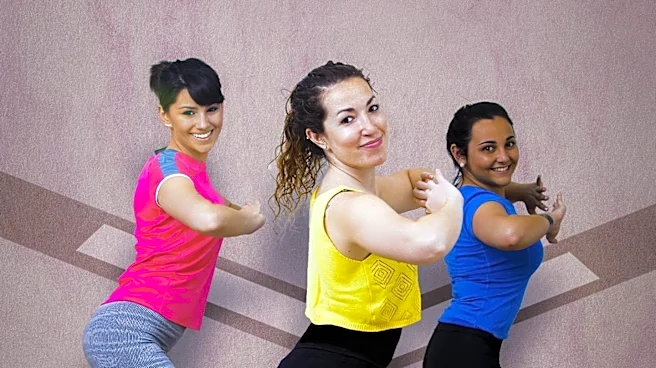
Zumba is a distinct branded dance fitness program that integrates cardio dance with choreographed movements and music. It draws heavily from Latin rhythms and international music, commonly incorporating styles such as salsa, merengue, and reggaeton. Classes
are led by certified instructors who have completed specific Zumba training and adhere to the established program guidelines. The program offers various formats, including Zumba Gold, tailored for older adults, Aqua Zumba, and Zumba Toning. Zumba is designed to deliver an energetic cardio workout that is accessible to individuals of all fitness levels, from beginners to more experienced dancers. While it shares similarities with broader dance fitness classes, Zumba maintains a recognizable overall format and a strong emphasis on Latin and international music influences.
Why It's Important?
Zumba's widespread popularity and structured approach have made it a significant player in the U.S. fitness industry. Its appeal lies in making exercise enjoyable and accessible, potentially attracting a broader demographic to physical activity. The program's emphasis on Latin and international music also introduces participants to diverse cultural elements, fostering a sense of community and global connection within fitness settings. For fitness centers and instructors, offering Zumba classes can be a key differentiator, drawing in members seeking a fun and effective workout. The various formats, such as Zumba Gold, demonstrate an inclusive approach to fitness, catering to specific age groups and needs, which can contribute to improved public health outcomes by encouraging active lifestyles across different demographics.
What's Next?
The continued evolution of Zumba is likely to involve further diversification of its formats and an expansion into new markets. As fitness trends shift, Zumba may integrate new music genres or dance styles to maintain its appeal and relevance. There could be an increased focus on digital platforms, offering virtual classes and on-demand content to reach a wider audience. The brand may also explore partnerships with health organizations or community programs to promote physical activity and well-being. Additionally, ongoing instructor training and certification will be crucial to maintaining the quality and consistency of the Zumba experience, ensuring that classes continue to be engaging and effective for participants.
Beyond the Headlines
Beyond its immediate fitness benefits, Zumba contributes to a broader cultural exchange by popularizing Latin and international music and dance forms in the U.S. It offers a unique blend of physical activity and cultural immersion, potentially fostering greater appreciation for diverse musical traditions. The program's success also highlights the psychological benefits of group exercise, such as stress reduction and enhanced social connection, which are vital for overall mental well-being. The branded nature of Zumba, with its specific training and program, also raises questions about intellectual property in the fitness industry and the balance between standardized instruction and instructor creativity. Its global reach underscores the universal appeal of music and movement as a means of promoting health and happiness.