
What's Happening?
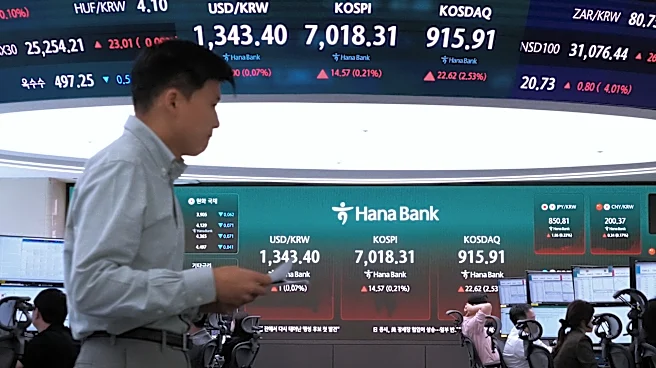
DeWitt County farmer and IL Corn Marketing Board director John Klemm recently participated in a trade mission to Japan with the U.S. Meat Export Federation (USMEF). This mission highlighted how U.S. meat
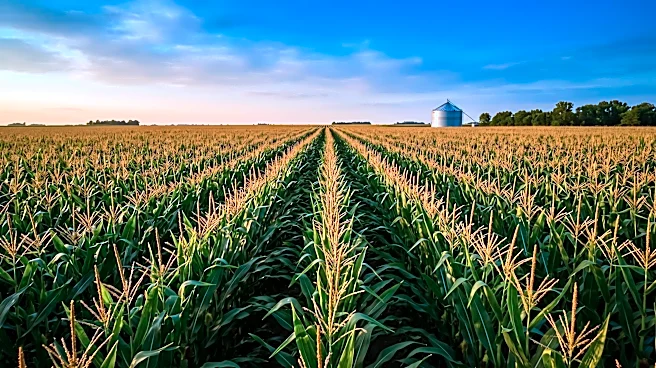
exports, particularly to Japan, directly impact the demand for Illinois corn. Klemm emphasized that livestock represents one of the largest end uses for corn, meaning that every pound of U.S. beef and pork sold overseas contributes to moving Illinois corn through the market. The trade mission included visits to processing facilities, the U.S. embassy, USDA representatives, a culinary school, and meetings with Japanese buyers. Klemm noted that Japanese consumers value different cuts of meat, such as beef tongue and other variety meats, which have low demand in the U.S. but are premium products in Japan, adding value to the entire carcass and, consequently, to the corn that fed the animals.
Why It's Important?
This initiative is crucial for the U.S. agricultural sector, particularly for corn farmers in Illinois. By investing in organizations like USMEF, the IL Corn Marketing Board expands its reach beyond domestic markets, creating international demand for corn through meat exports. This strategy helps stabilize and potentially increase corn prices, benefiting farmers like John Klemm. The trade mission's success in identifying new prospects and showcasing American products in Japan, a mature but growing market, underscores the importance of international trade relationships for U.S. agriculture. The differing consumer preferences in Japan, where less-demanded U.S. cuts are considered premium, illustrate how diverse global markets can maximize the value of agricultural products, ensuring that more parts of the animal are utilized profitably. This directly translates to a stronger market for corn, as it is a primary feed for livestock.
What's Next?
The USMEF's long-standing presence in Tokyo, nearly 50 years, suggests a continued focus on strengthening and expanding U.S. meat exports to Japan. The recent trade seminar and tasting event, which attracted over 500 buyers, indicates ongoing efforts to cultivate new business relationships and further penetrate the Japanese market. The success of events like the embassy-hosted celebration of America’s 250th anniversary, which showcased American products to thousands, points to future promotional activities aimed at increasing consumer awareness and demand. For Illinois corn farmers, continued investment in such trade missions will be essential to maintain and grow the international market for their product. John Klemm's personal harvest update, noting wetter corn and lower yields than expected, highlights the ongoing challenges farmers face, making robust export markets even more critical for their economic stability.
Beyond the Headlines
The trade mission to Japan reveals deeper economic and cultural interdependencies between the U.S. and its trading partners. The ability to export cuts of meat that are less popular domestically, but highly valued abroad, exemplifies how international trade can optimize resource utilization and enhance profitability for U.S. producers. This also highlights the role of cultural differences in shaping market demand and the importance of understanding these nuances for successful global trade. The long-term commitment of organizations like USMEF to mature markets like Japan demonstrates a strategic approach to maintaining stable export channels rather than solely focusing on emerging markets. This stability is vital for the long-term planning and financial health of U.S. agricultural communities, ensuring that the economic benefits of corn production extend beyond national borders.