







What's Happening?
The 2026 FIFA World Cup is generating varied demand for short-term rentals in U.S. host cities. According to AirDNA, cities like Dallas and Fort Worth have seen significant increases in bookings, with demand surging by 27% and 45% respectively. Miami
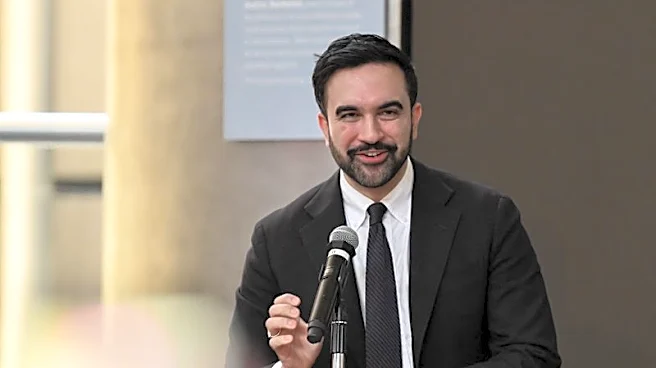
has also experienced a 40% year-over-year jump. However, New York, despite being a major hub for the games, has seen a 5% drop in demand on matchdays. This mixed demand is attributed to the nature of the event, with last-minute bookings becoming common as teams advance. Stephen Shapiro from South Carolina’s Department of Sport and Entertainment Management notes that while some matches draw large crowds, overall demand may have been overestimated.
Why It's Important?
The varying demand for accommodations during the World Cup highlights the economic impact of major sporting events on local economies. Cities experiencing increased bookings may see a boost in local business revenues, while those with lower demand, like New York, could face economic shortfalls. The situation underscores the challenges of accurately predicting demand for large-scale events and the potential financial risks for cities and businesses involved. Additionally, the high ticket prices and expanded tournament format may limit accessibility for fans, potentially affecting long-term interest in the sport.
What's Next?
As the World Cup progresses, cities will continue to monitor booking trends and adjust strategies to maximize economic benefits. Stakeholders may need to address pricing strategies and accessibility to ensure broader participation and interest. The outcomes of this event could influence planning and expectations for future international sporting events hosted in the U.S.