


What's Happening?
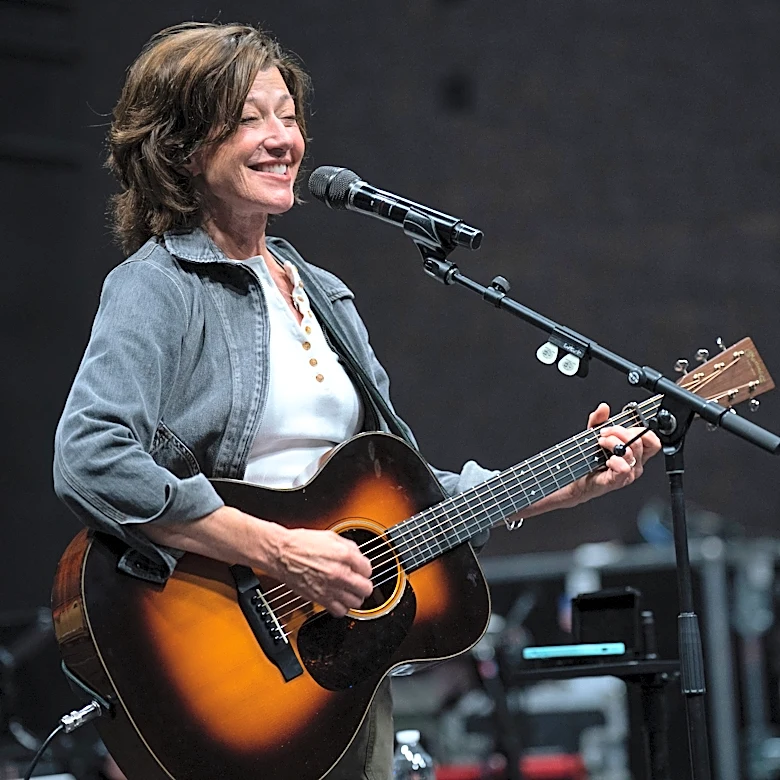
Hispanic and Latino culture is increasingly shaping country music, with artists like Ana Cristina Cash, Angie K, and Andrea Vasquez leading the charge. Ana Cristina Cash, married to John Carter Cash, seamlessly blends her Latin influences with country,
as evidenced in her bilingual album 'Sunshine State.' Angie K, an El Salvador-born, Georgia-raised singer-songwriter, integrates her heritage into her music, gaining recognition after appearing on 'The Voice' and co-founding the Country Latin Association. Andrea Vasquez, a Mexican American from LA, also incorporates Latin sounds into her country music and hosts the 'Latina in Nashville' podcast. These artists, along with others, are contributing to a significant shift in the genre, which has seen a substantial increase in Hispanic listenership. The Hispanic Entertainment Alliance (HEA), founded by Jackie Martinez Marushka, further supports this movement by connecting and providing opportunities for Hispanic and Latine creatives in the entertainment industry.
Why It's Important?
The growing influence of Hispanic and Latino artists in country music signifies a significant cultural and economic shift within the U.S. entertainment industry. This trend broadens the appeal of country music to a more diverse audience, potentially increasing listenership and revenue streams. The establishment of organizations like the Country Latin Association and the Hispanic Entertainment Alliance (HEA) provides crucial infrastructure for networking, mentorship, and career development for Latine creatives, addressing historical underrepresentation. This integration reflects changing demographics in the U.S. and the increasing demand for music that resonates with diverse cultural backgrounds. It also challenges traditional genre boundaries, fostering innovation and new musical expressions. The success of bilingual albums and artists who blend different styles demonstrates a market appetite for cultural fusion, which can lead to new artistic movements and commercial opportunities for both established and independent artists.
What's Next?
The continued growth of Hispanic and Latino influence in country music is expected to lead to more diverse artists gaining mainstream recognition and increased representation in industry events and awards. Organizations like the Country Latin Association and the Hispanic Entertainment Alliance Charitable Fund will likely expand their initiatives, offering more educational programs, internships, and showcases to support emerging talent. This could result in a richer, more varied sound within country music, attracting an even broader global audience. We may also see more collaborations between artists from different cultural backgrounds, further blurring genre lines. The success of artists like Ana Cristina Cash and Angie K will likely inspire a new generation of Latine musicians to pursue careers in country music, ensuring the continued evolution and diversification of the genre.
Beyond the Headlines
This cultural shift in country music extends beyond mere musical trends, reflecting deeper societal changes in the U.S. It highlights the evolving identity of American culture, where diverse heritages are increasingly intertwined and celebrated. The integration of Hispanic influences into a traditionally Anglo-centric genre like country music challenges long-standing cultural narratives and promotes inclusivity. This movement can foster greater understanding and appreciation of different cultures among audiences, breaking down stereotypes and building bridges. Ethically, it underscores the importance of representation and equitable opportunities in creative industries. The long-term impact could be a more vibrant and representative cultural landscape, where music truly reflects the rich tapestry of American society, influencing not only entertainment but also broader social discourse and identity.