




What's Happening?
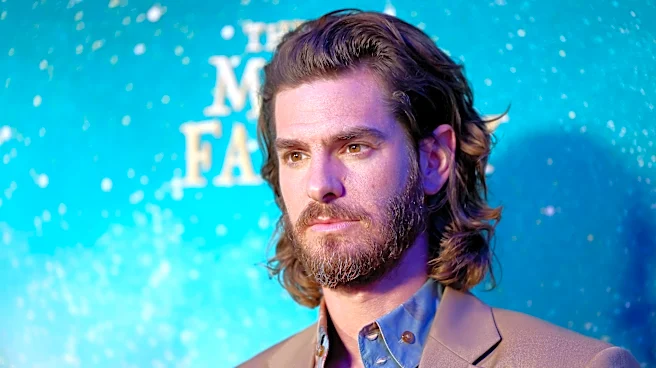
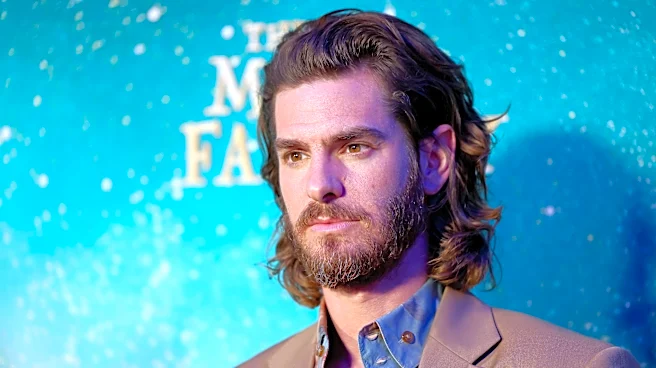
Actor Andrew Garfield has drawn a parallel between the corrupting influence of the One Ring from 'Lord of the Rings' and the unchecked power of emerging artificial intelligence technologies. Speaking at a panel discussion for his new film 'Artificial'
at SFFilm, where he portrays Sam Altman, Garfield expressed his curiosity about the drive for wealth and power among companies in the current capitalist landscape, particularly concerning new technologies. He questioned the ability of AI companies to wield immense, exponentially growing power without succumbing to its corrupting effects. The film 'Artificial' is set to be released on December 25 and explores the tumultuous events surrounding Sam Altman's firing and rehiring at OpenAI, where the board initially gained control before Altman's return. Garfield's comments highlight a growing concern within the entertainment industry and beyond regarding the ethical implications of rapid AI development and its potential societal impact.
Why It's Important?
Garfield's comparison underscores a significant ethical debate surrounding the development and deployment of artificial intelligence. By invoking the potent metaphor of the One Ring, he emphasizes the potential for immense power to corrupt even those with good intentions, a concern frequently voiced by ethicists and technologists alike. This perspective from a prominent public figure can help to broaden public discourse beyond technical advancements to include the moral and societal responsibilities of AI developers and corporations. The film 'Artificial' itself, by dramatizing the internal power struggles at a leading AI company, further brings these complex issues to a mainstream audience, potentially influencing public perception and regulatory discussions about AI governance. The analogy serves as a cautionary tale, suggesting that without proper safeguards and ethical frameworks, the pursuit of AI dominance could lead to unforeseen and detrimental consequences for society.
What's Next?
The release of 'Artificial' on December 25 is likely to further fuel discussions about the ethical dimensions of AI, especially given its focus on the internal dynamics of a major AI company. Andrew Garfield's public statements, coupled with the film's narrative, could prompt more public figures and industry leaders to engage in conversations about responsible AI development. This could lead to increased calls for greater transparency, accountability, and ethical guidelines within the AI sector. Furthermore, the film's portrayal of power struggles within OpenAI might encourage a closer examination of corporate governance structures in AI companies and the potential for conflicts of interest. The ongoing dialogue initiated by such cultural contributions could influence future policy decisions and public attitudes towards AI's role in society.
Beyond the Headlines
Garfield's analogy taps into a deeper cultural anxiety about technological progress outpacing ethical consideration. The 'Lord of the Rings' reference resonates because it speaks to a universal human struggle with power and its corrupting influence, suggesting that AI is not merely a technological challenge but a profound moral one. This framing moves beyond the technical capabilities of AI to its potential impact on human nature and societal structures. It implicitly questions whether current capitalist models, which prioritize rapid growth and competition, are conducive to the responsible development of such powerful technologies. The discussion also touches upon the idea of 'late-stage capitalism' and its role in driving this unchecked pursuit of technological dominance, hinting at systemic issues that extend beyond individual companies or technologies. This broader critique suggests that addressing the ethical challenges of AI may require a re-evaluation of fundamental economic and societal values.