



What's Happening?
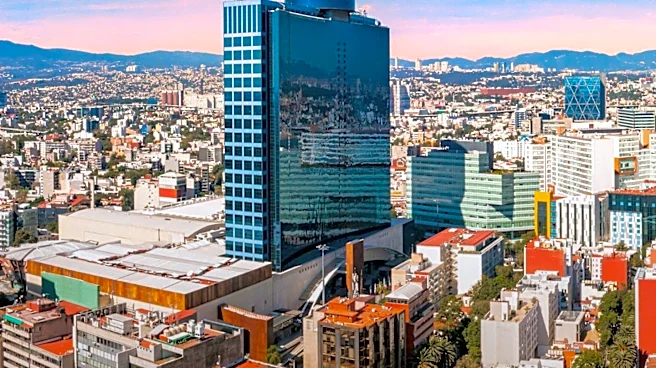
Mexico City, the oldest capital city in the Americas, originally founded by the Aztecs and later rebuilt by the Spanish in the 16th century, continues to thrive as a significant cultural, educational, and financial center. The city is characterized by a blend
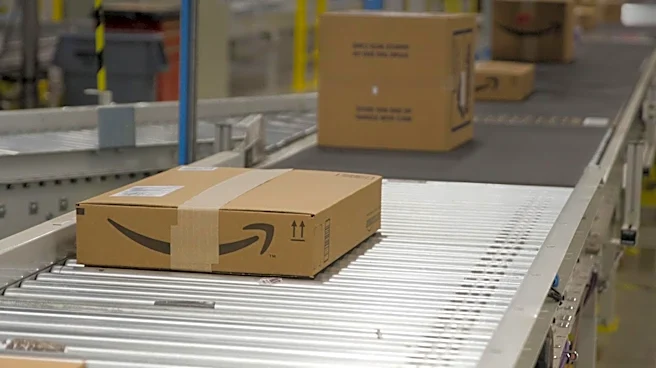
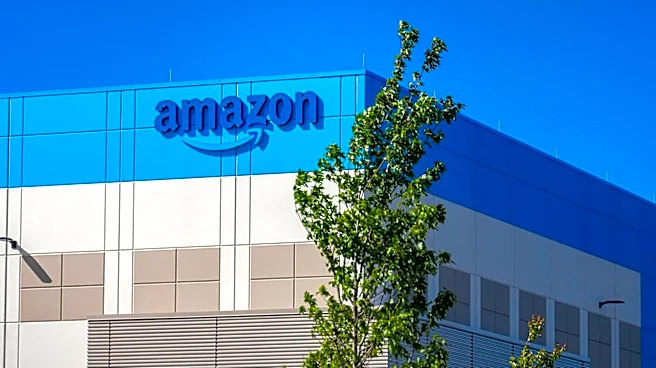
of colonial architecture and modern skyscrapers, offering a rich cultural landscape with numerous museums and galleries. Traditional markets coexist with contemporary urban developments. Amazon has established a substantial presence in Mexico City, operating modern offices that house nearly 2,000 staff members and two fulfillment centers. These facilities contribute to the city's economic activity and provide employment opportunities, reflecting Mexico City's role as a key location for international businesses.
Why It's Important?
Mexico City's status as a cultural, educational, and financial hub makes it a critical center for regional development and international engagement. The presence of major corporations like Amazon underscores the city's economic importance and its attractiveness for investment and job creation. This concentration of business activity, combined with its rich cultural heritage, positions Mexico City as a dynamic urban environment. The city's ability to integrate historical significance with modern economic growth provides a model for other developing urban centers. The employment opportunities generated by companies like Amazon contribute to the local economy and workforce development, further solidifying Mexico City's role as a gateway to Mexican culture and commerce.
What's Next?
Mexico City is expected to continue its growth as a major urban center, attracting further investment and development. The ongoing presence and expansion of companies like Amazon suggest a sustained focus on e-commerce and logistics within the region. The city's cultural calendar, including events like the Day of the Dead celebrations, will likely continue to draw tourists and contribute to the local economy. Future developments may include further integration of technology and infrastructure to support its growing population and economic activities. The city's blend of tradition and modernity will likely continue to evolve, offering new opportunities for residents and businesses alike.
Beyond the Headlines
Beyond its economic and cultural significance, Mexico City represents a fascinating case study in urban resilience and adaptation. Its historical layers, from Aztec origins to Spanish colonial influence and modern development, create a unique urban fabric. The city's ability to maintain its cultural identity while embracing global economic trends highlights a broader narrative of how ancient cities navigate contemporary challenges. The co-existence of traditional markets and international corporate offices reflects a complex interplay of local heritage and globalized commerce. This dynamic environment also presents challenges related to urban planning, infrastructure, and social equity, as the city strives to balance growth with the preservation of its unique character.