



What's Happening?
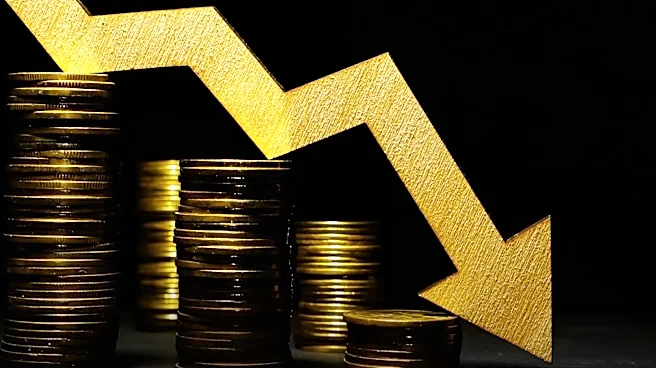
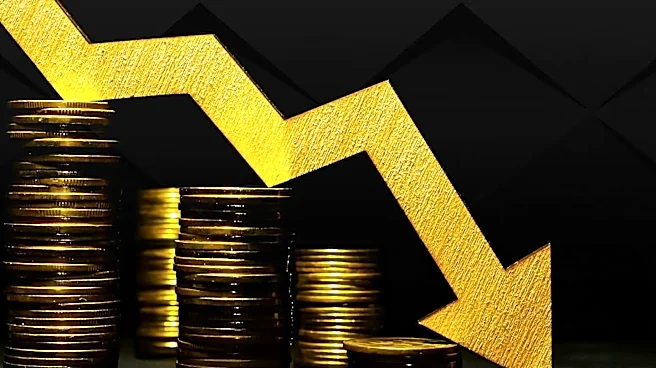
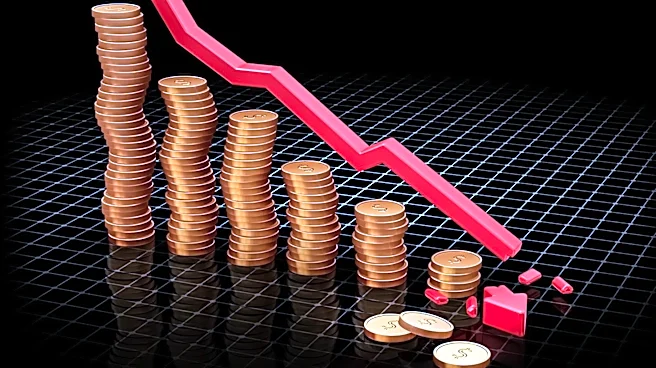
Spot gold and silver prices experienced declines in early U.S. trading, extending previous losses. Gold is near its lowest level in over a year, while silver saw heavier selling. This downturn is attributed to a firm U.S. dollar, elevated Treasury yields,
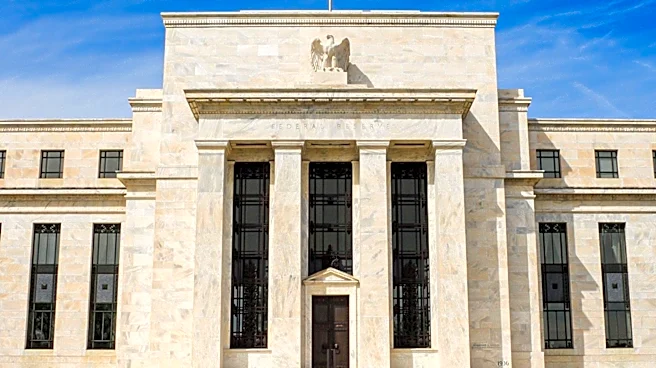
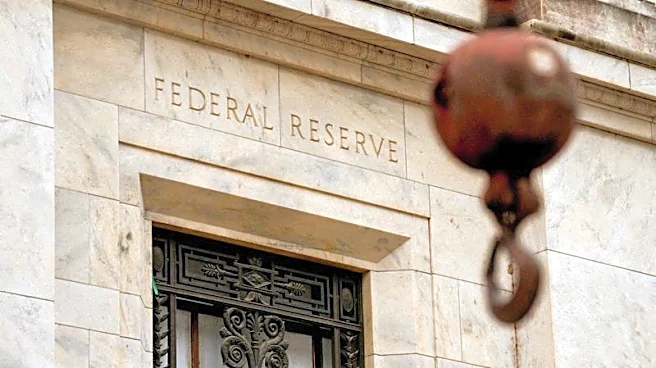
and increased expectations for another Federal Reserve interest rate hike. The CME FedWatch assessment indicates approximately a 90% probability of a 25-basis-point increase and a 10% probability of a 50-basis-point move at the upcoming December 8-9 meeting. Last week, gold declined by approximately 4.5%. Investors are closely monitoring remarks from Fed Chair Kevin Warsh and upcoming economic data, including October retail sales, industrial production figures, and minutes from the October Fed meeting, for further clues on monetary policy. Stronger consumption or hawkish Fed commentary could reinforce expectations for further tightening, while weaker economic data might offer some relief to precious metals.
Why It's Important?
The current decline in gold and silver prices reflects the significant influence of U.S. monetary policy and the strength of the dollar on precious metals markets. Higher interest rates increase the opportunity cost of holding non-yielding assets like gold and silver, making them less attractive to investors. A strong U.S. dollar also makes these commodities more expensive for international buyers, further dampening demand. This situation impacts investors who rely on precious metals as a hedge against inflation or economic instability. The Federal Reserve's hawkish stance, driven by persistent underlying cost pressures as indicated by recent inflation data, suggests a continued period of tighter monetary conditions. This environment poses challenges for the precious metals sector, potentially leading to further price volatility and a re-evaluation of investment strategies by market participants. The interplay between inflation, interest rates, and currency strength remains a critical factor for the U.S. economy and global markets.
What's Next?
The market's focus remains squarely on the Federal Reserve's upcoming decisions and communications. Investors will scrutinize Fed Chair Kevin Warsh's remarks and the minutes from the October FOMC meeting for any signals regarding the future trajectory of interest rates. Key economic indicators, such as retail sales and industrial production, will also play a crucial role in shaping market expectations. If the Fed maintains a hawkish stance and economic data remains strong, gold and silver could face continued downward pressure. Conversely, any signs of weakening economic activity or a less aggressive Fed approach could provide a catalyst for a rebound in precious metal prices. The technical support levels for gold and silver will be closely watched, as a sustained break below these levels could signal further declines.
Beyond the Headlines
The current market dynamics for gold and silver extend beyond immediate price movements, reflecting broader shifts in investor sentiment and economic paradigms. The sustained pressure on precious metals due to rising interest rates and a strong dollar challenges the traditional role of gold as a primary safe-haven asset. This could lead to investors exploring alternative hedges or re-allocating capital to other asset classes perceived to offer better returns in a high-interest-rate environment. Furthermore, the situation highlights the global interconnectedness of financial markets, where U.S. monetary policy decisions have ripple effects on commodity prices worldwide. The long-term implications could include a re-evaluation of portfolio diversification strategies and a greater emphasis on understanding the nuanced relationship between macroeconomic indicators and asset performance. The ongoing geopolitical tensions, particularly in the Strait of Hormuz, also add a layer of complexity, as they could trigger renewed safe-haven demand despite the prevailing monetary policy pressures.