








What's Happening?
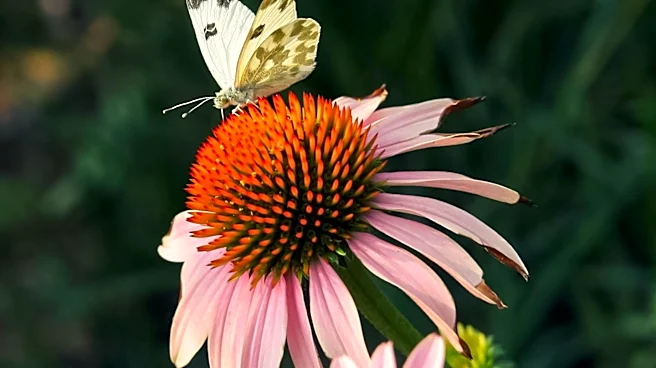
In Illinois, the summer season brings a vibrant display of orange wildflowers, including the butterfly milkweed and trumpet vine. These native plants are not only visually striking but also play a crucial role in the local ecosystem by attracting pollinators
such as hummingbirds, butterflies, and bees. The butterfly milkweed, in particular, serves as a host plant for monarch butterflies, supporting their life cycle. Despite their beauty, some orange flowers like the trumpet vine can be toxic to humans, requiring caution when handling.
Why It's Important?
The presence of these orange wildflowers is vital for maintaining biodiversity and supporting pollinator populations, which are essential for the health of ecosystems and agriculture. The butterfly milkweed's role in the monarch butterfly's life cycle highlights the interconnectedness of plant and animal species. Additionally, understanding the color preferences of pollinators can inform conservation efforts and gardening practices, promoting the growth of native plants that support local wildlife.
Beyond the Headlines
The study of flower colors and their evolution offers insights into the complex relationships between plants and pollinators. The adaptation of certain flowers to attract specific pollinators while deterring others illustrates the intricate balance of nature. This knowledge can contribute to broader ecological studies and efforts to preserve native plant species in the face of environmental changes.