






What's Happening?
The market for Medical Device and Equipment Certification is experiencing significant demand, primarily from manufacturers, distributors, and healthcare providers across North America, Europe, and Asia-Pacific. This demand is fueled by increasingly stringent
regulatory frameworks, a heightened focus on patient safety, and continuous technological advancements in medical devices. Key players in this competitive landscape include SGS, Nemko, Intertek, and TÜV SÜD, each offering specialized expertise. SGS is recognized for its extensive testing capabilities and global reach, particularly in regions with strict regulatory compliance like Europe and North America. Nemko focuses on safety and performance testing, serving the European market for CE marking. Intertek provides quality assurance and regulatory certification with a strong presence in Asia and North America, while TÜV SÜD emphasizes innovation and technology assessment across Europe and Asia. Buyers evaluate suppliers based on regulatory compliance expertise, past certification results, turnaround times, comprehensive support, reputation, cost-effectiveness, and the range of services offered, including pre-market assessments and post-market surveillance.
Why It's Important?
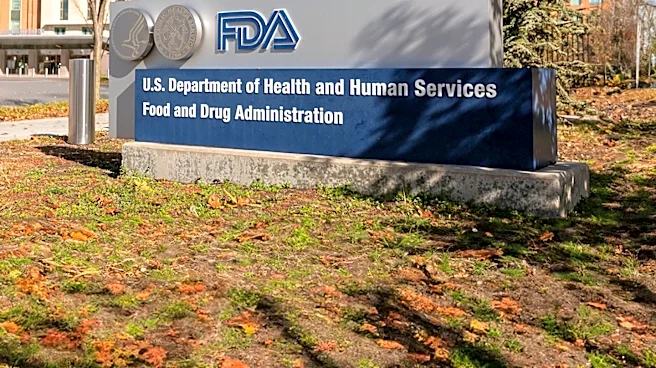
The robust demand for medical device certification is crucial for ensuring the safety and efficacy of healthcare products reaching consumers in the U.S. and globally. Stringent regulatory frameworks, such as those enforced by the FDA in the U.S., necessitate rigorous certification processes, which directly impact market access and product viability for manufacturers. This focus on compliance helps protect patients from faulty or unsafe devices, thereby reducing healthcare risks and costs associated with product recalls or adverse events. For U.S. manufacturers, selecting the right certification partner is vital for navigating complex international regulations, facilitating market entry into diverse regions, and maintaining competitiveness. The expertise offered by certification bodies in areas like quality assurance, risk management, and technology assessment directly contributes to the innovation and reliability of medical devices, fostering trust among healthcare providers and patients. Companies that fail to meet these certification standards risk significant financial penalties, reputational damage, and exclusion from key markets.
What's Next?
The medical device certification market is expected to continue its growth trajectory, driven by ongoing technological advancements and evolving global regulatory landscapes. For instance, China's National Medical Products Administration is set to implement updated Good Manufacturing Practice requirements for medical devices in November 2026, which will likely influence global standards and practices. This indicates a trend towards more harmonized yet stringent regulations worldwide, requiring certification bodies to continuously adapt their services and expertise. Manufacturers will need to stay abreast of these changes and proactively engage with certification suppliers that offer comprehensive support and regional coverage. The competitive landscape among certification providers may also intensify as they vie to offer specialized services, faster turnaround times, and broader geographical reach to meet the diverse needs of medical device companies. Furthermore, the increasing complexity of medical devices, particularly those incorporating AI and advanced software, will necessitate new certification methodologies and expertise.
Beyond the Headlines
The emphasis on medical device certification extends beyond mere regulatory compliance; it underpins the ethical responsibility of manufacturers to ensure patient well-being. The rigorous testing and validation processes involved in certification are critical for building public trust in medical technologies, which is paramount in a sector directly impacting human health. This also highlights a broader trend in healthcare towards greater accountability and transparency from product conception to post-market surveillance. The role of certification bodies is evolving from simply being compliance gatekeepers to strategic partners that help manufacturers innovate responsibly. Furthermore, the global nature of the medical device market means that certification standards often influence international trade and collaboration, fostering a more interconnected and regulated global healthcare ecosystem. The continuous evolution of these standards also pushes the boundaries of quality control and risk management, setting higher benchmarks for product development across various industries.