






What's Happening?
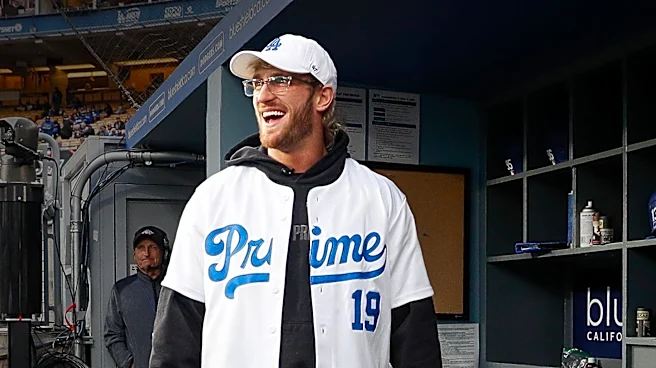
Logan Paul, co-founder of the beverage brand Prime, has publicly stated that he made a significant financial error by not selling a portion of the company when it was at its peak. According to Paul, during an interview on the PBD Podcast, there was a window
of opportunity for a private-equity investment that could have valued the company at $500 million. He estimates that by not pursuing an exit or bringing in an acquisition partner at that time, he missed out on at least $100 million. Prime Hydration achieved considerable success, generating over $1 billion in global retail sales within two years of its launch. However, its popularity and sales have since seen a decline, transitioning from a strong competitor to a more middling influencer brand.
Why It's Important?
This situation highlights the volatile nature of influencer-backed brands and the critical importance of timing in business decisions, particularly regarding investment and acquisition opportunities. For entrepreneurs and investors in the U.S., Paul's admission serves as a cautionary tale about capitalizing on peak market valuation. The rapid rise and subsequent decline in Prime's market position demonstrate how quickly consumer trends can shift, especially in the competitive beverage industry. It underscores the challenge of sustaining initial hype and converting it into long-term, stable growth. The missed $100 million opportunity also reflects the potential financial consequences of holding onto a venture past its optimal selling point, impacting personal wealth and the brand's overall trajectory.
What's Next?
While Paul has expressed regret over the missed opportunity, the future strategy for Prime remains to be seen. The brand will likely need to re-evaluate its market position and potentially pivot its marketing or product development to regain momentum. For Paul, this experience may influence his future entrepreneurial endeavors, possibly leading to more aggressive strategies for securing investments or considering exits at opportune times. The beverage market, particularly for youth-oriented and influencer-driven products, will continue to be highly dynamic, requiring constant innovation and adaptability. Other influencer brands may take note of Prime's trajectory, potentially leading to more proactive engagement with private equity or acquisition partners earlier in their growth cycles.
Beyond the Headlines
The narrative surrounding Prime and Logan Paul extends beyond mere business figures, touching upon the broader phenomenon of influencer economics. The initial success of Prime was largely fueled by Paul's massive online following, demonstrating the immense power of social media personalities to drive consumer trends and create instant demand. However, the subsequent decline suggests that celebrity endorsement alone may not guarantee sustained market relevance without robust product innovation and strategic business management. This case also raises questions about the long-term viability of brands built primarily on transient internet fame and the ethical considerations of promoting products to a young, impressionable audience. It underscores the evolving landscape where digital influence translates into tangible economic impact, but also carries significant risks.