


What's Happening?
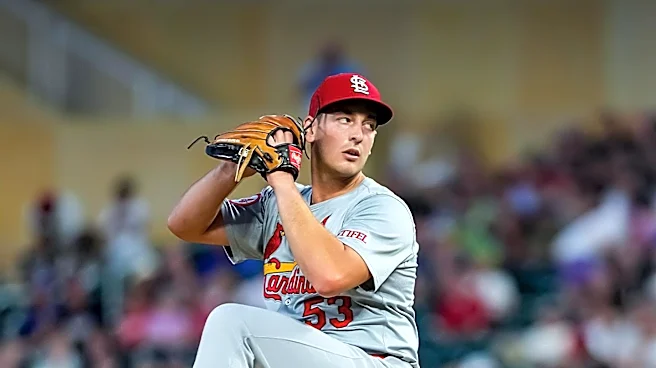
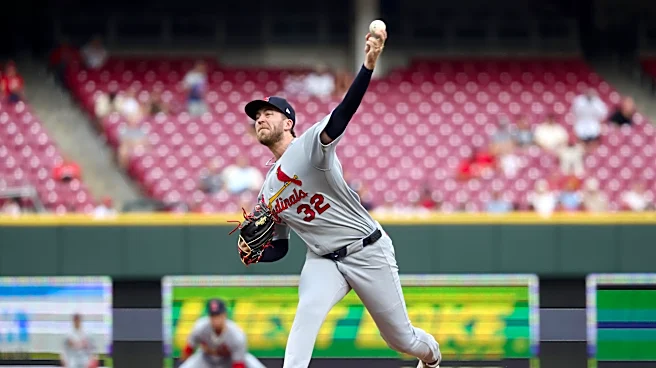
The St. Louis Cardinals are actively seeking to bolster their pitching rotation by considering several free agent starters. This comes after recent injuries to Andre Pallante and Hunter Dobbins, which have created a significant gap in their innings capacity.
The team has already utilized much of its Triple-A depth and traded Dustin May, necessitating an external search for pitching talent. While they recently signed veteran lefty Josh Fleming to a minor league deal, the Cardinals are exploring other options to provide more innings. Prospects like Cooper Hjerpe, returning from Tommy John surgery, are being managed carefully, and Kyle Leahy is under an innings restriction. The team needs pitchers who can go deeper into games to complement their existing roster, which includes Michael McGreevy, Quinn Mathews, and Matthew Liberatore. The Cardinals are evaluating pitchers with varying career trajectories and recent performance issues, aiming to identify those who could benefit from the team's player development and performance group.
Why It's Important?
The Cardinals' pursuit of free agent pitchers highlights a critical challenge faced by many MLB teams: managing pitching depth and responding to unexpected injuries. A strong and reliable starting rotation is fundamental to a team's success over a long season, directly impacting their ability to compete for playoff spots. For the Cardinals, who have already delved into their minor league resources, finding effective external solutions is crucial to maintaining competitiveness. The decision to sign a free agent, especially one with a recent history of struggles or injuries, involves a calculated risk. It underscores the importance of a robust player development system that can identify and rehabilitate talent, potentially turning a struggling pitcher into a valuable asset. The success or failure of these acquisitions will significantly influence the team's performance in the current season and could impact their strategic approach to player recruitment in the future. This situation also reflects the broader market dynamics for pitching talent, where teams often have to choose between high-upside, high-risk options and more stable, but potentially less impactful, veterans.
What's Next?
The St. Louis Cardinals are expected to continue evaluating and potentially signing one or more of the free agent pitchers currently on their radar. The immediate next step will involve further assessment of candidates like Lance McCullers Jr., Michael Lorenzen, German Marquez, and Marco Gonzales. Each of these pitchers presents a unique set of circumstances, including injury histories, recent performance dips, and potential for resurgence. The Cardinals' player development and performance group will play a crucial role in determining if they can unlock the potential of these players and help them overcome their recent struggles. Any signing would likely involve a minor league deal initially, allowing the team to assess the pitcher's form and fitness before a potential call-up to the major league roster. The team's urgency to fill the innings gap suggests that a decision could be made relatively quickly, as the season progresses and the need for reliable starters becomes more pressing. The performance of any newly acquired pitcher will be closely monitored, as it will directly impact the team's ability to manage their pitching staff and compete effectively.
Beyond the Headlines
The Cardinals' current predicament extends beyond simply filling roster spots; it reflects a broader trend in professional baseball where pitching injuries are increasingly common, forcing teams to constantly adapt their strategies. The reliance on free agents with checkered pasts or recent performance issues highlights the scarcity of readily available, high-performing pitching talent. This situation also underscores the evolving role of analytics and player development in modern baseball. Teams are increasingly investing in sophisticated systems to identify underlying potential in players who might be underperforming due to various factors, including mechanics, pitch selection, or mental approach. The success of the Cardinals in rehabilitating a struggling pitcher could serve as a testament to their organizational strength and ability to maximize player value. Conversely, a failed acquisition could expose weaknesses in their scouting or development processes. This scenario also touches upon the financial implications of such signings, as teams weigh the cost-effectiveness of taking a chance on a veteran free agent versus developing internal prospects. The long-term health and sustainability of pitching rotations remain a significant challenge and a key area of focus for MLB organizations.