






What's Happening?
As daylight hours diminish, particularly after daylight saving time ends, seniors are being encouraged to engage in cozy hobbies to counteract potential mood dips and maintain cognitive health. Reduced sunlight exposure can disrupt the body's internal
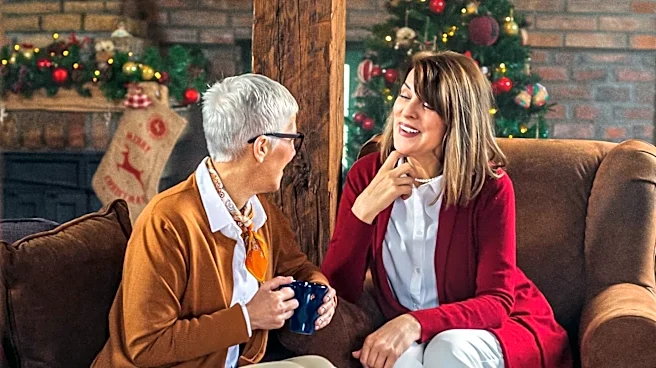
clock, leading to lower serotonin levels and disrupted sleep-wake cycles, which may result in feelings of sluggishness or unmotivation. For some, this seasonal shift can manifest as Seasonal Affective Disorder (SAD), characterized by oversleeping, low energy, carbohydrate cravings, and social withdrawal. Engaging in hobbies, spending time outdoors when possible, and maintaining social connections are recommended strategies to improve mood during these months. Koelsch Senior Communities emphasizes that this season offers an opportunity to slow down and rediscover comforting pursuits. Recommended activities include tactile crafts like knitting and painting, mentally stimulating tasks such as puzzles and journaling, and social engagements like video calls or book clubs. Restorative hobbies like reading, slow cooking, and tea rituals are also highlighted for their calming benefits.
Why It's Important?
The promotion of cozy hobbies for seniors addresses a significant public health concern related to seasonal changes and their impact on mental and cognitive well-being. As the senior population grows, strategies to maintain their quality of life and prevent conditions like SAD become increasingly vital. By encouraging engagement in low-physical-demand, mentally stimulating, and socially connective activities, there is a potential to mitigate the negative effects of reduced daylight, such as decreased mood and cognitive decline. This initiative can lead to improved mental health outcomes, reduced social isolation, and enhanced cognitive function among older adults. For healthcare providers and senior living communities, these recommendations offer practical, non-pharmacological interventions to support residents' overall health, potentially reducing the need for more intensive medical interventions related to mood disorders or cognitive decline. The emphasis on adaptability ensures that hobbies can be tailored to individual abilities and living situations, promoting inclusivity and sustained engagement.
What's Next?
Senior living communities and healthcare providers are likely to continue integrating and promoting these types of activities into their programming, especially during the fall and winter months. There may be an increased focus on creating structured routines around these hobbies to ensure consistent engagement, particularly for individuals living alone. Educational campaigns could further inform seniors and their families about the biological impacts of shorter days and the benefits of proactive engagement in comforting activities. Additionally, there might be a push for more accessible resources, such as virtual book clubs or online crafting tutorials, to support seniors with limited mobility or those who prefer to stay at home. The long-term goal will be to foster environments where seniors can consistently find purpose, comfort, and connection, regardless of the season, thereby enhancing their overall well-being and reducing the prevalence of seasonal mood disturbances.
Beyond the Headlines
Beyond the immediate benefits of improved mood and cognitive function, the emphasis on 'slow living' through cozy hobbies for seniors reflects a broader societal shift towards valuing well-being and intentional living. In an increasingly fast-paced world, encouraging older adults to embrace slower, more reflective activities can serve as a model for all age groups. This approach highlights the importance of non-productive, restorative pursuits for mental health, challenging the constant pressure for productivity. Ethically, it underscores a commitment to holistic care for seniors, recognizing their emotional and intellectual needs alongside physical ones. Culturally, it reinforces the value of traditional crafts, reading, and community engagement, potentially fostering intergenerational connections as families participate in or support these activities. This focus on 'cozy' engagement could also influence urban planning and community design, leading to more senior-friendly spaces that encourage quiet reflection and social interaction, ultimately contributing to a more compassionate and supportive society for its aging population.