






What's Happening?
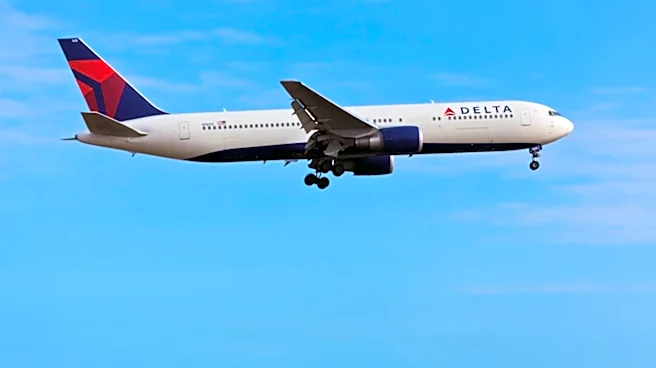
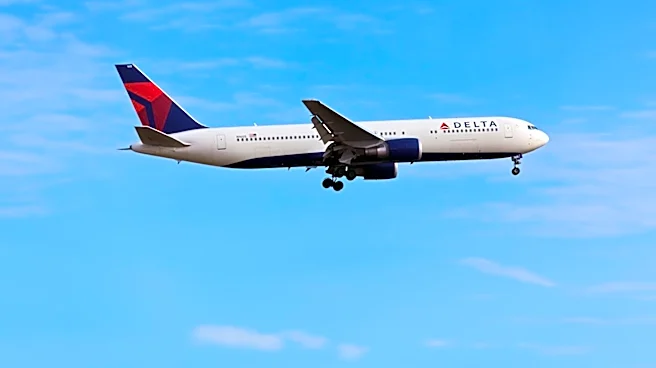
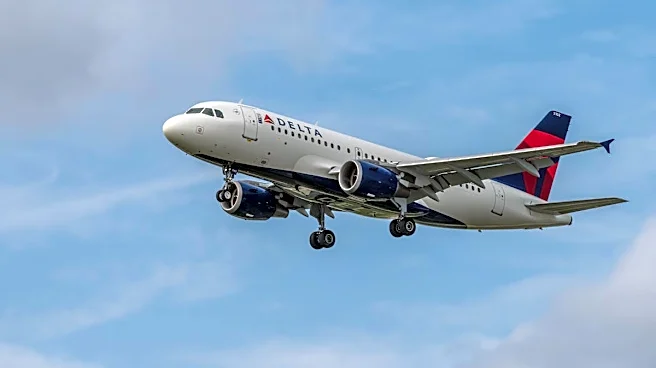
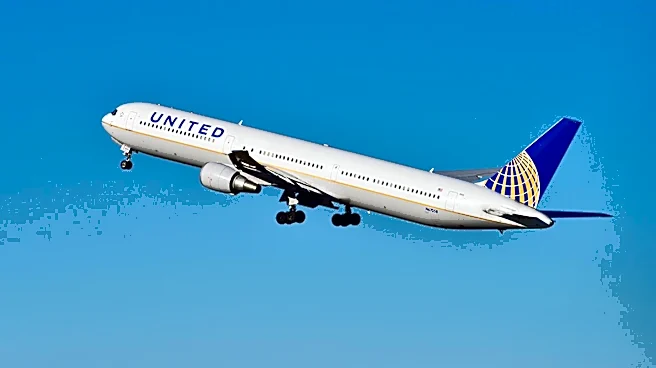
United Airlines, Delta Air Lines, and JetBlue Airways are rolling out new, lower-priced first-class fares that come with fewer benefits and more restrictions. Delta First Basic launched on selected routes on July 8, while United First Base is set to debut
in the fall, and JetBlue is preparing BlueFirst Base. These new offerings maintain the first-class seat and onboard service but remove traditional perks such as complimentary seat selection, multiple checked bags, and flexible itinerary changes. For instance, United First Base will require payment for seat selection, limit checked baggage to one, impose cancellation fees, and reduce mileage earning. Similarly, Delta First Basic includes restrictions like paid advance seat selection in some cases, a single checked bag, a $300 change or cancellation fee for U.S. or Canadian trips, and reduced mileage earning. JetBlue’s BlueFirst Base follows this trend with change and cancellation fees, paid standby, and a significant reduction in points earning. This strategy aims to increase ancillary revenue for the airlines.
Why It's Important?
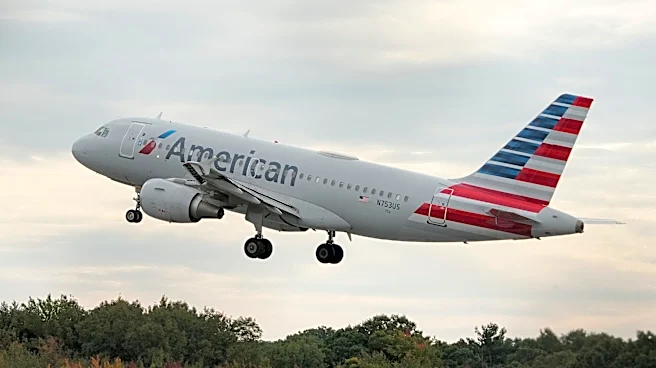
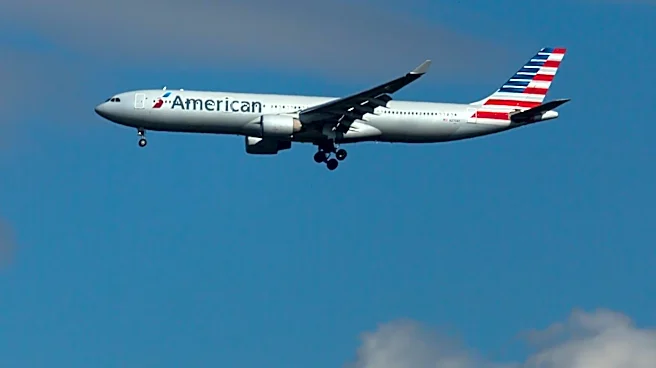
This shift by major U.S. airlines to unbundle first-class benefits marks a significant change in the premium travel market. Historically, first-class tickets offered a comprehensive package of comfort and convenience, including flexibility and generous baggage allowances. By introducing 'basic' first-class fares, these airlines are adopting a model previously associated with low-cost carriers, where a larger seat is sold separately from other premium services. This move could lead to increased ancillary revenue for United, Delta, and JetBlue, as passengers will now pay extra for services that were once included. However, it also creates an opportunity for American Airlines to differentiate itself by maintaining a more traditional, all-inclusive first-class experience. If American Airlines chooses not to follow this trend, it could position its first-class offering as a more seamless and value-driven option, potentially attracting premium travelers who are frustrated by the new restrictions imposed by competitors. The long-term impact could be a redefinition of what 'first class' means in the U.S. airline industry, with a greater emphasis on granular pricing and optional add-ons.
What's Next?
The introduction of these new basic first-class fares will likely lead to a period of adjustment for both airlines and consumers. United First Base is scheduled to roll out in the fall, and JetBlue's BlueFirst Base is also in preparation, meaning more passengers will soon encounter these new restrictions. American Airlines will be closely watched to see if it maintains its current first-class offering or if it eventually adopts a similar unbundling strategy. The success of these new fares will depend on how passengers perceive the value proposition of a cheaper first-class seat with fewer benefits. There could be a segment of travelers willing to pay less for just the larger seat, while others may seek out carriers that still offer a more comprehensive premium experience. The airline industry may see increased competition based on the clarity and simplicity of premium offerings, rather than just the physical seat itself. This could also lead to further segmentation of the premium travel market, with different tiers of first-class service becoming more common.
Beyond the Headlines
The unbundling of first-class benefits reflects a broader trend in the airline industry towards price discrimination and maximizing revenue from every component of the travel experience. While airlines aim to sell empty premium seats to customers unwilling to pay the standard fare without discounting for those who would, this strategy carries inherent risks. By eroding the traditional value proposition of first class, airlines might inadvertently diminish the aspirational appeal of premium travel. If the experience becomes too similar to economy class with added fees, customers may become less willing to pay a significant premium, potentially trading down to coach or choosing competitors that offer a more straightforward and inclusive experience. This could lead to a long-term shift in consumer expectations for premium travel, where the focus moves away from a luxurious, all-inclusive package towards a more customizable, à la carte model. The ethical implications of charging extra for services previously considered standard in first class, such as seat selection and baggage, could also become a point of contention for consumers.