



What's Happening?
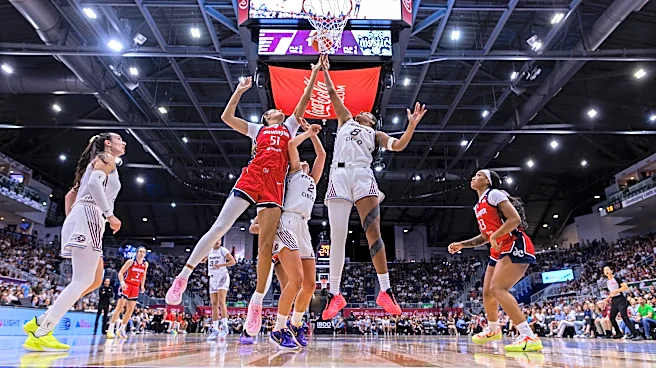
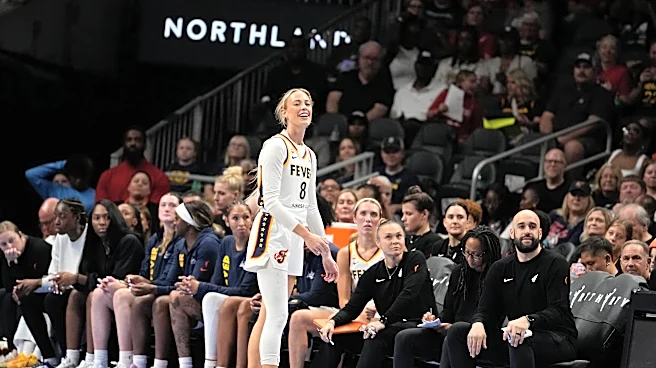
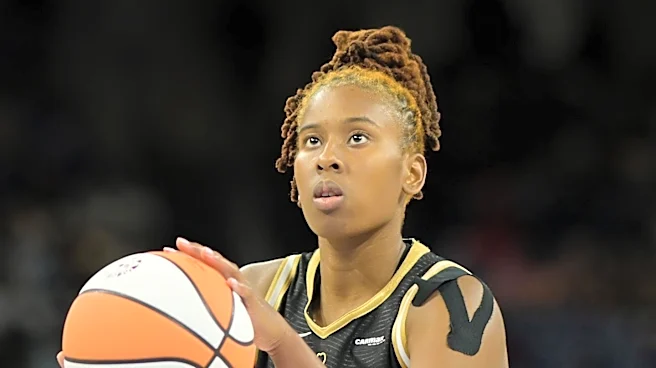
WNBA player Sophie Cunningham was reportedly booed by the crowd in Toronto, Canada, during a game. The booing is believed to stem from previous comments Cunningham made regarding the protection of young girls in sports and locker rooms, specifically her
stance against biological men competing in women's sports. Despite the negative reception, Cunningham performed well, successfully making all three of her attempted 3-pointers, contributing to the Fever's 101-95 victory. Following the game, Cunningham acknowledged the crowd, stating that receiving both boos and cheers is part of sports, and expressed her enjoyment of the experience.
Why It's Important?
This incident highlights the ongoing cultural and political tensions surrounding gender identity and sports, particularly within professional women's leagues like the WNBA. Cunningham's comments and the subsequent crowd reaction underscore a broader societal debate about fairness, inclusion, and the definition of women's sports. Her response, characterized by a focus on her performance and a pragmatic view of crowd reactions, could be seen as a model for athletes navigating controversial topics. The event also brings attention to the intersection of athlete activism, fan engagement, and the commercial aspects of professional sports, where players' personal views can significantly impact their public reception and potentially influence team dynamics and league narratives. The situation reflects a growing trend of athletes using their platforms to express opinions on social issues, which in turn can polarize fan bases and create unique challenges for sports organizations.
What's Next?
The WNBA and its players may continue to face similar situations as discussions around gender and sports evolve. Athletes like Cunningham might continue to express their views, potentially leading to further reactions from fans and other public figures. The league may need to consider how to manage these situations to maintain a cohesive environment while respecting individual freedoms of speech. This event could also prompt further dialogue within sports communities about the role of athletes in social commentary and the expectations placed upon them by the public and their organizations. Future games involving players with strong public stances on controversial issues could see similar crowd responses, indicating a sustained period of navigating these complex social dynamics within professional sports.
Beyond the Headlines
The incident transcends a simple sports event, touching upon deeper societal questions about free speech, gender identity, and the evolving landscape of public discourse. It illustrates how personal beliefs, even when expressed outside the immediate context of a game, can significantly impact an athlete's professional environment and public perception. The reaction from the Toronto crowd and Cunningham's subsequent comments reflect a broader cultural divide, where differing views on gender and sports can lead to passionate and sometimes confrontational exchanges. This situation also raises questions about the responsibility of sports leagues and teams to support their athletes while also managing the diverse opinions of their fan bases. The event serves as a microcosm of larger debates occurring globally, where traditional views clash with contemporary understandings of identity and inclusion, making sports a prominent arena for these discussions.