




What's Happening?
Guobin No.7 Residence, located in Chengdu, Sichuan Province, China, has been recognized with an Honourable Mention in the 2026 WLA Awards for Built Commercial Residential Landscape Design. This project, situated next to the historic Jinniu Hotel and Tianfu
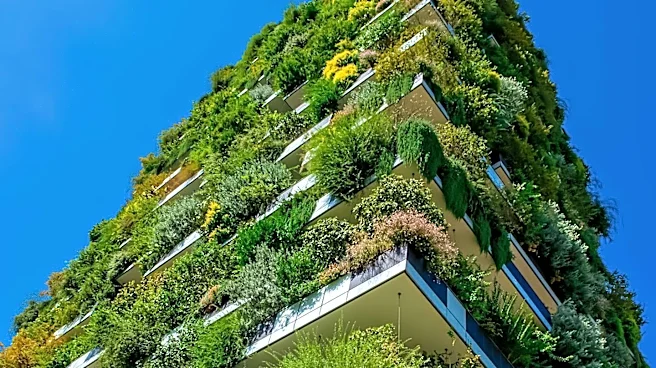
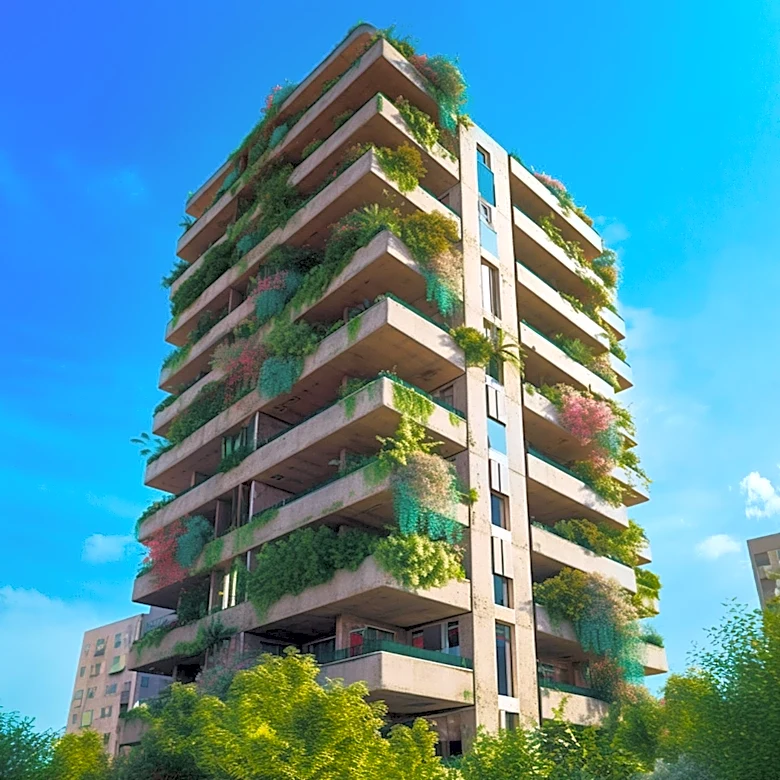
Art Park, aims to integrate urban living with a garden environment. The design reinterprets traditional Western Sichuan courtyards, forests, and water elements through a contemporary lens to create ultra-luxury urban living spaces. The masterplan features a windmill-like building arrangement that creates multiple courtyards and maintains significant distances between residential blocks. A key strategy involves allowing the landscape to extend vertically into the architecture, with trees and planting reaching window lines to enhance the garden living experience for residents. The project emphasizes forest, courtyard, and water as primary landscape elements, carefully calibrating view orientations across 168 residences to ensure each has a framed relationship with greenery.
Why It's Important?
The Guobin No.7 Residence project signifies a growing trend in urban development towards integrating extensive natural elements within high-density living environments. This approach, while implemented in China, offers a model for U.S. urban planners and developers seeking to enhance quality of life and property value in metropolitan areas. By blurring the boundaries between architecture, landscape, and interior life, such developments can attract affluent buyers looking for tranquility and connection to nature without sacrificing urban amenities. The emphasis on regional character and contemporary design also highlights the potential for culturally sensitive yet modern architectural solutions. For the U.S. real estate market, this could inspire similar luxury residential projects that prioritize green spaces and sustainable design, potentially influencing future zoning laws and urban planning strategies to incorporate more ecological systems into cityscapes.
What's Next?
The success and recognition of projects like Guobin No.7 Residence may encourage further innovation in urban landscape architecture globally, including in the U.S. Developers and landscape architects might increasingly explore how to integrate natural elements vertically and horizontally within urban residential projects. This could lead to a greater demand for specialized landscape design firms capable of executing complex ecological systems within architectural frameworks. Future urban developments in the U.S. could see a rise in 'forest retreat' or 'garden living' concepts, particularly in high-end markets, as consumers increasingly value wellness and nature integration in their living spaces. This trend could also spur research and development in urban forestry and sustainable building materials to support such ambitious green initiatives.
Beyond the Headlines
Beyond its architectural and landscape design achievements, Guobin No.7 Residence reflects a deeper cultural shift towards valuing natural immersion even within bustling urban centers. This project demonstrates how traditional regional aesthetics can be modernized to meet contemporary demands for luxury and tranquility. The concept of 'urban seclusion' suggests a desire among city dwellers to escape the constant stimulation of urban life without leaving the city itself. This could have long-term implications for urban design philosophy, promoting a more holistic approach that considers mental and physical well-being as integral to residential development. Ethically, such projects raise questions about equitable access to green spaces in cities, as ultra-luxury developments often cater to a select few. However, the design principles could potentially be adapted for broader application, fostering more livable and sustainable urban environments for a wider population.