




What's Happening?
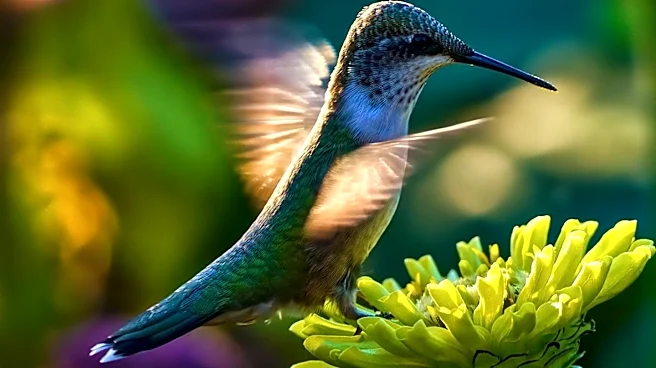
As August arrives, hummingbirds become increasingly active in gardens across the U.S., preparing for their migration journey. Gardeners are encouraged to support these birds by providing essential resources such as nectar-rich flowers and clean feeders.
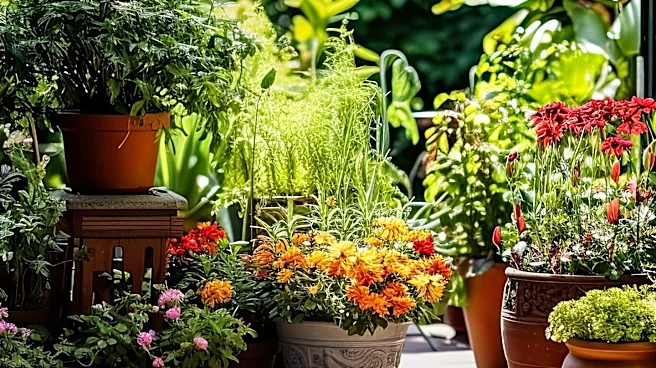
Experts suggest maintaining a garden environment that offers food, water, and shelter to attract and sustain hummingbird populations. This includes planting late-season nectar-giving flowers and ensuring feeders are filled with a sugar-water solution. Additionally, providing water features like misters can help hummingbirds cope with the summer heat. The advice comes from avian specialists and ornithologists who emphasize the importance of consistency in creating a welcoming habitat for these birds.
Why It's Important?
Supporting hummingbirds during their migration is crucial for their survival and the ecological balance they help maintain. Hummingbirds play a significant role in pollination, and their presence in gardens can enhance biodiversity. By following expert recommendations, gardeners can contribute to the conservation of these species, which face challenges such as habitat loss and climate change. The actions taken by individuals can have a broader impact on the environment, promoting healthier ecosystems. Moreover, engaging in such conservation efforts can raise awareness about the importance of protecting wildlife and inspire community involvement in environmental stewardship.
What's Next?
Gardeners are advised to continue their efforts throughout the migration season, which extends into the fall. As hummingbirds prepare for their journey south, maintaining a supportive environment will be essential. This includes keeping feeders up until October and ensuring a continuous supply of nectar and water. The migration period also presents an opportunity for community education and engagement, as more people become interested in wildlife conservation. Future initiatives may focus on expanding habitat restoration projects and increasing public awareness about the challenges faced by hummingbirds and other pollinators.
Beyond the Headlines
The conservation of hummingbirds highlights broader environmental issues, such as the impact of climate change on migratory patterns and the importance of preserving natural habitats. As gardeners take steps to support these birds, they also contribute to a larger movement towards sustainable gardening practices. This shift can lead to long-term benefits for both wildlife and human communities, fostering a deeper connection with nature. Additionally, the popularity of hummingbird-friendly gardens can drive demand for native plants and eco-friendly gardening products, influencing market trends and encouraging sustainable consumer behavior.