








What's Happening?
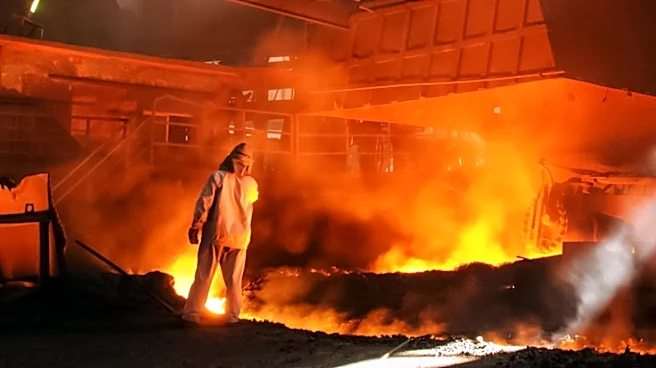
The U.S. steel industry is currently navigating a complex landscape of shifting tariffs and trade policies that could significantly impact domestic steel producers. Recent developments include new Section 301 proposals and the expiration of Section 122,
alongside fresh investigations into key inputs like coking coal. These changes could alter the cost structures and supply dynamics for U.S. steel companies. Notably, Alpha Metallurgical Resources, a major U.S. mining company, is positioned at the center of these changes. The company produces metallurgical coal, a critical component for steelmaking, and could see its products become more attractive if tariffs make imported pig iron and coking coal less viable for domestic steelmakers. Other companies like Metallus and Materion are also affected, with potential benefits from increased demand for domestic products due to tighter controls on imported raw materials.
Why It's Important?
The shifting tariff landscape is crucial for the U.S. steel industry as it directly affects the cost of raw materials and the competitive positioning of domestic producers. Companies like Alpha Metallurgical Resources could benefit from increased demand for domestic coal if tariffs make imports less attractive. However, these changes also introduce risks, such as potential cost increases and supply chain disruptions. For investors, understanding these dynamics is essential as they could influence stock valuations and investment strategies. The broader economic implications include potential impacts on employment in the steel sector and related industries, as well as on the prices of steel products, which could affect sectors ranging from construction to automotive manufacturing.
What's Next?
As the U.S. government continues to evaluate and implement tariff changes, steel producers and investors will need to closely monitor policy developments. Companies may need to adjust their supply chains and pricing strategies in response to new tariffs and trade policies. Additionally, there could be increased lobbying efforts from industry groups seeking to influence policy decisions in their favor. The outcome of ongoing investigations into key inputs like coking coal will also be critical in shaping the future landscape of the U.S. steel industry.