







What's Happening?
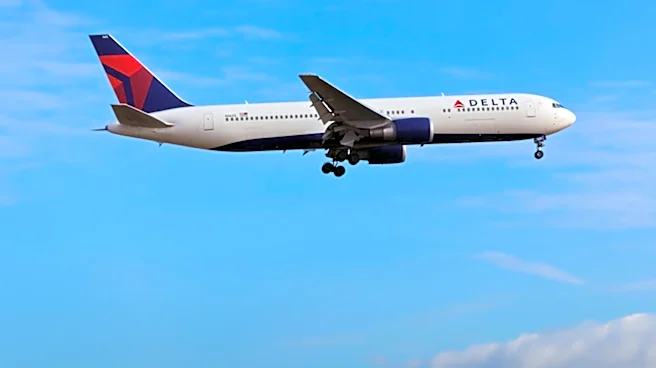
Delta Air Lines is set to implement its most extensive schedule to date from Los Angeles International Airport (LAX) starting in summer 2026. The airline aims to become the leading carrier at LAX by significantly increasing its operations, including new
routes, higher frequencies on existing services, and an expanded premium cabin offering. This strategic move involves launching new nonstop services to destinations such as Philadelphia, Charleston, and Fort Lauderdale, alongside boosting frequencies on high-demand business routes like Los Angeles to New York's John F. Kennedy International Airport. Delta also plans to enhance its transpacific network from LAX by adding service and capacity to Asia and the South Pacific, leveraging partnerships with joint venture partners including Korean Air, Virgin Atlantic, LATAM, and Aeromexico. The expansion emphasizes a premium-heavy strategy, deploying widebody aircraft on selected domestic transcontinental routes with Delta One suites, Delta Premium Select, and Comfort Plus seating, and offering access to a dedicated Delta One Lounge at LAX.
Why It's Important?
This aggressive expansion by Delta Air Lines at LAX signifies a major competitive shift in one of the most contested airline hubs in the United States. By aiming to surpass American Airlines and United Airlines in market share, Delta is directly challenging the established dominance of its rivals. The focus on premium seating and international connectivity reflects a broader industry trend where legacy carriers prioritize high-yield customers and profitable hubs. This strategy is particularly relevant in Los Angeles, a market characterized by a strong demand from the entertainment industry, corporate accounts, and international travelers. The increased capacity and premium offerings will intensify competition, potentially leading to improved services and more choices for travelers, while also pressuring competing airlines to innovate or risk losing market share. The investment in physical infrastructure at LAX, including modernized terminals, further solidifies Delta's long-term commitment to the West Coast market.
What's Next?
Starting in summer 2026, travelers can expect to see Delta's largest-ever schedule from LAX, featuring up to 158 peak-day departures to over 50 domestic and international destinations. The airline will continue to roll out its premium cabin offerings, including Delta One suites and dedicated lounge access, on more routes. The response from American Airlines and United Airlines will be crucial, as both carriers have historically defended their positions at LAX. This could lead to further competitive actions, such as increased capacity, new routes, or enhanced services from rival airlines, as they vie for market dominance. For passengers, this competition is likely to result in more flight options, potentially better pricing, and an elevated travel experience, especially for those seeking premium services or international connections. The success of Delta's strategy will depend on its ability to effectively manage this significant operational expansion and attract a larger share of the high-yield customer base in the competitive Los Angeles market.
Beyond the Headlines
Delta's strategic pivot towards a premium-heavy model at LAX highlights a significant evolution in airline business strategies, moving beyond simple volume to focus on profitability per passenger. This approach could set a precedent for other airlines in competitive markets, emphasizing luxury and comfort as key differentiators. The expansion also underscores the growing importance of international joint ventures, as Delta leverages partnerships with Korean Air, Virgin Atlantic, LATAM, and Aeromexico to extend its global reach without solely relying on its own fleet. This collaborative model allows for more efficient resource allocation and broader network coverage. Furthermore, the investment in airport infrastructure and premium amenities reflects a broader trend in the travel industry where the airport experience itself is becoming a critical component of customer satisfaction and brand loyalty. This could lead to a 'premiumization' of airport services across major hubs, benefiting travelers who prioritize comfort and convenience.