




What's Happening?
Goldman Sachs, through its analyst Timothy Moe, has expressed confidence in the continued strength of the memory trade despite a slowdown in earnings growth. Moe highlights that the demand for compute and memory is being bolstered by the shift towards
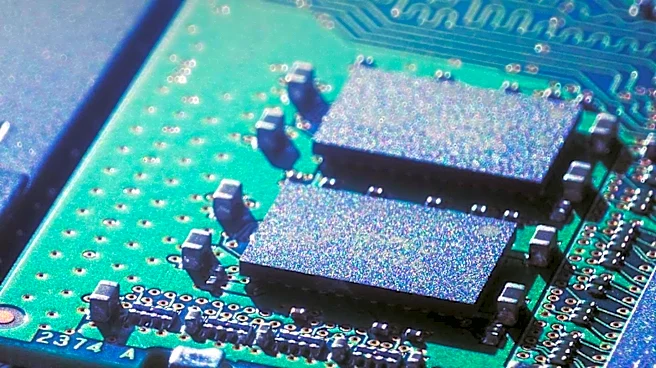
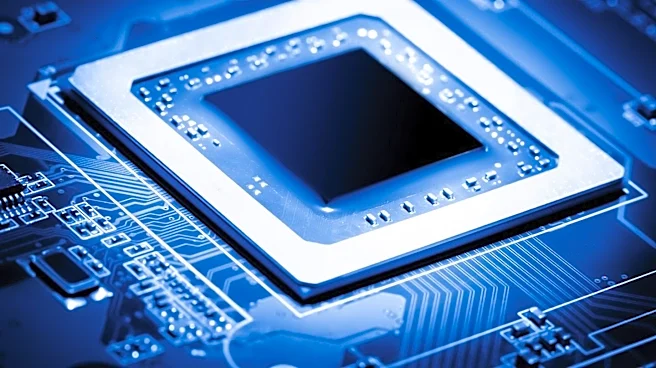
agentic artificial intelligence (AI), which is creating sustained demand across the hardware supply chain. This demand is expected to support robust earnings and an unusually prolonged profitability cycle for chipmakers. The analysis suggests that the memory trade, which involves the buying and selling of memory chips, will remain resilient due to these factors.
Why It's Important?
The insights from Goldman Sachs are significant for investors and stakeholders in the technology and semiconductor industries. The memory trade is a critical component of the tech sector, and its resilience could have positive implications for companies involved in the production and distribution of memory chips. As AI continues to drive demand for advanced computing capabilities, companies that are well-positioned in the memory market may experience sustained growth. This could also influence investment strategies, as investors may seek opportunities in companies that are likely to benefit from these trends.
What's Next?
As the demand for AI-driven technologies continues to grow, companies in the memory trade may need to adapt to evolving market conditions. This could involve investing in new technologies or expanding production capabilities to meet increasing demand. Additionally, stakeholders will likely monitor regulatory developments and market trends that could impact the memory trade. Investors and companies may also explore strategic partnerships or acquisitions to strengthen their positions in the market.