

What's Happening?
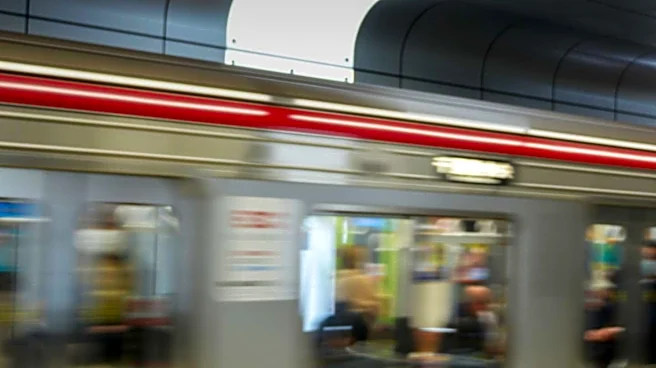
The Ginza Line, Tokyo's oldest subway route, provides a unique perspective on the city's evolving landscape, from its historical entertainment districts to modern luxury enclaves. Opened in 1927, the line initially connected Ueno and Asakusa, quickly
becoming an essential transport artery. Along its route, the Ginza Line showcases a chronological progression of how Tokyoites have spent their free time. Starting in Asakusa, it passes through areas that were once centers for theater and early cinema. In Ginza, it traverses a district that has continuously reinvented itself, from a showcase of Western modernity to a post-war consumer paradise and a luxury hub. Further along, in Shibuya, the line reflects the fragmentation of leisure into youth culture and fashion trends. Beyond its role in leisure, the Ginza Line also reveals hidden historical gems, such as the area between Tawaramachi and Inarichō stations, which is rich in temples, shrines, and traditional crafts, including Tokyo's oldest Inari shrine, Shitaya Shrine, founded in 730 CE. The line also highlights the subtle irregularities in Tokyo's urban planning, where streets often follow older samurai estate boundaries rather than a modern grid.
Why It's Important?
The Ginza Line's journey through Tokyo offers a compelling case study in urban development and the preservation of cultural heritage amidst rapid modernization. For urban planners and historians, it illustrates how infrastructure, even something as utilitarian as a subway line, can inadvertently map the social and economic evolution of a city. The line's path reveals the dynamic interplay between historical continuity and contemporary change, showcasing how pockets of old Tokyo persist alongside towering skyscrapers and modern developments. This blend of old and new provides valuable insights into how cities can maintain their unique character while embracing progress. Economically, the areas along the Ginza Line represent diverse commercial activities, from traditional craft shops catering to local religious practices to high-end luxury retail in Ginza and youth-oriented fashion in Shibuya. This economic diversity underscores the multifaceted nature of Tokyo's urban economy and its ability to cater to a wide range of consumer preferences and cultural needs. The line also serves as a reminder of the importance of public transportation in shaping urban life and accessibility.
What's Next?
As Tokyo continues its urban development, the areas along the Ginza Line will likely face ongoing pressures of modernization and preservation. Future developments may focus on integrating historical sites more seamlessly with contemporary urban structures, potentially through initiatives that highlight cultural tourism or adaptive reuse of older buildings. There could be increased efforts to protect and promote the 'shitamachi' life and historical architecture found in neighborhoods like Moto-Asakusa and Higashi-Ueno, which offer a glimpse into pre-war Tokyo. The evolution of leisure and consumer trends, as observed along the line, suggests that districts like Shibuya will continue to adapt to emerging youth cultures and digital influences, while luxury areas like Ginza will likely maintain their status as high-end retail destinations. The ongoing challenge will be to balance the demands of a growing metropolis with the desire to retain the unique historical and cultural fabric that the Ginza Line so vividly traces.
Beyond the Headlines
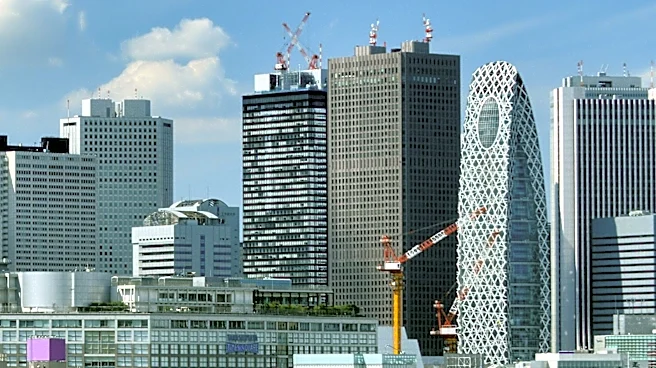
The Ginza Line's narrative extends beyond mere transportation, offering a profound reflection on the concept of 'place' in a rapidly changing urban environment. It highlights the often-unseen layers of history that underpin modern cities, where ancient shrines and traditional homes coexist with glass-and-steel towers. This juxtaposition raises questions about cultural identity and the collective memory of a city. The line's ability to reveal both the grand narratives of urban development and the subtle, everyday rhythms of life in Tokyo underscores the importance of exploring cities at a human scale. It also subtly touches upon the ethical considerations of urban renewal, particularly in areas where traditional markets are replaced by 'repackaged' versions that lack their original substance. The journey along the Ginza Line serves as a metaphor for navigating the complexities of modern life, where speed and self-direction often overshadow the slower, more contemplative experiences of the past, yet the echoes of that past remain embedded in the urban fabric.