
What's Happening?
The 2026 Formula 1 season is set to conclude with three distinct races at Las Vegas, Lusail, and Yas Marina, following the early clinching of the drivers' title by Kimi Antonelli and the constructors' trophy by Mercedes. The Las Vegas Grand Prix, a street
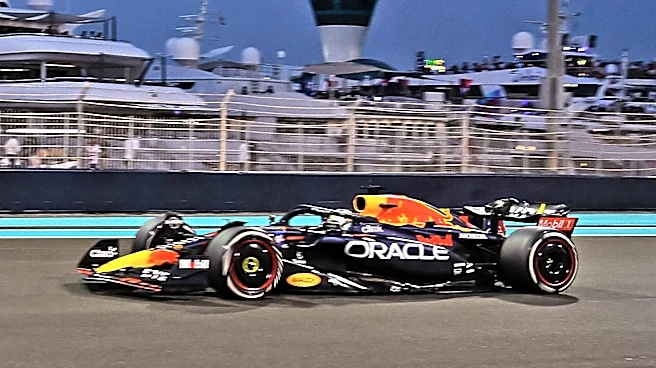
circuit, presents unique challenges due to its cold November night temperatures, which significantly impact tire performance and grip. Pirelli has historically brought its softest compounds to Vegas, with tire heating being a critical factor. The Lusail International Circuit in Qatar is known for its fast, flowing layout and high tire wear, often requiring multiple pit stops due to Pirelli's mandated lap limits. The Yas Marina Circuit in Abu Dhabi, which closes the season, features a twilight race where track temperatures fall throughout the event, demanding engineers to predict grip changes. Despite the championships being decided, these races offer varied conditions that test cars, tires, and drivers differently.
Why It's Important?
These final three races of the 2026 Formula 1 season are crucial for teams and drivers, even with the championships already decided. For teams like Ferrari, Red Bull, and McLaren, who are still vying for higher positions in the constructors' standings, these events offer valuable points and opportunities to refine their strategies and car setups under diverse conditions. The Las Vegas Grand Prix, in particular, holds significant importance for the U.S. market, showcasing Formula 1's unique blend of sport and entertainment in a major American city. The challenges posed by each track—cold temperatures in Vegas, high tire degradation in Lusail, and changing track conditions in Abu Dhabi—provide critical data for future car development and tire strategies. These races also allow drivers to prove their capabilities and secure their positions for upcoming seasons, influencing team dynamics and sponsor interest.
What's Next?
With the 2026 Formula 1 titles already secured, the focus for the remaining three races will shift to individual team and driver performances, as well as data collection for the 2027 season. Teams will use these diverse track conditions to test new components and strategies, gathering valuable information for future car development. Pirelli's tire regulations, especially for Lusail, will be closely monitored, as they can significantly impact race strategy. The Las Vegas Grand Prix will continue to be a spectacle, drawing considerable attention from the U.S. audience. The outcomes of these races, while not affecting the main championships, will influence team standings, driver reputations, and potentially the allocation of resources for the next season.
Beyond the Headlines
The varied nature of the final three circuits highlights the technical and strategic depth of Formula 1. The Las Vegas Grand Prix's cold conditions underscore the extreme engineering challenges in motorsport, where even ambient temperature can dictate performance. The tire wear issues at Lusail emphasize the critical role of tire management and the ongoing dialogue between teams and tire suppliers like Pirelli. The twilight race in Abu Dhabi showcases the adaptability required from engineers to predict and react to dynamic environmental changes. Beyond the immediate competition, these races serve as a proving ground for innovation, pushing the boundaries of automotive technology and driver skill. The U.S. market's engagement with the Las Vegas race also reflects the sport's expanding global appeal and its efforts to penetrate new demographics.